Amid Satluj row, focus on strength of judiciary and role Justice Kuldip Singh played
Source Entity
Divya Goyal
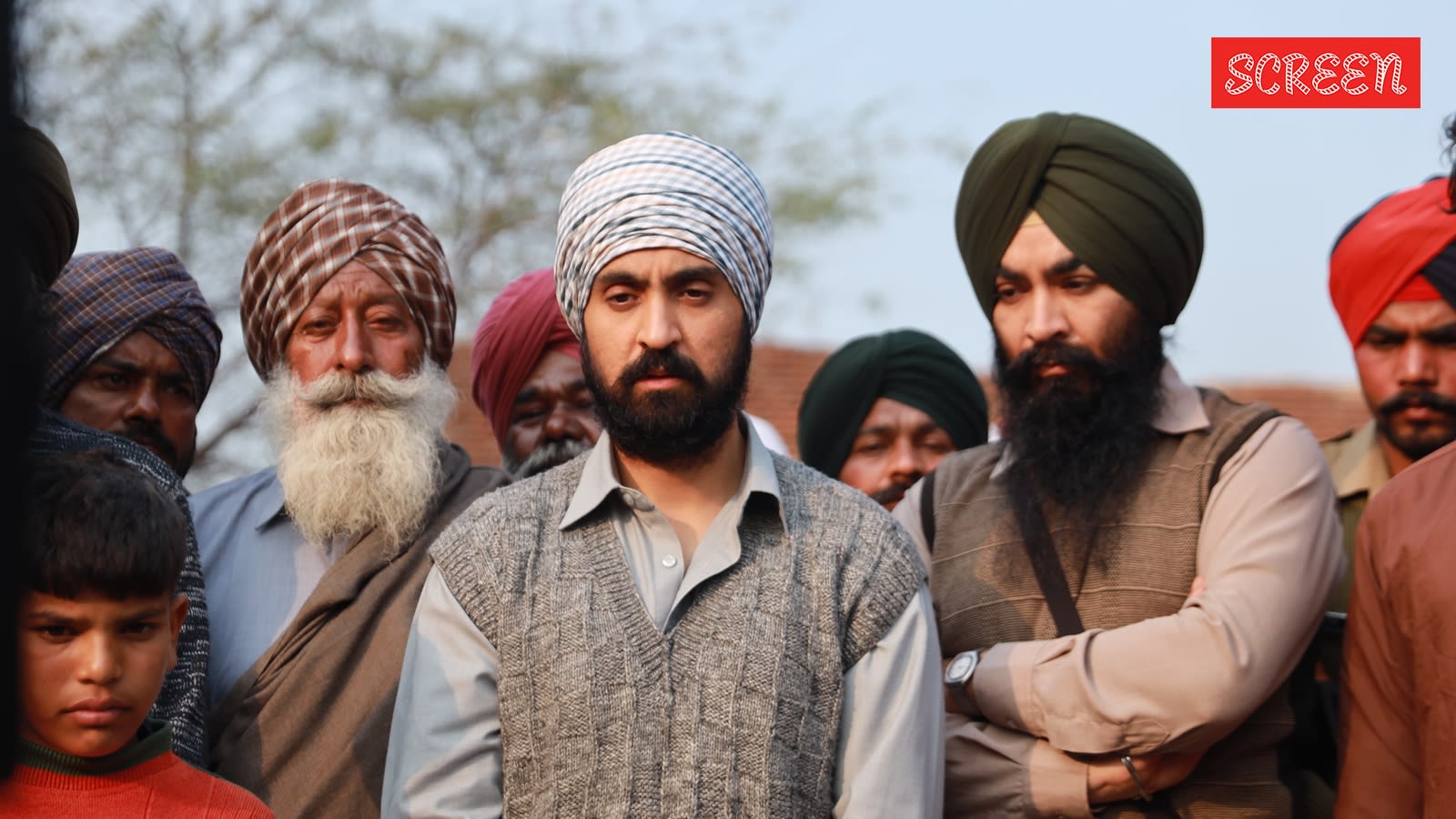
The controversy surrounding the ban of the film 'Satluj', a biopic of human rights activist Jaswant Singh Khalra, has sparked a critical discussion on the strength of the judiciary and the specific role played by Justice Kuldip Singh in balancing state security with freedom of expression.
The Intersection of Art, Law, and Memory: Analyzing the 'Satluj' Controversy
The ongoing row surrounding the ban on the film 'Satluj' serves as a poignant reminder of the enduring tension between state-mandated censorship and the right to artistic expression. The film, which chronicles the life of human rights activist Jaswant Singh Khalra, touches upon one of the most sensitive periods in Punjab's history. By attempting to bring Khalra's struggle to the silver screen, the filmmakers have inadvertently reignited a debate not just about historical truth, but about the ability of the judiciary to safeguard democratic values against executive overreach.
The Legacy of Jaswant Singh Khalra
To understand the gravity of the 'Satluj' controversy, one must understand the role of Jaswant Singh Khalra. Khalra was a pivotal figure in the 1990s who courageously exposed the systemic practice of 'disappearances' and secret cremations carried out by security forces during the insurgency in Punjab. His work was not merely journalistic or activist-driven; it was a quest for closure for thousands of families. Because the film 'Satluj' seeks to depict these events, it inherently challenges official narratives, making it a target for censorship. The ban is not merely a legal hurdle but an attempt to control the historical memory of a traumatic era.
The Judicial Bulwark: Justice Kuldip Singh
At the heart of this legal battle is the role of the judiciary, specifically the contributions of Justice Kuldip Singh. In cases involving the ban of artistic works, the judiciary often acts as the final arbiter between the state's claim of maintaining 'public order' and the citizen's fundamental right to free speech. Justice Kuldip Singh's involvement underscores the importance of a courageous bench that can look beyond political pressure to apply the law impartially. The focus on his role suggests that the strength of the judiciary is the only viable check against the arbitrary use of censorship laws that are often used to suppress dissenting voices or uncomfortable truths.
Freedom of Expression vs. State Security
This event highlights a recurring pattern in Indian jurisprudence where the state invokes 'security' or 'communal harmony' to justify the suppression of content. The 'Satluj' row brings to the forefront the legal doctrine of 'reasonable restrictions.' However, the analysis of this case suggests that for a restriction to be 'reasonable,' it must be based on a real and present danger, rather than a vague apprehension of unrest. The judicial scrutiny applied in this case serves as a litmus test for whether the state can continue to use administrative bans to avoid public discourse on human rights violations.
Broader Implications for Cinema and History
Beyond the immediate legal outcome, the controversy over 'Satluj' sends a chilling message to filmmakers tackling political biopics. When films based on activists are banned, it creates a culture of self-censorship, where creators avoid 'risky' subjects to ensure commercial viability and personal safety. This leads to a sanitized version of history where the narratives of the marginalized and the persecuted are erased. The judiciary's stance in this matter will either embolden artists to pursue truth-telling or signal that certain chapters of history are permanently off-limits.
Conclusion: Toward a Transparent Future
In summary, the 'Satluj' row is more than a dispute over a movie; it is a struggle for the right to remember. The role of Justice Kuldip Singh and the wider judiciary in this matter is critical in ensuring that the rule of law prevails over political expediency. As the case progresses, it will likely set a precedent for how India handles the intersection of historical trauma and cinematic representation. The ultimate strength of a democracy is measured by its ability to withstand the discomfort of its own history, and the resolution of this row will be a telling indicator of that strength.