In a first, FIR for illegal occupation of EWS house in Ahmedabad
Source Entity
The Indian Express
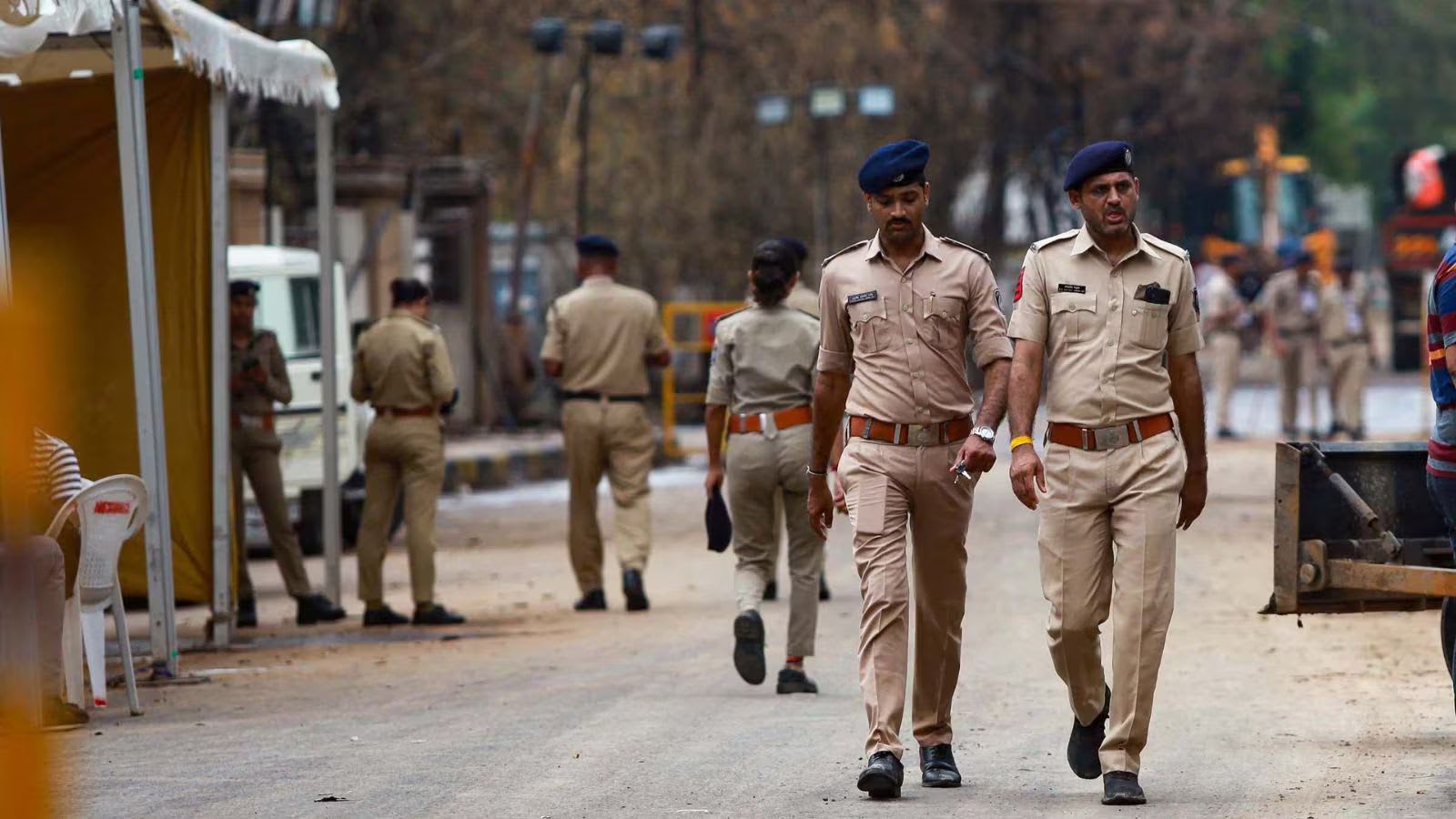
For the first time, the Ahmedabad Municipal Corporation (AMC) has filed an FIR against an individual for the illegal occupation of an Economically Weaker Section (EWS) house, signaling a strict new approach to housing fraud.
Landmark Legal Action Against EWS Housing Fraud in Ahmedabad
In a significant shift toward stricter urban governance, the Ahmedabad Municipal Corporation (AMC) has filed its first-ever First Information Report (FIR) against an individual for the illegal occupation of an Economically Weaker Section (EWS) house. This move represents a departure from previous administrative handling of housing disputes, moving the issue from the realm of municipal warnings into the sphere of criminal prosecution. The individual in question was warned under the provisions of Section 223 of the Indian Penal Code, marking a critical precedent for how the city handles the misappropriation of subsidized government resources.
The Significance of EWS Housing
To understand the gravity of this action, it is essential to recognize the role of EWS housing in urban India. These homes are specifically designed and subsidized by the government to provide dignified living conditions for the city's most marginalized populations. When these units are illegally occupied by individuals who do not meet the eligibility criteria—or by those who have acquired them through fraudulent means—it directly deprives a deserving, impoverished family of a basic human right: shelter. The AMC's decision to file an FIR underscores a realization that administrative notices are often ignored, and only criminal liability can effectively deter the illegal seizure of public assets.
Legal Implications and the Role of the IPC
By invoking the Indian Penal Code, specifically focusing on the illegality of the occupation, the AMC is sending a clear message that the fraudulent occupation of government-allotted land is not merely a civil trespass but a criminal offense. The use of Section 223 (and associated provisions) indicates that the authorities are now viewing these occupations as a breach of public trust and a theft of state-funded resources. This legal escalation is likely to streamline the eviction process, as a criminal case provides the municipal corporation with stronger leverage in court to reclaim the property quickly.
Broader Implications for Urban Governance
This incident is likely the tip of the iceberg for a larger crackdown on housing irregularities across Ahmedabad. For years, municipal bodies across India have struggled with 'benami' transactions or the illegal transfer of EWS homes to wealthier individuals through under-the-table deals. By taking this first step, the AMC is signaling to other illegal occupants that their tenure is precarious. This shift toward zero tolerance is expected to trigger a wider audit of EWS allotments across the city to ensure that the beneficiaries are indeed those for whom the schemes were intended.
Predicting Future Trends in Public Housing
Moving forward, this event suggests a trend toward the digitalization and stricter verification of housing records. To prevent such illegal occupations, the AMC and similar bodies are likely to implement more rigorous biometric verification and periodic eligibility audits. We can expect a surge in similar FIRs as the municipal corporation seeks to reclaim hundreds of illegally held units to make room for the actual urban poor. This systemic cleanup is necessary to maintain the integrity of social welfare schemes and to ensure that government subsidies reach the intended demographic.
Conclusion
The filing of this FIR is more than just a legal formality; it is a corrective measure aimed at restoring equity in the distribution of public housing. By transitioning from warnings to criminal charges, the Ahmedabad Municipal Corporation is asserting its authority over public land and protecting the rights of the economically disadvantaged. This landmark case will likely serve as a blueprint for other municipal corporations across Gujarat and India to combat the systemic misuse of EWS housing.