CM Naidu calls for reforms in business rules, faster governance through technology
Source Entity
India Latest News: Top National Headlines Today & Breaking News | The Hindu
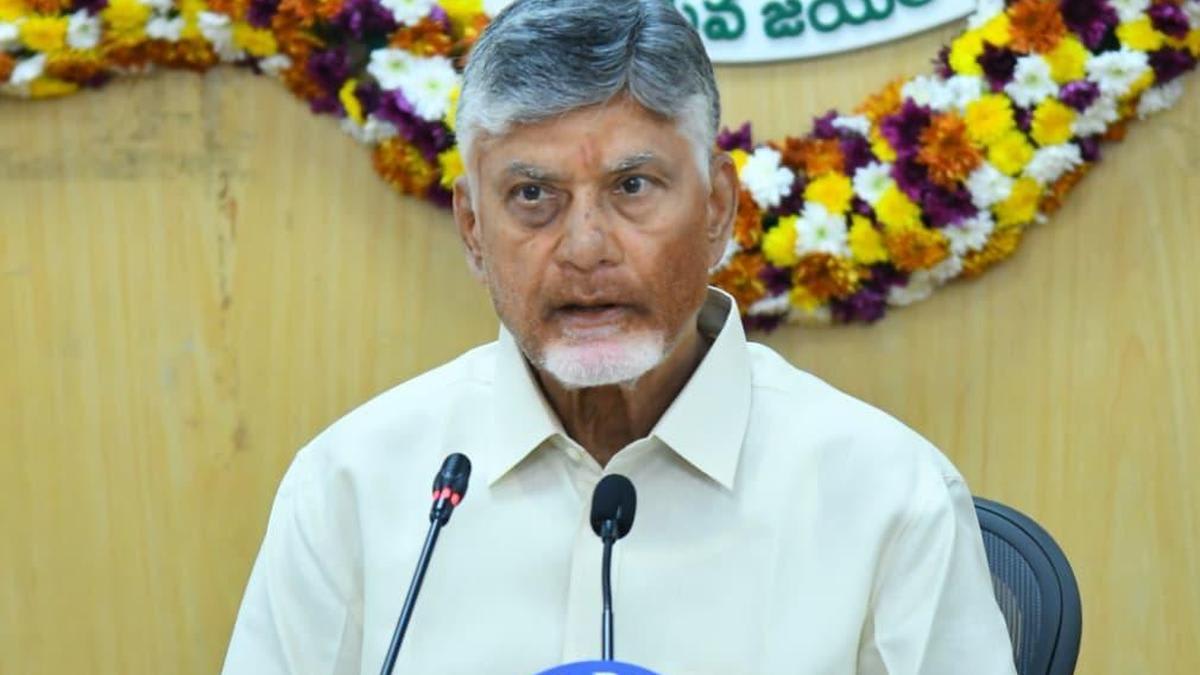
Chief Minister Naidu has directed the formation of a committee to redraft government Business Rules and integrate technology to streamline administrative processes and improve governance responsiveness.
Modernizing Administration: CM Naidu's Push for Governance Reform
Chief Minister Naidu has initiated a strategic overhaul of the state's administrative framework by calling for a comprehensive redrafting of the 'Business Rules' and the integration of advanced technology into governance. By instructing officials to constitute a specialized committee, the CM aims to dismantle bureaucratic inertia and replace outdated procedural bottlenecks with a more agile, responsive, and transparent system. This move signifies a shift toward a 'performance-driven' administration where efficiency is prioritized over rigid adherence to legacy protocols.
Understanding the Significance of Business Rules
In the context of government administration, 'Business Rules' refer to the formal set of procedures, hierarchies, and protocols that dictate how files move through departments, who holds the authority to approve specific actions, and the sequence of decision-making. Over decades, these rules often become bloated with redundant layers of approval, leading to the phenomenon known as 'red tape.' By redrafting these rules, the government intends to flatten the administrative hierarchy and simplify the workflow. This is not merely a clerical change but a systemic effort to reduce the time between a policy decision and its actual implementation on the ground.
The Role of Technology in Accelerating Governance
Central to this reform is the mandate for 'faster governance through technology.' The transition from manual file-tracking to digital governance (e-governance) allows for real-time monitoring of pending tasks and accountability for delays. By leveraging technology, the administration can implement automated triggers, digital signatures, and centralized dashboards that provide the leadership with a bird's-eye view of departmental progress. This technological pivot is designed to eliminate the opacity of traditional bureaucracy, ensuring that citizens and businesses receive services and approvals without unnecessary delays.
Economic Implications and Ease of Doing Business
From an economic perspective, these reforms are a direct catalyst for improving the 'Ease of Doing Business' within the state. Investors and entrepreneurs are often deterred by unpredictable administrative timelines and complex regulatory hurdles. By streamlining business rules and digitizing the approval process, the government is signaling to the global and domestic markets that the state is open for business. A more responsive government reduces the cost of doing business and encourages capital infusion, which is critical for long-term industrial growth and job creation.
Historical Context and the 'CEO-Style' Governance
This directive aligns with CM Naidu's historical reputation for applying corporate management principles to public administration. Throughout his career, he has been a proponent of treating the state as a service provider and the citizen as a customer. His previous initiatives in integrating IT into governance—which helped transform regional hubs into global tech centers—provide the blueprint for this current endeavor. This current push is an evolution of that philosophy, adapting it to the modern era of AI and cloud computing to ensure the state remains competitive in a digital economy.
Future Trends and Expected Outcomes
Looking forward, the successful implementation of these reforms is likely to lead to a more meritocratic and accountable civil service. As technology tracks performance metrics, officials will be judged on their efficiency and responsiveness rather than their seniority alone. We can expect a trend toward 'Single Window Systems' becoming the norm for all government interactions, not just industrial permits. Ultimately, this shift will likely result in a leaner government apparatus that can pivot quickly to meet the changing needs of the populace, setting a benchmark for other regional administrations to follow.
Summary
CM Naidu's call to redraft Business Rules and embrace technology is a calculated move to modernize the state's machinery. By attacking the root causes of bureaucratic delay and leveraging digital tools, the administration seeks to create a governance model that is efficient, transparent, and investor-friendly, ensuring that the state's administrative capacity keeps pace with its economic ambitions.
Verification Required?