China posts slowest GDP growth since 2022 at 4.3%, missing expectations
Source Entity
US Top News and Analysis
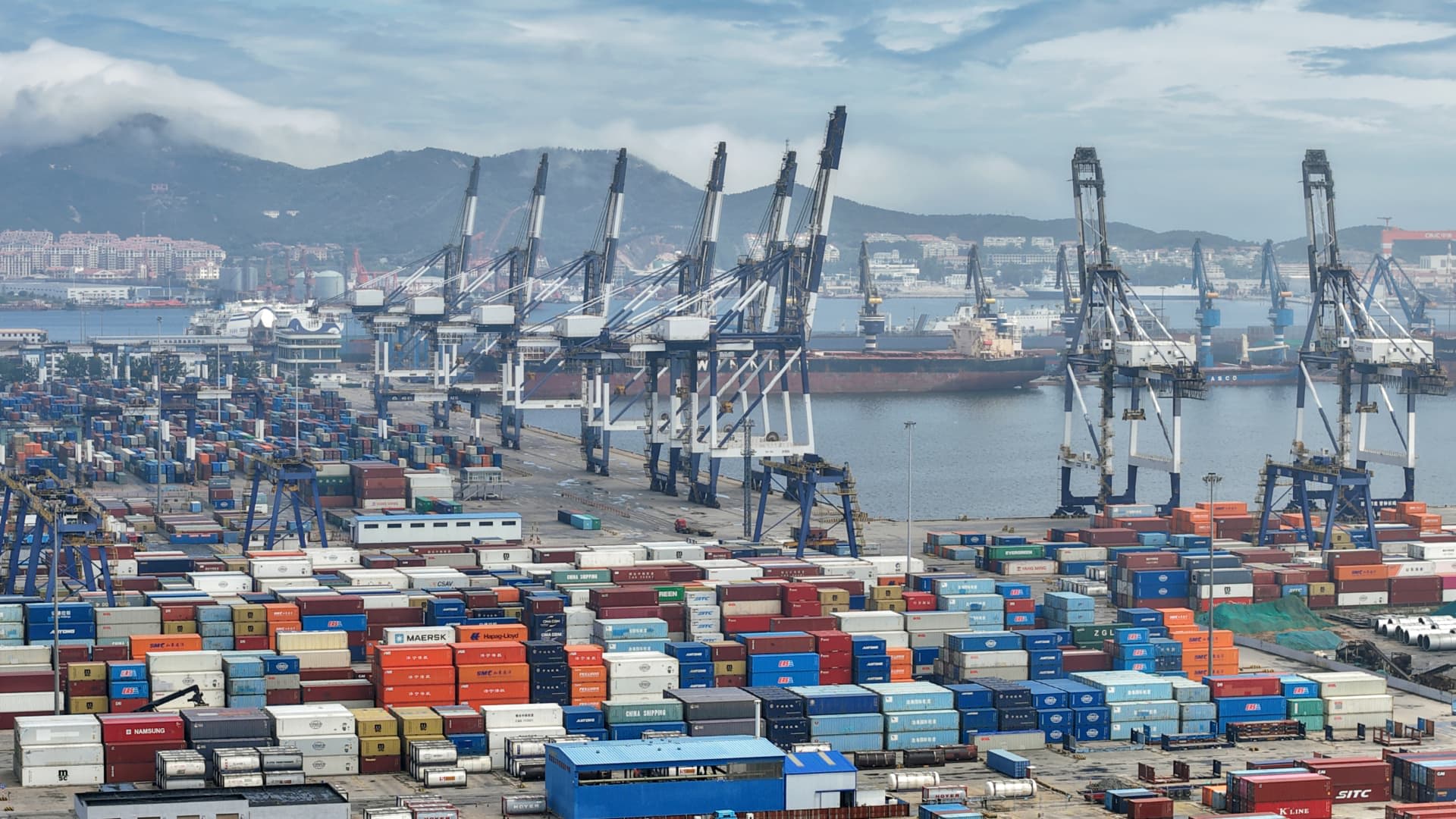
China's second-quarter GDP growth slowed to 4.3%, marking its lowest rate since 2022 and falling below the government's annual target range of 4.5% to 5%.
China's Economic Cooling: Analyzing the Q2 GDP Miss
China has reported a second-quarter GDP growth rate of 4.3%, a figure that represents the slowest expansion the country has seen since 2022. This data point is particularly concerning for policymakers in Beijing, as it falls below the official full-year growth target range of 4.5% to 5%. The fact that this target is already considered the least ambitious in decades underscores a fundamental shift in the Chinese economic landscape, moving away from the era of double-digit growth toward a more tempered "new normal."
The Struggle to Meet Ambitious Targets
The miss in the second quarter highlights a growing gap between the government's aspirations and the reality of the domestic economy. By setting a target of 4.5% to 5%, Beijing attempted to signal stability and manageable growth. However, hitting 4.3% suggests that the headwinds facing the economy are more stubborn than initially anticipated. This shortfall indicates that the mechanisms typically used to stimulate growth—such as infrastructure spending and credit expansion—may be losing their efficacy in the current economic climate.
Structural Headwinds and Market Sentiment
To understand why growth has decelerated to this level, one must look at the structural challenges currently plaguing the Chinese economy. The prolonged crisis in the real estate sector, which has historically been a primary driver of GDP, continues to weigh heavily on wealth and investment. When property values stagnate or decline, consumer confidence drops, leading to a cycle of reduced spending. This internal weakness is compounded by external pressures, including trade tensions and a global shift toward diversifying supply chains away from China, which further dampens industrial output.
Global Economic Implications
Because China is the world's second-largest economy and a central hub for global manufacturing, a growth rate of 4.3% has ripples far beyond its borders. A slowdown in Chinese demand often leads to decreased prices for global commodities, such as iron ore and copper, affecting exporting nations. Furthermore, if China fails to meet its growth targets, it may signal a broader trend of decelerating global growth, forcing international investors to recalibrate their expectations for emerging markets and shift capital toward more stable or faster-growing regions.
Potential Policy Responses and Future Trends
Moving forward, the Chinese government is likely to face immense pressure to implement more aggressive stimulus measures to bring the annual average back within the 4.5% to 5% range. This could involve direct consumer subsidies to boost domestic demand or further easing of monetary policy to lower borrowing costs for enterprises. However, the challenge lies in balancing short-term growth targets with the long-term goal of reducing debt levels and transitioning toward a high-tech, sustainable economy. The coming quarters will be critical in determining whether China can pivot its growth model successfully or if it will face a period of prolonged stagnation.
Conclusion
In summary, the 4.3% GDP growth for the second quarter is a stark reminder of the complexities facing the Chinese economy. Missing a target that was already historically low suggests that structural issues are outweighing temporary fluctuations. While Beijing remains committed to its growth goals, the path to achieving them requires more than just traditional stimulus; it demands a fundamental restructuring of how the economy generates value in an increasingly volatile global environment.