ECI extends SIR schedule in Haryana, Andhra Pradesh
Source Entity
Latest News: Today's Latest News Headlines from India & World | Hindustan Times | Hindustan Times
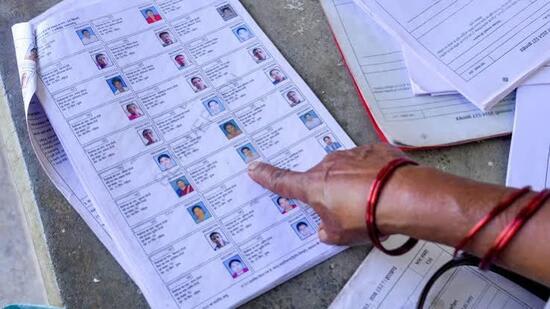
The Election Commission of India (ECI) has extended the Special Summary Revision (SIR) schedule for electoral rolls in Haryana and Andhra Pradesh following requests from the respective Chief Electoral Officers, designating July 1, 2026, as the qualifying date.
ECI Adjusts Electoral Roll Revision Timeline for Haryana and Andhra Pradesh
In a move to ensure the integrity and comprehensiveness of the democratic process, the Election Commission of India (ECI) has officially extended the schedule for the Special Summary Revision (SIR) in the states of Haryana and Andhra Pradesh. This administrative adjustment comes after the poll panel accepted formal requests from the Chief Electoral Officers (CEOs) of both states. The core of this revision is the establishment of July 1, 2026, as the qualifying date, which determines the eligibility of citizens to be included in the electoral rolls based on their age and residency status.
Understanding the Special Summary Revision (SIR)
The Special Summary Revision is a critical periodic exercise conducted by the ECI to update the voter lists. This process involves the deletion of deceased or shifted voters and the addition of new eligible voters who have turned 18 or moved into a constituency. By extending the schedule, the ECI is providing the state machinery more time to conduct field verifications and process applications. The "qualifying date" is a pivotal legal marker; in this instance, setting it for July 1, 2026, allows the commission to capture a broader demographic of newly eligible voters, ensuring that the transition into adulthood is seamlessly reflected in the voting registers.
Administrative Challenges and State-Level Requests
The decision to grant extensions to Haryana and Andhra Pradesh highlights the logistical complexities involved in managing voter rolls in states with high population densities and diverse geographies. The Chief Electoral Officers likely requested these revisions to mitigate the risk of clerical errors or omissions that occur under tight deadlines. In states like Andhra Pradesh, where migration patterns can be fluid, and Haryana, which sees significant urban-rural shifts, the need for a meticulous verification process is paramount. This extension suggests a prioritization of accuracy over speed, reflecting a commitment to avoid potential legal challenges regarding voter disenfranchisement.
Broader Implications for Democratic Inclusivity
From a systemic perspective, the revision of the SIR schedule is not merely a bureaucratic delay but a safeguard for democratic inclusivity. When electoral rolls are rushed, there is a heightened risk of eligible voters being left off the list, which can lead to disputes on polling day and undermine the legitimacy of election results. By allowing more time for the revision exercise, the ECI is ensuring that the "Right to Vote" is protected. This meticulous approach helps in reducing the gap between the actual eligible population and the registered electorate, thereby strengthening the representative nature of the government.
Historical Context of ECI Procedural Flexibility
Historically, the Election Commission of India has maintained a balance between strict adherence to timelines and the practical realities of ground-level administration. The ECI has often modified schedules in response to natural disasters, pandemics, or administrative hurdles to ensure no citizen is deprived of their franchise. This current extension in Haryana and Andhra Pradesh follows this precedent of procedural flexibility. It demonstrates the ECI's role as an adaptive body that listens to the operational feedback of its state-level officers to maintain the gold standard of electoral management.
Future Trends in Voter Roll Management
Looking forward, this event underscores the ongoing transition toward more digitized and dynamic voter registration systems. While manual revisions and SIR schedules remain necessary, there is a growing trend toward "continuous updating" of rolls. The reliance on qualifying dates like July 1, 2026, serves as a bridge to a future where AI and real-time data integration from civil registries might eliminate the need for periodic extensions. However, until such technology is fully integrated across all states, these administrative windows remain the primary tool for ensuring electoral purity.
Conclusion
In summary, the ECI's decision to extend the SIR schedule in Haryana and Andhra Pradesh is a strategic move to enhance the accuracy of the electoral rolls. By adjusting the timeline and setting a clear qualifying date for 2026, the Commission is prioritizing the inclusivity and legality of the voting process. This action reinforces the ECI's dedication to a transparent and error-free electoral system, ensuring that every eligible citizen has the opportunity to participate in the democratic exercise.
Verification Required?