India to account for each seafarer irrespective of vessel flag: Govt's big announcement after sailor killed in Hormuz
Source Entity
Latest News: Today's Latest News Headlines from India & World | Hindustan Times | Hindustan Times
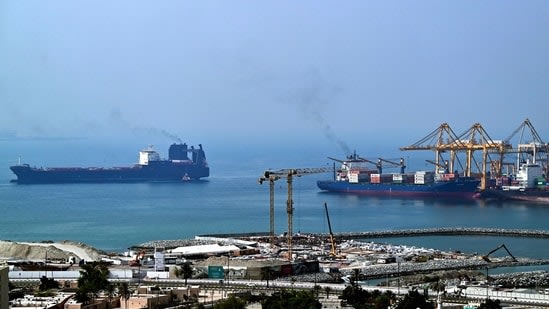
The Indian government has announced a significant policy shift to track and account for all Indian seafarers regardless of the vessel's registration flag, following the death of a sailor in the volatile Strait of Hormuz.
Strategic Pivot in Maritime Protection: India's New Mandate for Seafarers
In a decisive move to safeguard its citizens in high-risk waters, the Indian government has announced that it will now account for every Indian seafarer, irrespective of the vessel's flag. This policy shift comes as a direct response to the tragic killing of an Indian sailor in the Strait of Hormuz, a region currently plagued by escalating maritime security crises. By decoupling the responsibility of crew protection from the ship's registration, India is signaling a more proactive and assertive approach to the safety of its global maritime workforce.
Overcoming the 'Flag of Convenience' Hurdle
To understand the significance of this announcement, one must consider the prevalence of 'Flags of Convenience' (FoC) in the global shipping industry. Many merchant vessels are registered in countries like Panama, Liberia, or the Marshall Islands to reduce operational costs and avoid stringent regulations, regardless of where the ship's owner is based or where the crew originates. Historically, the 'flag state' held primary jurisdiction over the vessel and its crew. In times of crisis, this often led to diplomatic delays and bureaucratic hurdles, as the home country of the sailor had to coordinate through a third-party flag state to secure help or information. India's new directive effectively bypasses these complexities, ensuring that the Indian state maintains a direct line of accountability for its nationals, regardless of the ship's legal registration.
The Volatility of the Strait of Hormuz
The trigger for this policy—the killing of a sailor in the Strait of Hormuz—highlights the extreme risks associated with this critical maritime chokepoint. As the primary artery for the world's oil shipments, the Strait is frequently used as a theater for geopolitical brinkmanship between regional powers and global superpowers. Merchant vessels often find themselves caught in the crossfire of proxy conflicts, facing threats ranging from seizure and harassment to missile attacks. The escalating security crisis in West Asia has transformed commercial shipping lanes into high-risk zones, making it imperative for crew-exporting nations like India to have real-time visibility and a direct mechanism for intervention.
India's Role as a Global Crew Hub
India is one of the largest suppliers of qualified seafarers to the global shipping industry. The safety of these sailors is not merely a humanitarian concern but a vital economic and strategic interest. Thousands of Indian nationals man the ships that transport the energy and goods essential for India's own economic growth. Any perceived negligence in protecting these citizens could lead to a crisis of confidence within the domestic maritime labor market. By implementing this tracking mandate, India is reinforcing its commitment to its diaspora and ensuring that the economic contributions of its sailors are matched by state-sponsored security guarantees.
Operational and Diplomatic Implications
Moving forward, this policy will likely necessitate a tighter integration between the Ministry of Shipping, the Directorate General of Shipping (DG Shipping), and the Indian Navy. It implies the creation of a more robust, real-time monitoring system to track the movement of Indian sailors across various fleets globally. Diplomatically, this may lead to increased friction or, conversely, new cooperation agreements with flag-state nations. India is essentially asserting a 'right of protection' that transcends traditional maritime law, prioritizing the nationality of the individual over the registration of the asset.
Conclusion: A New Era of Maritime Sovereignty
This announcement marks a transition toward a more sovereign approach to maritime security. By refusing to let the 'flag of convenience' system obscure its responsibility toward its citizens, India is setting a precedent that other major crew-exporting nations, such as the Philippines, may eventually follow. While the move is born out of tragedy in the Strait of Hormuz, it establishes a permanent safety net for Indian seafarers, ensuring that no sailor is left unaccounted for in the face of global geopolitical instability.
Verification Required?