Why Europe is suddenly betting big on drones
Source Entity
US Top News and Analysis
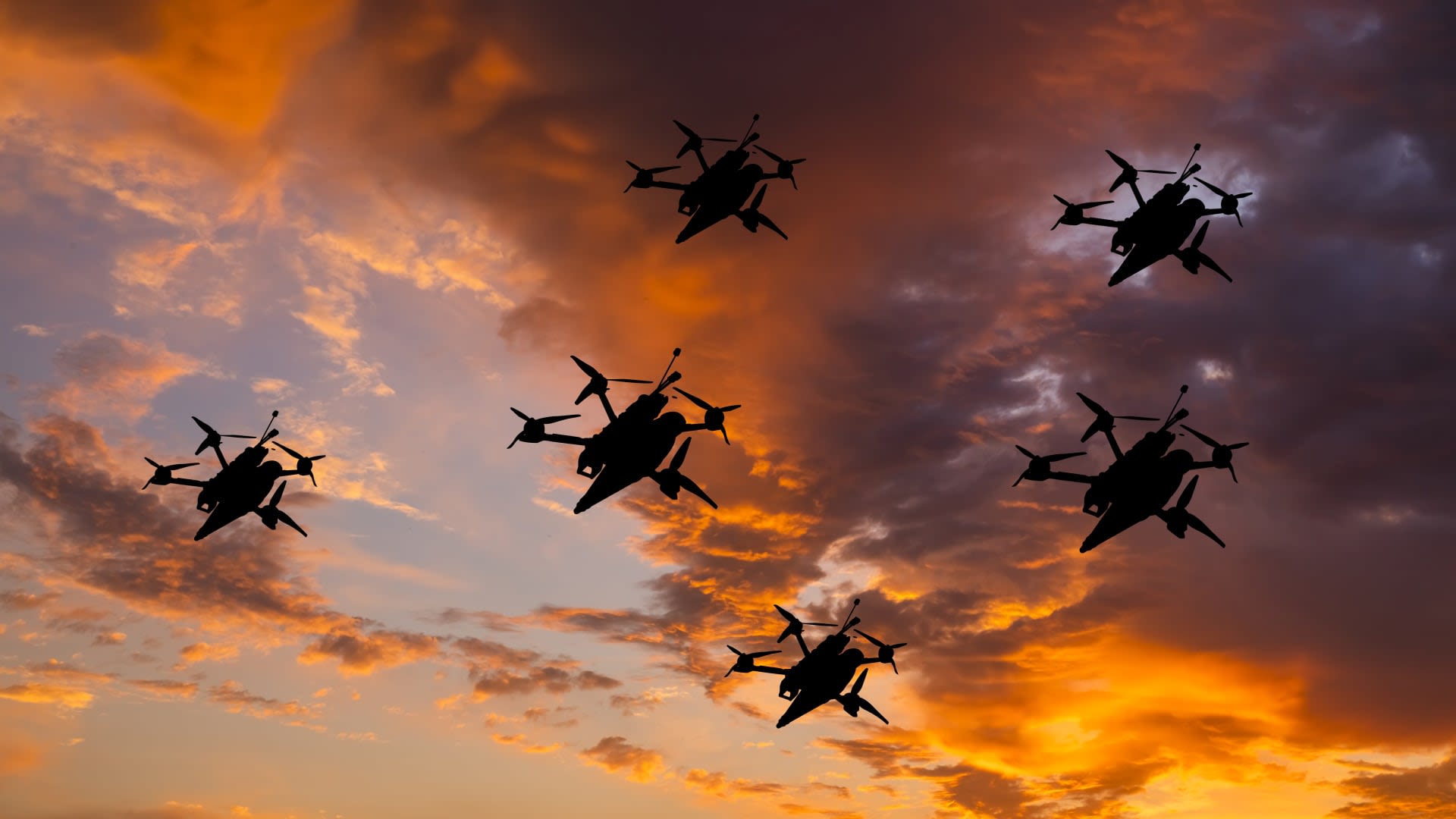
Europe is strategically shifting its defense priorities to integrate drones and autonomous systems as central pillars of modern warfare, moving away from their previous status as niche tactical tools.
The Strategic Pivot: Europe's Integration of Autonomous Warfare
Europe is currently undergoing a fundamental transformation in its defense posture, transitioning from a traditional reliance on manned platforms to a heavy investment in unmanned aerial vehicles (UAVs) and autonomous systems. This shift is not merely a technological upgrade but a doctrinal evolution. For decades, drones were viewed as specialized assets reserved for intelligence, surveillance, and reconnaissance (ISR) or high-value target extraction by elite special forces. However, recent geopolitical instabilities have demonstrated that these systems are no longer peripheral; they are now central to the survival and success of modern military operations.
The Catalyst of Modern Conflict
The urgency behind Europe's "big bet" on drones is largely driven by the empirical evidence provided by contemporary high-intensity conflicts. The battlefield has evolved into a transparent environment where traditional camouflage and concealment are rendered obsolete by persistent drone surveillance. The proliferation of low-cost First-Person View (FPV) drones and loitering munitions has democratized air power, allowing smaller forces to disable multi-million dollar armored vehicles with minimal investment. This asymmetry has forced European defense planners to realize that any military force lacking a robust, scalable drone ecosystem is effectively blind and vulnerable.
From Niche Tools to Core Infrastructure
As the provided context suggests, autonomous systems are moving from "niche battlefield tools to a core part of modern warfare." This transition manifests in the integration of drones across all echelons of command. No longer confined to the strategic level, drones are being deployed at the platoon and squad levels to provide real-time situational awareness. This "bottom-up" integration changes how infantry maneuvers and how artillery is coordinated, turning the drone into a standard-issue piece of equipment rather than a rare asset requested from higher command. The shift implies a broader systemic change in procurement, where agility and software-defined capabilities are prioritized over the long development cycles of traditional heavy hardware.
The Rise of Autonomous Systems and AI
Beyond simple remote-controlled aircraft, Europe is investing heavily in true autonomy. The next frontier is the deployment of "drone swarms," where multiple autonomous units coordinate their actions via AI without requiring individual human pilots for every craft. This capability aims to overwhelm enemy air defenses through saturation, making it impossible for traditional interceptors to track every target. The integration of AI allows these systems to identify targets and navigate complex environments independently, significantly reducing the cognitive load on human operators and increasing the speed of the OODA (Observe-Orient-Decide-Act) loop.
Industrial Sovereignty and Economic Implications
This strategic shift also has profound implications for Europe's industrial base. For years, Europe relied heavily on non-EU imports for advanced UAV technology. The current surge in investment is a drive toward "strategic autonomy," aiming to build a domestic ecosystem of drone manufacturers and software developers. By fostering a competitive internal market for autonomous systems, Europe seeks to insulate itself from supply chain disruptions and ensure that the algorithms governing its autonomous weapons are developed according to European ethical and legal standards.
Conclusion: The Future of the European Battlespace
In summary, Europe's aggressive pivot toward drones and autonomous systems is a pragmatic response to a new era of attrition-based, transparent warfare. By moving these technologies from the periphery to the core of their military doctrine, European nations are preparing for a future where the air-land interface is dominated by unmanned systems. While the transition presents significant ethical and regulatory challenges regarding autonomous lethality, the operational necessity is clear: in the modern landscape of warfare, the ability to project power through autonomous systems is no longer an advantage—it is a requirement for survival.