Briton's Iran jail sentence extended by two years, family says
Source Entity
BBC News
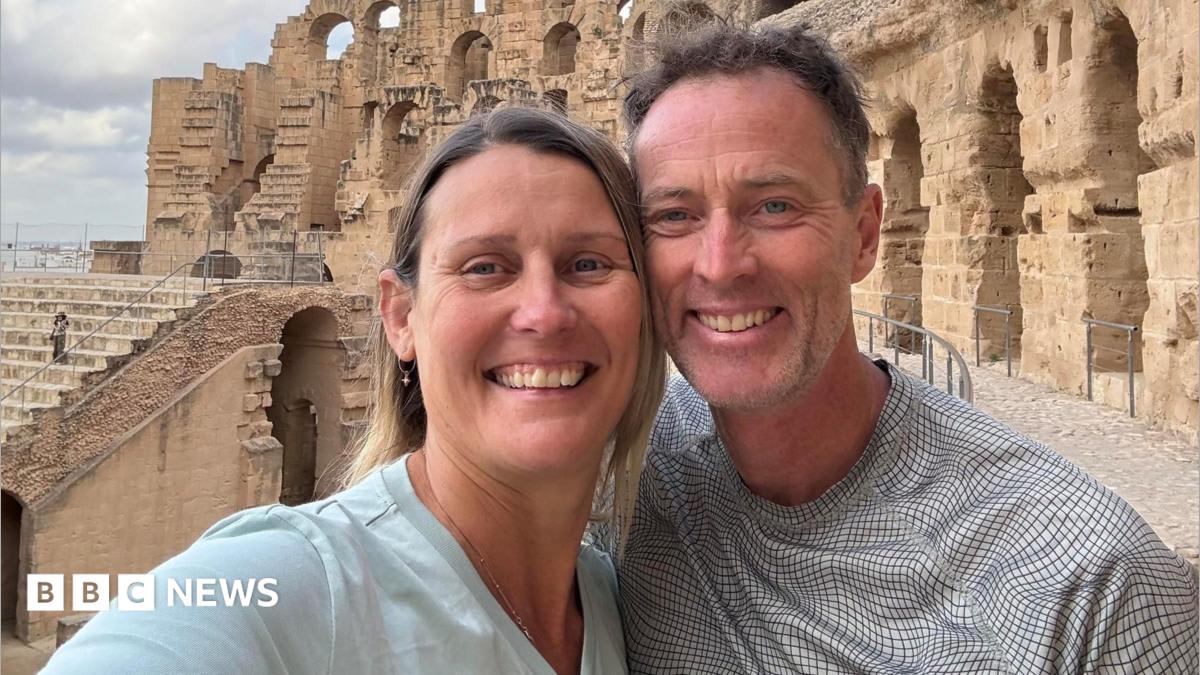
Craig Foreman, a British national arrested on spying charges in Iran during a motorcycle trip with his partner Lindsay, has had his prison sentence extended by an additional two years.
The Prolonged Detention of the Foremans: A Deep Dive into Iran's Legal Maze
The news that Craig Foreman's prison sentence in Iran has been extended by an additional two years marks a devastating blow to his family and legal team. Arrested alongside his partner, Lindsay, during what was intended to be an adventurous motorcycle journey, the couple found themselves ensnared in the complex and often opaque Iranian judicial system. The spying charges leveled against them are characteristic of cases involving Western nationals, where vague accusations of espionage are frequently utilized to justify long-term detention without transparent trials or adequate due process.
The Mechanics of Espionage Charges in Iran
In the Iranian legal framework, charges of espionage are often handled by the Revolutionary Courts, which are known for their lack of transparency and restricted access to independent legal counsel. For the Foremans, a motorcycle trip—an activity that inherently involves crossing borders, visiting diverse sites, and interacting with locals—can be easily misconstrued or intentionally framed as "intelligence gathering" by state security apparatuses. The extension of Craig's sentence suggests that the Iranian authorities are not yet ready to concede his release, potentially utilizing the legal system to maintain leverage over the United Kingdom.
The Broader Context of Hostage Diplomacy
This case fits into a wider, troubling pattern often described by geopolitical analysts as "hostage diplomacy." Iran has a documented history of arresting dual nationals or foreign citizens to use them as bargaining chips in high-stakes negotiations with Western powers. Whether the objective is the release of frozen assets, the easing of economic sanctions, or the release of Iranian agents held in foreign jurisdictions, the human cost is immense. The Foremans, who appear to be private citizens without political affiliations, have effectively become collateral damage in a geopolitical game of chess.
Impact on Family and International Advocacy
The extension of a sentence is not merely a legal update; it is often employed as a psychological weapon to wear down the resolve of both the prisoner and their support network. For the family of the Foremans, the sudden addition of two years to an already grueling sentence creates an unbearable emotional burden and prolonged uncertainty. In such scenarios, families typically rely on public awareness campaigns to pressure their home government to prioritize the release of the detainees. The role of the UK Foreign, Commonwealth and Development Office (FCDO) is critical here, as they must navigate the delicate balance between maintaining diplomatic channels and advocating for the urgent freedom of their citizens.
UK-Iran Relations and Future Outlook
The relationship between the UK and Iran has been strained for decades, characterized by mutual distrust and periodic diplomatic ruptures. The detention of the Foremans adds another layer of friction to an already volatile relationship. Looking forward, the resolution of this case likely depends less on the legal merits of the spying charges and more on the outcome of broader diplomatic negotiations. If the UK can negotiate a deal that satisfies Tehran's strategic interests, the "legal" justifications for Craig's detention may suddenly evaporate, as has been observed in previous high-profile release cases.
Summary of the Crisis
The extension of Craig Foreman's sentence is a stark reminder of the risks associated with traveling through politically volatile regions and the precarious nature of international law in authoritarian regimes. As the Foremans remain separated from their families and support systems, the international community's focus remains on the hope for a diplomatic breakthrough that can secure their return home.