Indian, missing after attack on GFS Galaxy off Oman coast, is dead: Family
Source Entity
The Indian Express
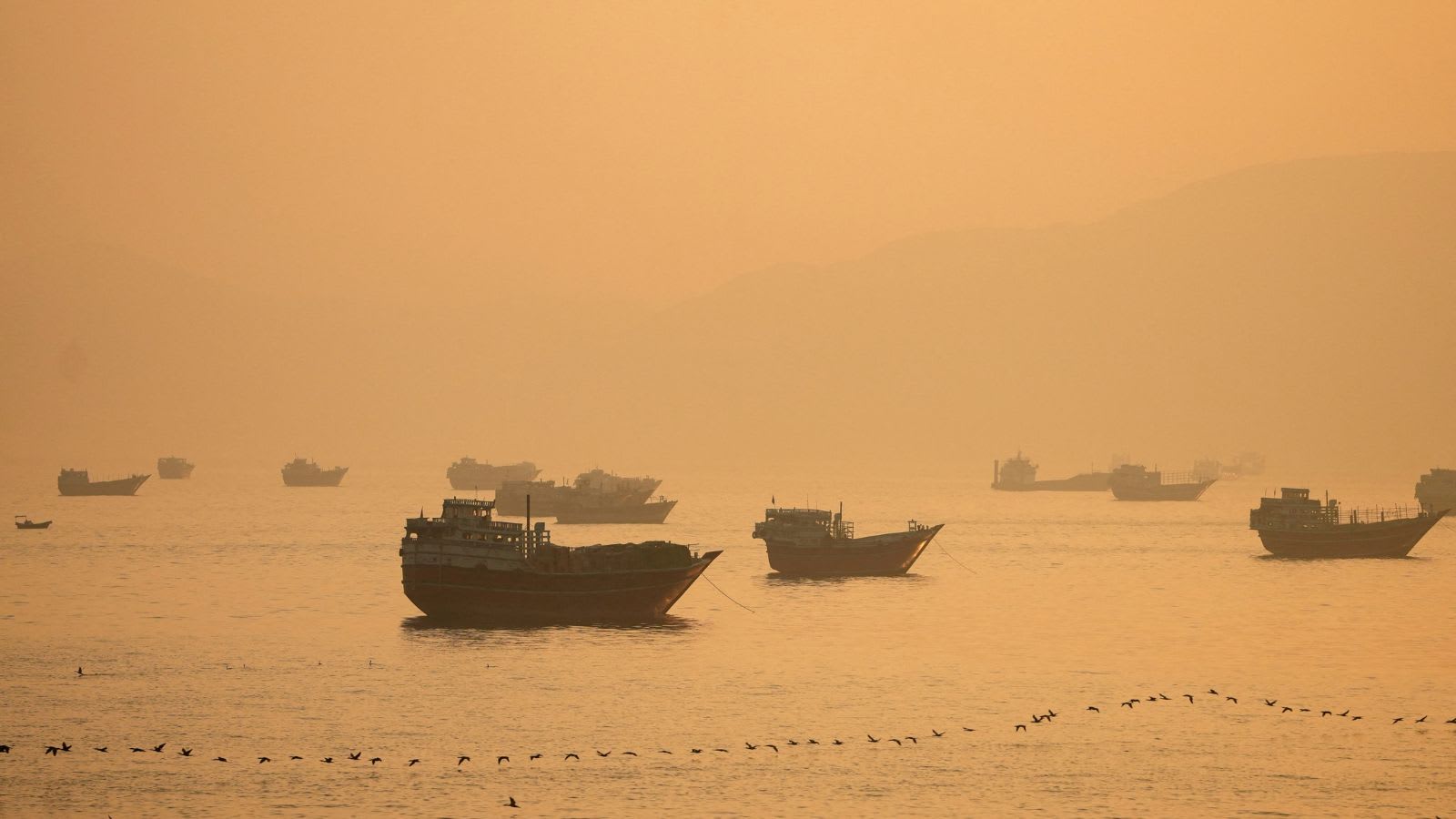
An Indian crew member of the commercial vessel GFS Galaxy, who had been reported missing following an attack off the coast of Oman, has been confirmed dead by his family.
Tragedy at Sea: The Death of an Indian Seafarer Aboard the GFS Galaxy
The maritime community is mourning the loss of an Indian national following a violent attack on the commercial vessel GFS Galaxy off the coast of Oman. After several days of uncertainty and hope, the victim's family, specifically his father-in-law, has confirmed that the crew member, who was initially reported missing on Sunday, has passed away. This incident underscores the extreme perils faced by commercial sailors operating in one of the world's most volatile maritime corridors, where geopolitical tensions frequently manifest as direct threats to civilian shipping.
The Anatomy of the Incident
The attack on the GFS Galaxy occurred in the waters off the Oman coast, a region critical for the transit of global energy and trade. The transition of the crew member's status from "missing" to "dead" highlights the chaotic nature of such maritime strikes, where communication is often severed and rescue operations are hampered by the ongoing threat of further aggression. The reliance on family members to disseminate this news suggests a lagging or fragmented official communication chain, which is common in the immediate aftermath of attacks on commercial ships in international waters.
Geopolitical Volatility in the Gulf of Oman
To understand the context of this attack, one must look at the strategic geography of the Gulf of Oman and the nearby Strait of Hormuz. This region serves as a primary chokepoint for global oil shipments, making it a focal point for regional power struggles. In recent years, the area has seen a surge in "gray zone" warfare, where non-state actors or state-sponsored proxies target commercial vessels to send political messages or exert pressure on international powers. The attack on the GFS Galaxy is not an isolated event but part of a broader pattern of instability involving Houthi rebels and other regional factions targeting shipping lanes to influence global politics.
The Vulnerability of Indian Maritime Labor
India is one of the largest providers of skilled seafarers to the global merchant navy. While this provides significant employment and remittance opportunities, it also places thousands of Indian nationals on the front lines of international conflicts. The death of the crew member aboard the GFS Galaxy brings to light the precarious nature of these contracts, where sailors often find themselves in high-risk zones with limited protection. This tragedy emphasizes the need for stronger diplomatic and security frameworks to ensure that the rights and safety of Indian seafarers are prioritized when vessels enter contested waters.
Implications for Global Trade and Maritime Security
Beyond the human cost, attacks like the one on the GFS Galaxy have systemic effects on global commerce. Such incidents lead to an immediate spike in "War Risk" insurance premiums for ship owners, which ultimately increases the cost of transported goods. Furthermore, frequent attacks force shipping companies to consider longer, more expensive routes to avoid the Oman coast and the Red Sea, contributing to global inflationary pressures. The insecurity of these lanes threatens the stability of the global supply chain, proving that a single attack on a commercial vessel has ripples that extend far beyond the immediate scene of the crime.
Future Trends and Protective Measures
Moving forward, it is likely that we will see an increase in naval escorts for commercial shipping in the Arabian Sea. The Indian Navy has already ramped up its presence in the region, deploying destroyers and frigates to safeguard Indian nationals and commercial interests. We can expect a shift toward more robust "Armed Guards on Board" (AGOB) protocols and enhanced intelligence sharing between coastal states like Oman and flag states. However, until the underlying geopolitical conflicts in the Middle East are resolved, commercial vessels like the GFS Galaxy will remain soft targets in a high-stakes political game.
Summary
The death of the Indian crew member is a sobering reminder of the human price paid for global trade in unstable regions. The attack off the Oman coast reflects a dangerous trend of targeting civilian infrastructure to achieve political ends. As the family grieves, the international community must address the systemic security gaps in the Gulf of Oman to prevent further loss of life among the brave men and women who keep the world's economy moving.