Starlink’s V5 dish is now available — here’s how it compares
Source Entity
Thomas Ricker
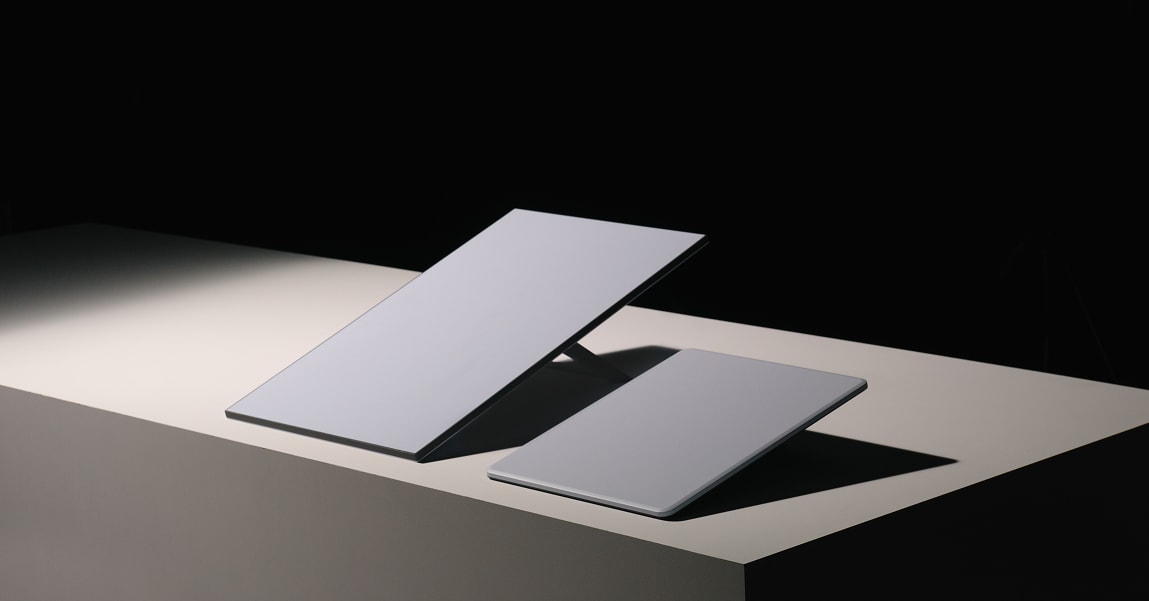
SpaceX has introduced the Starlink V5 residential dish in select regions, offering a more compact, lightweight design and improved power efficiency compared to the V4 model.
The Evolution of Satellite Hardware: Analyzing the Starlink V5 Launch
SpaceX has officially begun the rollout of its latest residential hardware, the Starlink V5 dish, marking another iterative step in the company's quest to provide high-speed, low-latency internet to the most remote corners of the globe. While the launch is currently limited to "select areas," it signals a strategic shift toward hardware optimization. By focusing on the physical footprint and energy consumption of the user terminal, SpaceX is addressing common consumer pain points associated with satellite installation and operational costs.
Hardware Miniaturization and Installation Efficiency
One of the most prominent upgrades in the V5 model is its reduced size and weight compared to the V4 dish. In the world of satellite communications, miniaturization is not merely an aesthetic choice but a functional necessity. A smaller, lighter dish reduces the "wind load" on mounting structures, making the hardware more resilient in extreme weather conditions and easier for homeowners to install without professional assistance. This trend toward compactness suggests that SpaceX is aiming to lower the barrier to entry for new users by simplifying the physical deployment process, which is critical as they scale to millions of global subscribers.
Power Efficiency and Sustainable Connectivity
Beyond the physical dimensions, the Starlink V5 boasts improved power efficiency. For residential users in urban areas, this may result in a negligible decrease in electricity bills; however, for the core demographic of Starlink—those living in off-grid or rural locations—power efficiency is paramount. Many of these users rely on solar arrays or battery backups where every watt counts. By optimizing the power draw of the V5 dish, SpaceX is making its service more viable for sustainable, remote living, thereby expanding its total addressable market to include the most energy-constrained environments on Earth.
Scaling Production for Global Demand
The current limited availability of the V5 dish is a calculated move as SpaceX "ramps up production." The logistics of manufacturing and distributing millions of high-tech phased-array antennas are immense. The transition from V4 to V5 likely involves a streamlined manufacturing process that allows SpaceX to meet surging global demand more effectively. As the V5 becomes the standard residential offering, we can expect a more aggressive rollout in emerging markets where the lower weight of the hardware could significantly reduce shipping costs and logistical hurdles.
Understanding Usage Limitations: Residential vs. Mobile
Crucially, SpaceX has clarified that the Starlink V5 is not intended for in-motion use. This distinction is vital for maintaining the integrity of their product segmentation. While the V5 is optimized for static residential installations, SpaceX maintains separate, more ruggedized hardware for its "Roam" and "Maritime" services, which are designed to handle the vibrations and movement of vehicles and ships. By explicitly stating this limitation, SpaceX prevents consumer misuse and protects the hardware from failure in environments for which it was not engineered.
Conclusion: A Refined User Experience
In summary, the Starlink V5 represents a refinement of the residential user experience rather than a complete architectural overhaul. By prioritizing a smaller form factor and better power management, SpaceX is enhancing the practicality of its service. As production scales and the V5 reaches more regions, it will likely solidify Starlink's position as the leading consumer satellite internet provider, balancing high-performance connectivity with more efficient, user-friendly hardware.