Phanindra Reddy appointed TNRERA Chairperson
Source Entity
India Latest News: Top National Headlines Today & Breaking News | The Hindu
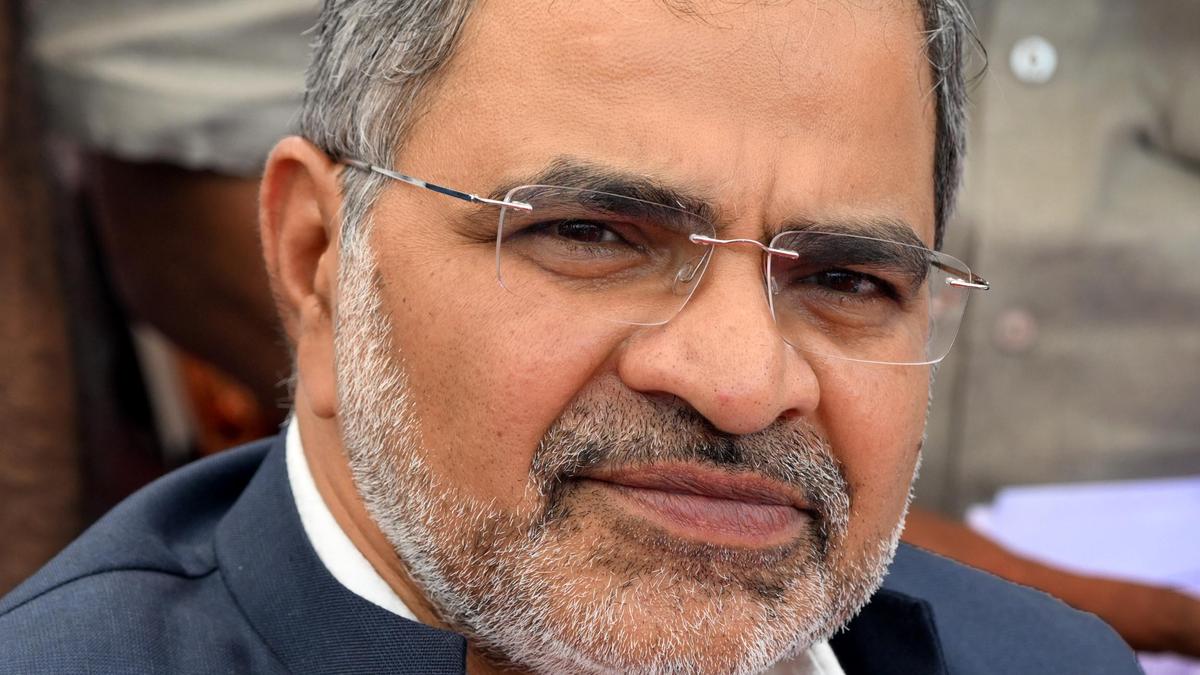
Phanindra Reddy has been appointed as the Chairperson of the Tamil Nadu Real Estate Regulatory Authority (TNRERA) following the resignation of former Chairperson Shiv Das Meena and several other retired bureaucrats.
Leadership Transition at the Tamil Nadu Real Estate Regulatory Authority
The appointment of Phanindra Reddy as the Chairperson of the Tamil Nadu Real Estate Regulatory Authority (TNRERA) marks a significant administrative shift in the state's real estate governance. This appointment comes at a critical juncture, following the resignation of retired IAS officer Shiv Das Meena, who had held the position since August 2024. The transition is not limited to the top leadership, as the reports indicate a broader exodus of retired bureaucrats who served as members of the authority. This leadership vacuum necessitated a swift appointment to ensure that the regulatory functions of the body remain uninterrupted.
The Strategic Importance of the TNRERA Chairperson
The role of the Chairperson at TNRERA is pivotal because the authority serves as the primary watchdog for the real estate sector in Tamil Nadu. Under the Real Estate (Regulation and Development) Act (RERA), the authority is tasked with ensuring transparency, protecting the interests of homebuyers, and facilitating a more efficient market. The Chairperson oversees the adjudication of disputes between developers and buyers, monitors project timelines, and ensures that funds are utilized according to legal mandates. Therefore, the appointment of Phanindra Reddy is not merely a bureaucratic formality but a move to maintain the stability of a body that directly impacts thousands of homeowners and developers across the state.
Analyzing the Backdrop of Resignations
The resignation of Shiv Das Meena, along with other retired bureaucrats, suggests a period of volatility within the authority's administrative structure. While the specific reasons for these resignations were not detailed in the immediate reports, such trends in regulatory bodies often stem from administrative friction, shifts in government priorities, or the inherent challenges of managing a high-pressure regulatory environment. The fact that multiple retired bureaucrats left simultaneously indicates a systemic transition rather than an isolated incident, making the appointment of a new leader essential to restore institutional confidence.
Implications for the Real Estate Sector
For the real estate industry in Tamil Nadu, a change in leadership at the helm of RERA can signal a shift in how regulations are enforced. Developers will be closely watching whether Phanindra Reddy brings a more stringent approach to compliance or a more facilitative one to encourage growth. Simultaneously, homebuyers—who often face delays in project completion or discrepancies in promised amenities—will look to the new Chairperson to expedite pending cases and ensure that the authority remains a potent tool for grievance redressal. The continuity of operations is key to preventing a backlog of legal disputes that could stifle investment in the state's infrastructure.
The Reliance on Bureaucratic Expertise
The pattern of appointing retired IAS officers and bureaucrats to these roles highlights the government's reliance on experienced administrators to navigate the complex intersection of law, urban planning, and finance. The technical nature of real estate regulation requires an individual who understands the intricacies of government machinery and the legal frameworks of land administration. By appointing Phanindra Reddy, the administration aims to leverage professional expertise to manage the delicate balance between promoting urban development and enforcing consumer protection laws.
Future Outlook and Expectations
Looking ahead, the success of Phanindra Reddy's tenure will likely be measured by the authority's ability to clear the backlog of complaints and the efficiency with which project registrations are handled. There is an increasing demand for the digitalization of regulatory processes to make RERA more accessible to the common citizen. If the new leadership can integrate better technology and transparency into the adjudication process, it could lead to a surge in buyer confidence and a more disciplined approach among developers in the region.
Conclusion
In summary, the appointment of Phanindra Reddy as the TNRERA Chairperson is a necessary step to stabilize the regulatory framework of Tamil Nadu's real estate market following a wave of high-level resignations. By filling this critical leadership gap, the state government ensures that the protections afforded by the RERA Act remain active. The focus now shifts to how the new Chairperson will address the systemic challenges of the sector and whether he can foster an environment of trust and accountability between the builders and the buyers.
Verification Required?