Why Taslima Nasreen's Kolkata return is a powder keg for Bengal politics
Source Entity
TIMESOFINDIA.COM
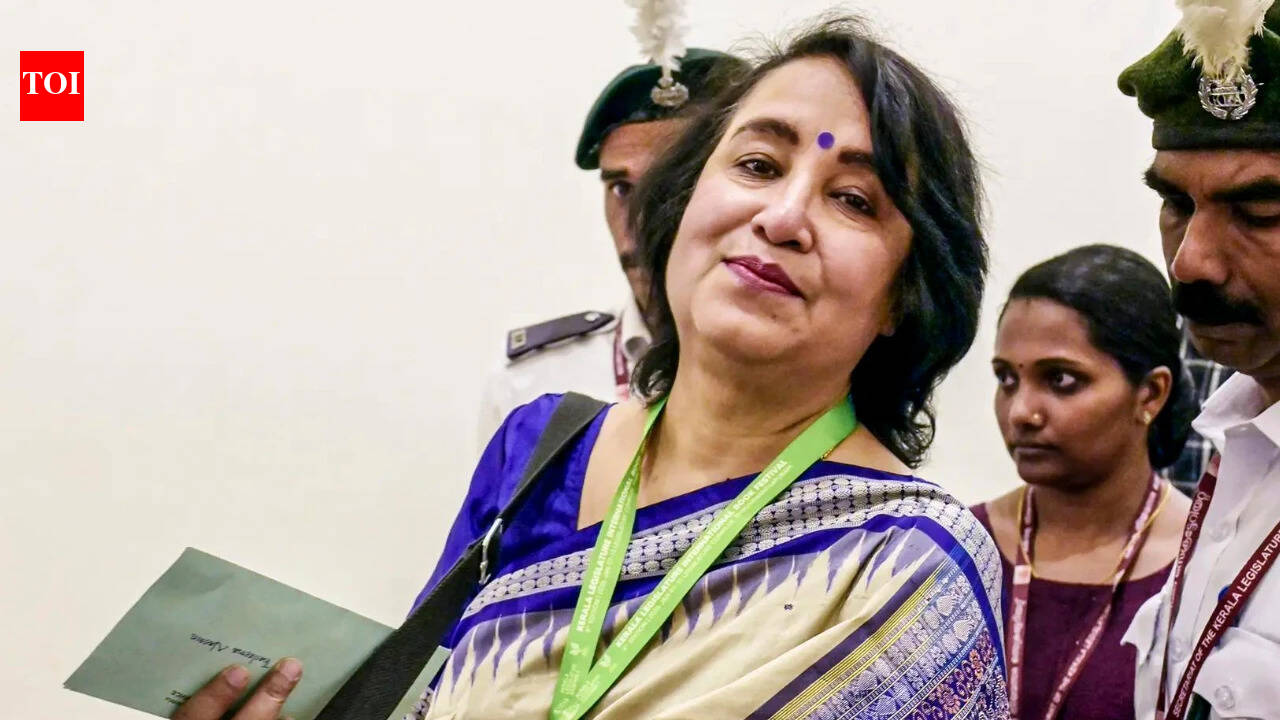
Exiled Bangladeshi author Taslima Nasreen is set to return to Kolkata after 20 years to attend an anti-fundamentalism literary event, sparking a volatile political debate between the Trinamool Congress and the BJP over free speech and religious sensitivity.
The Return of a Dissident: Taslima Nasreen and the Volatility of Bengal Politics
The announcement of Taslima Nasreen's return to Kolkata after two decades of exile marks a significant and potentially explosive moment in the socio-political landscape of West Bengal. Nasreen, a Bangladeshi physician and author, has long been a polarizing figure due to her fierce critiques of religious fundamentalism and her advocacy for women's rights within Islamic societies. Her return is not merely a literary homecoming but a political catalyst that threatens to ignite existing tensions regarding the boundaries of free expression and the influence of religious sentiment in public discourse.
The Historical Weight of Exile
To understand why Nasreen's return is viewed as a "powder keg," one must look back to the circumstances of her exile in 2007. Nasreen's writings, which challenged patriarchal interpretations of religion and criticized the institutionalization of faith, led to fatwas and widespread threats against her life in Bangladesh. Her subsequent years in exile across various Western countries served as a testament to the global struggle between secular humanism and religious orthodoxy. By returning to Kolkata, a city known for its intellectual heritage and complex relationship with religious identity, Nasreen brings back a legacy of defiance that remains deeply provocative to fundamentalist elements.
A Political Tug-of-War: TMC vs. BJP
The return of Nasreen has immediately become a pawn in the strategic maneuvering between West Bengal's two primary political forces: the Trinamool Congress (TMC) and the Bharatiya Janata Party (BJP). The TMC, which positions itself as a champion of secularism and inclusive governance, faces the delicate task of protecting a writer's right to free speech while ensuring that her presence does not trigger communal unrest that could destabilize the state. Conversely, the BJP may find itself in a complex position, potentially leveraging the narrative of "free speech" to critique the current administration's handling of security, while simultaneously managing the reactions of its own conservative base.
Free Speech and the Specter of Fundamentalism
At the heart of this controversy is the eternal conflict between the right to critique religion and the desire to maintain social harmony. Nasreen's participation in an anti-fundamentalism literary event this August is a direct challenge to those who believe that certain religious tenets should be immune to scrutiny. In the current global climate, where "cancel culture" and religious sensitivity often clash, Nasreen's presence in Kolkata serves as a litmus test for the region's commitment to democratic values. The risk of protests or violence is high, as her work often strikes at the core of identity politics, making her a lightning rod for both admirers of liberal thought and defenders of faith.
Broader Implications for the Intellectual Landscape
Beyond the immediate political skirmishes, Nasreen's return signals a potential reopening of intellectual debates in West Bengal that have been muted by the fear of backlash. Kolkata has historically been the epicenter of the Bengali Renaissance, characterized by a spirit of inquiry and rationalism. Her return could revitalize these conversations, encouraging a new generation of thinkers to engage with the themes of gender equality and the critique of dogma. However, if her visit is marred by instability, it may instead serve as a cautionary tale about the fragility of intellectual freedom in the face of organized religious opposition.
Conclusion: A Precarious Balancing Act
In summary, Taslima Nasreen's return to Kolkata is far more than a literary event; it is a high-stakes political encounter. The intersection of her provocative history, the competitive nature of Bengal's political parties, and the overarching tension between secularism and fundamentalism creates a volatile environment. Whether this event leads to a constructive dialogue on free speech or descends into political chaos will depend heavily on the state's ability to balance security with the fundamental right to expression. Her visit will undoubtedly leave a lasting mark on the political and cultural discourse of West Bengal.