Turkey's S-400 gamble: How a Gulf sale could redraw West Asia's air defence map
Source Entity
TOI DEFENCE DESK
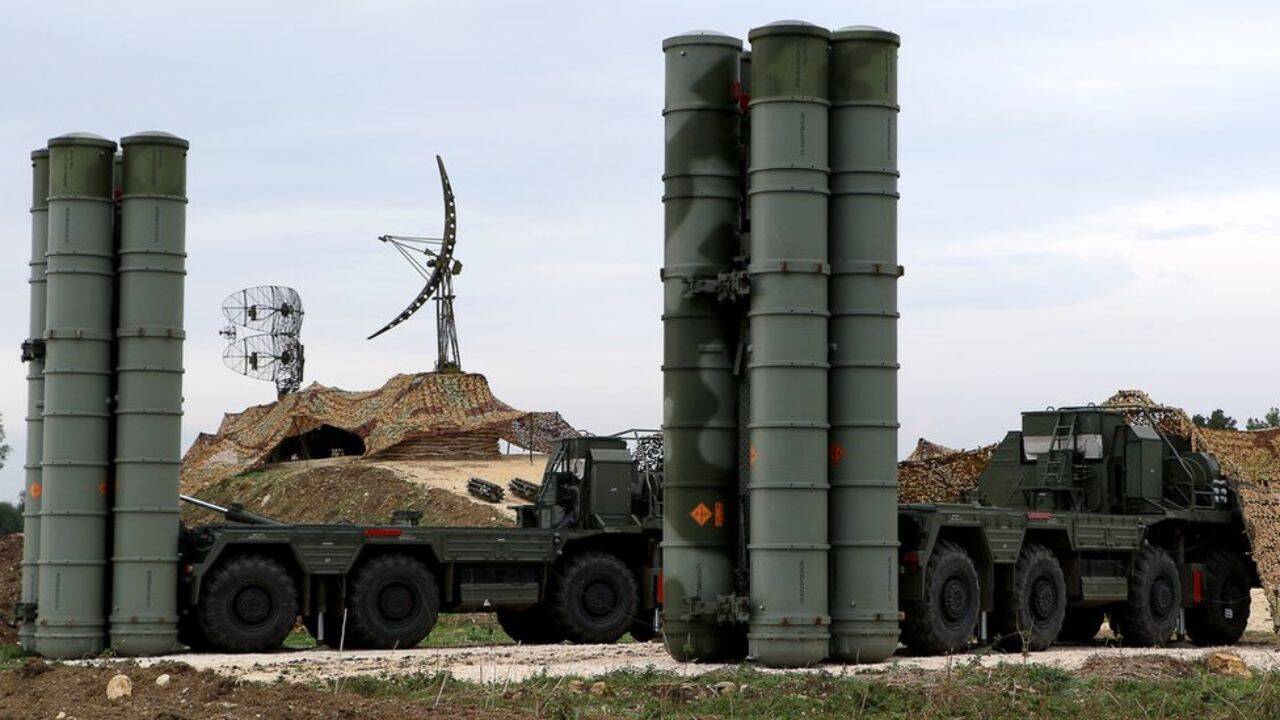
Turkey is considering selling its Russian-made S-400 air defense systems to the UAE in a strategic move to resolve tensions with the United States and potentially rejoin the F-35 fighter jet program.
The Strategic Pivot: Turkey's S-400 Gamble
Turkey is currently navigating one of the most complex geopolitical balancing acts in modern diplomacy. The prospect of selling its Russian-made S-400 Triumf air defense systems to the United Arab Emirates (UAE) represents more than just a hardware transaction; it is a calculated attempt to repair a fractured relationship with the United States and restore its standing within NATO's high-tech defense ecosystem. For years, the S-400 has been a wedge between Ankara and Washington, transforming from a defensive necessity into a symbol of Turkey's perceived drift away from Western security architectures.
The Catalyst: The F-35 Fallout and CAATSA Sanctions
To understand the gravity of this potential sale, one must look back at the fallout from Turkey's decision to acquire the S-400. The United States argued that the Russian system's advanced radar capabilities could be used to gather intelligence on the stealth characteristics of the F-35 Lightning II, the world's most advanced fifth-generation fighter. Consequently, the U.S. expelled Turkey from the F-35 program and imposed sanctions under the Countering America's Adversaries Through Sanctions Act (CAATSA). This left a significant void in the Turkish Air Force's modernization plans, forcing Ankara to rely on aging F-16s and accelerate its own indigenous fighter programs. The desire to return to the F-35 program is driven by the need to maintain air superiority in a volatile region spanning the Mediterranean and the Black Sea.
The UAE as a Strategic Middleman
The UAE's emergence as a potential buyer provides Turkey with a unique "exit ramp." By transferring the systems to a key U.S. ally in the Gulf, Turkey could effectively remove the problematic hardware from its own inventory without simply returning it to Russia—a move that might be viewed as a total surrender of sovereignty. For the UAE, acquiring the S-400 would further diversify its air defense layers, adding a Russian-made long-range capability to its existing American-made Patriot systems. This diversification is a common trend among Gulf states seeking to avoid over-dependence on a single security provider, thereby increasing their strategic autonomy.
The Russian Variable: The Ultimate Hurdle
Despite the potential benefits for Turkey and the UAE, the deal remains precarious because it requires the explicit consent of the Russian Federation. Russia typically maintains strict control over the end-user certificates of its most advanced military technology. Moscow may be reluctant to allow the S-400s to fall into the hands of a state so closely aligned with the U.S., fearing that the systems could be analyzed by Western intelligence. Furthermore, Russia views Turkey as a critical bridge between the East and West; allowing this sale might diminish Moscow's leverage over Ankara. Therefore, any successful transfer will likely require a complex set of concessions or a diplomatic trade-off that satisfies the Kremlin's security interests.
Redrawing the West Asian Air Defense Map
If this transaction occurs, it would fundamentally redraw the air defense map of West Asia. The shift would signal a transition from a period of Turkish-Russian alignment in defense procurement back toward a more traditional Western-centric security posture for Ankara. Regionally, it would elevate the UAE's defensive capabilities, potentially altering the balance of power in the Gulf. Moreover, it would set a precedent for how "problematic" arms acquisitions can be resolved through third-party transfers, providing a blueprint for other nations caught between competing superpowers in an era of increasing multipolarity.
Conclusion: A High-Stakes Diplomatic Maneuver
In summary, the potential sale of the S-400 to the UAE is a high-stakes gamble aimed at achieving a critical strategic objective: the restoration of Turkey's full military integration with the West. While the path is fraught with obstacles—most notably Russian approval and U.S. skepticism—the potential rewards are immense. If successful, Turkey could regain its access to stealth technology and lift the cloud of sanctions, while the UAE would bolster its defenses, and the broader region would witness a significant realignment of security priorities.