Mustafa Kamal, NC leader and Farooq Abdullah’s brother, dies at 83
Source Entity
Latest News: Today's Latest News Headlines from India & World | Hindustan Times | Hindustan Times
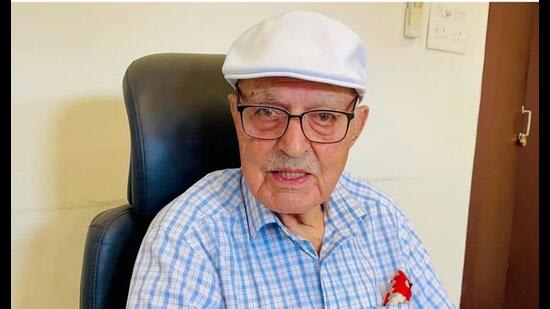
Mustafa Kamal, a leader of the National Conference and brother of Farooq Abdullah, has passed away at the age of 83. A medical professional by training, Kamal served as a general physician in Tangmarg, Baramulla, before transitioning into political leadership.
The Passing of Mustafa Kamal: A Legacy of Service and Politics
The passing of Mustafa Kamal at the age of 83 marks the end of a life characterized by a dual commitment to public health and political service. As a prominent leader within the National Conference (NC) and the brother of the veteran Kashmiri leader Farooq Abdullah, Kamal occupied a unique position within the socio-political fabric of Jammu and Kashmir. His life trajectory—moving from a medical practitioner to a political figure—reflects a broader tradition among the region's elite of leveraging professional expertise to better serve the public interest.
A Foundation in Medicine and Rural Service
Before his entry into the political arena, Mustafa Kamal established himself as a dedicated medical professional. Obtaining his MBBS degree from the prestigious Sawai Man Singh (SMS) Medical College in Jaipur in 1962, Kamal brought high-level clinical training back to his home region. His tenure as a general physician in Tangmarg, located near the tourist hub of Gulmarg in the Baramulla district, is particularly significant. During that era, rural healthcare in north Kashmir was often underserved, and the presence of a qualified physician in Tangmarg would have provided critical primary care to a population with limited access to advanced medical facilities.
The Transition from Healthcare to Political Leadership
Kamal's decision to take the "political plunge" represents a pivotal shift in his life's work. In the context of Jammu and Kashmir, the transition from professional practice to political activism is often driven by the realization that systemic issues—such as healthcare infrastructure, education, and governance—cannot be solved through clinical practice alone. By joining the National Conference, Kamal aligned himself with the dominant political force in the region, bringing a scientific and empathetic perspective to the party's leadership. This transition allowed him to influence policy and governance on a scale that exceeded the reach of a private medical practice.
The Influence of the Abdullah Family Legacy
As the brother of Farooq Abdullah, Mustafa Kamal was an integral part of one of the most influential political dynasties in Indian history. The Abdullah family has long been at the center of the struggle for autonomy and governance in Kashmir. Kamal's role within the NC was likely one of stability and support, providing a bridge between the family's high-profile leadership and the grassroots needs of the people. His background as a doctor likely afforded him a level of trust and respect among the citizenry that complemented the political charisma of his brother, grounding the family's political reach in tangible community service.
Regional Significance and the Baramulla Connection
Kamal's deep ties to the Baramulla district, specifically his work in Tangmarg, highlight the importance of localized leadership in Kashmiri politics. Baramulla has historically been a volatile and strategically important region. Having a leader who had spent years treating the local population as a physician creates a bond of kinship and trust that is invaluable in political mobilization. His legacy in Tangmarg serves as a reminder of the era when professional service was a primary gateway to political legitimacy in the valley.
Broader Implications and Future Trends
Looking forward, the passing of senior figures like Mustafa Kamal signals a generational shift within the National Conference. As the party navigates the complex political landscape of post-Article 370 Jammu and Kashmir, the loss of the "old guard" who remember the pre-conflict and early-conflict eras of the 1960s and 70s is significant. The NC must now balance the legacy of leaders like Kamal—who combined professional excellence with political loyalty—with the needs of a younger, more disillusioned electorate. The trend toward professionalization in politics, which Kamal embodied, remains a viable path for future leaders seeking to regain public trust through demonstrated competence.
Summary of a Multifaceted Life
In summary, Mustafa Kamal was more than just a political figure or a relative of a former Chief Minister; he was a healer who transitioned into a leader. From the halls of SMS Medical College to the clinics of Tangmarg and the political corridors of the National Conference, his life mirrored the evolution of Jammu and Kashmir's professional and political class. His death is a loss to both the medical community of Baramulla and the political machinery of the NC.
Verification Required?