Pune RTO plans alphanumeric vehicle registration series
Source Entity
Latest News: Today's Latest News Headlines from India & World | Hindustan Times | Hindustan Times
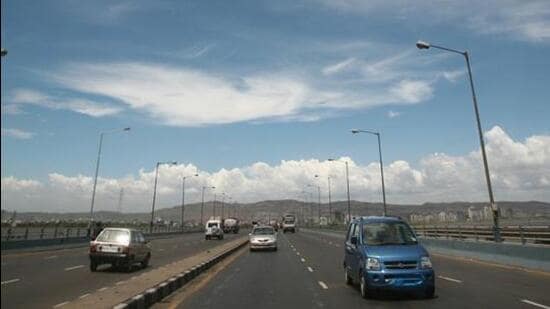
The Pune Regional Transport Office (RTO) is planning to implement an alphanumeric vehicle registration series to accommodate the city's growing number of vehicles, necessitating technical updates to the VAHAN digital platform.
Modernizing Urban Mobility: Pune RTO's Shift to Alphanumeric Registration
In a significant move to streamline vehicle administration, the Pune Regional Transport Office (RTO) has announced plans to transition to an alphanumeric vehicle registration series. This decision comes as a direct response to the rapid urbanization and the subsequent explosion in the number of private and commercial vehicles within the city. As traditional numeric series reach their capacity, the introduction of letters alongside numbers allows for a exponentially larger pool of unique registration combinations, ensuring that the city can continue to register new vehicles without administrative bottlenecks.
The Technical Imperative and the VAHAN Ecosystem
The transition is not merely a change in the sequence of characters on a number plate; it represents a complex technical overhaul of the digital infrastructure. Central to this process is the VAHAN platform, the centralized national registry managed by the Ministry of Road Transport and Highways (MoRTH). Because VAHAN serves as the single source of truth for vehicle data across India, any change in the registration format requires precise software modifications to ensure data integrity. This includes updating the database schema to accept alphanumeric strings and ensuring that the logic for generating unique IDs remains foolproof to prevent duplicate registrations.
Integration with High-Security Registration Plates (HSRP)
Beyond the software, this shift will have a tangible impact on the physical manifestation of vehicle identities. The number plate generation system must be recalibrated to accommodate alphanumeric characters while adhering to the strict standards of High-Security Registration Plates (HSRP). These plates are designed to prevent tampering and counterfeiting, and the transition to a new series will require coordination between the RTO and authorized HSRP vendors. This ensures that the new alphanumeric plates maintain the same security features—such as chromium-based holograms and unique laser-branded codes—that are critical for law enforcement and vehicle tracking.
Historical Context and Urban Scaling
Historically, Indian cities have followed a numeric progression for vehicle registration. However, as metropolitan hubs like Delhi, Mumbai, and now Pune experience unprecedented growth in vehicle ownership, the limitation of a 4-digit numeric suffix becomes an operational hurdle. By adopting an alphanumeric system, Pune is following a proven trajectory of urban scaling. This transition mirrors global standards where alphanumeric systems are the norm, allowing for millions of unique identifiers without needing to change the primary state or city codes (e.g., MH 12).
Implications for Law Enforcement and Traffic Management
From a governance perspective, the alphanumeric series will integrate with automated traffic enforcement systems. Modern ANPR (Automatic Number Plate Recognition) cameras used by the Pune traffic police will need to be updated or calibrated to recognize the new alphanumeric patterns. Once integrated, this will actually enhance the efficiency of e-challan systems and vehicle tracking, as the expanded series provides a more robust framework for identifying vehicles in a densely populated urban environment, thereby reducing the likelihood of clerical errors in registration records.
Conclusion: A Step Toward Digital Governance
Ultimately, the Pune RTO's move toward an alphanumeric registration series is a necessary evolution of the city's administrative machinery. By leveraging the VAHAN platform for technical upgrades, the RTO is not just solving a capacity problem but is also reinforcing the digital backbone of transport management. This shift ensures that Pune's infrastructure remains scalable, secure, and aligned with the national goal of digital transformation in public services, paving the way for a more organized and technologically advanced urban transport ecosystem.
Verification Required?