Cuss remarks against CJI: Two law students arrested over courtroom disruption
Source Entity
TOI NEWS DESK
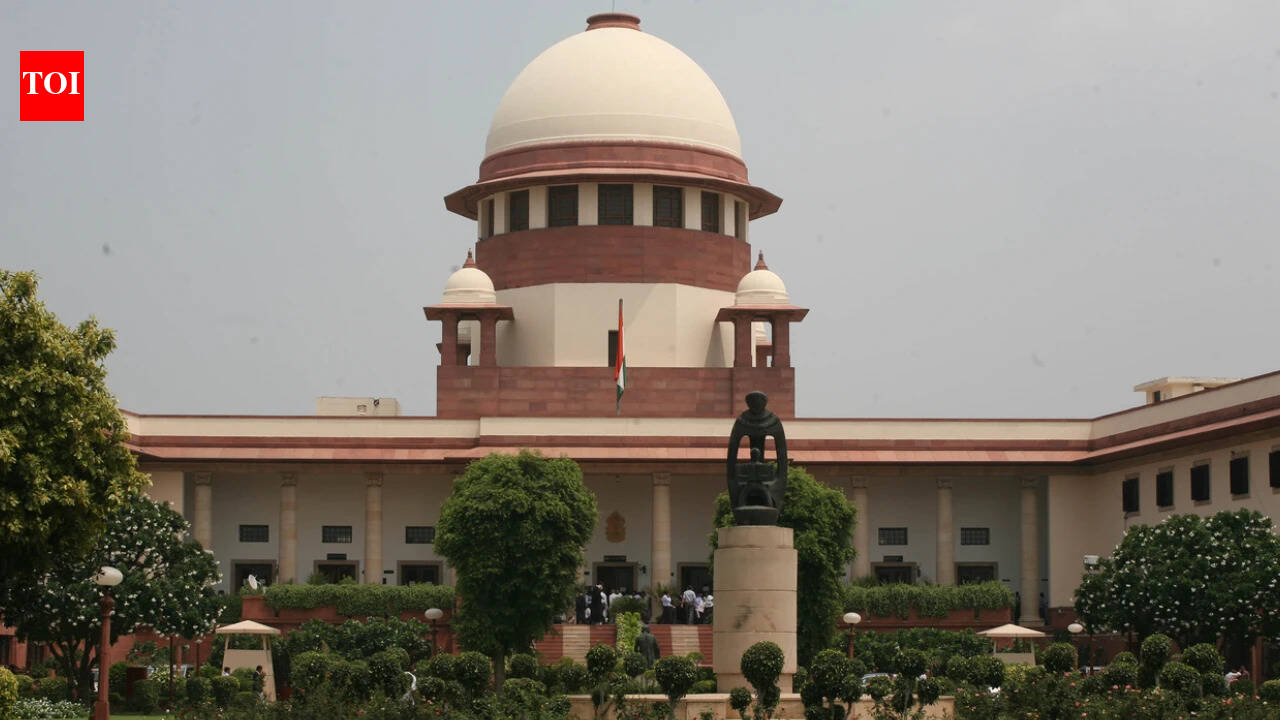
Two law students from Lucknow University, Prabal Pratap Singh and Chander Bhan, have been arrested in New Delhi for disrupting court proceedings and using abusive language directed at the Chief Justice of India (CJI).
Judicial Sanctity and the Law: Analysis of the Courtroom Disruption Incident
Introduction
The sanctity of the courtroom is a cornerstone of the democratic legal system, ensuring that justice is administered in an environment of order, respect, and impartiality. The recent arrest of two law students in New Delhi for using derogatory language against the Chief Justice of India (CJI) represents a severe breach of this decorum. This incident not only disrupts the immediate legal proceedings but also raises critical questions about the conduct of future legal professionals and the boundaries of protest within the judicial framework.
The Core Incident and Immediate Consequences
The individuals involved, identified as Prabal Pratap Singh (24) and Chander Bhan (23), are both students of Lucknow University—one in his third year and the other in his second. Their arrest follows a disruptive episode in a New Delhi court where they allegedly used cuss words and abusive remarks targeting the CJI. The swift action by law enforcement highlights the judiciary's zero-tolerance policy toward contempt and the deliberate attempt to undermine the dignity of the highest judicial office in the country.
Legal Implications: Contempt of Court
From a legal standpoint, this action likely falls under the ambit of 'Contempt of Court'. In the Indian legal system, contempt is categorized into civil and criminal; the latter specifically includes any act that scandalizes the court or lowers its authority. By targeting the CJI with abusive language, the students have not just offended an individual but have attacked the institution the CJI represents. This case serves as a stark reminder that while the right to dissent is guaranteed under the Constitution, it cannot be exercised through the degradation of judicial officers or the disruption of court functions.
The Paradox of Legal Education
There is a profound irony in the fact that the perpetrators are law students. As individuals training to enter a profession defined by adherence to the rule of law and court etiquette, their behavior is diametrically opposed to the professional standards they are expected to uphold. This incident may prompt Lucknow University and other legal institutions to re-evaluate their curricula regarding professional ethics and the practical application of judicial respect. The disconnect between academic legal knowledge and behavioral discipline in this instance is glaring.
Broader Implications for Judicial Security and Decorum
This event underscores a growing concern regarding the security and emotional volatility within courtroom spaces. As public discourse becomes more polarized, there is an increasing risk of judicial officers becoming targets of misplaced aggression. The arrest of Singh and Bhan sends a clear signal that the courtroom is a space for legal arguments, not for personal attacks or disruptive protests. It reinforces the necessity of maintaining a strict perimeter around the judiciary to prevent political or personal grievances from devolving into chaos during active hearings.
Conclusion and Future Outlook
Moving forward, this case will likely result in severe academic and legal repercussions for the two students. Beyond the immediate criminal charges, they may face disciplinary action from their university, potentially jeopardizing their future careers in law. For the wider legal community, this incident serves as a cautionary tale about the limits of expression within the halls of justice. It is expected that this event will lead to tighter security screenings and a renewed emphasis on courtroom etiquette to ensure that the judiciary remains an untainted sanctuary for the administration of law.