Pre-poll masterstroke, post-poll burden: Ladki Bahin scheme’s Maharashtra journey
Source Entity
Shubhangi Khapre
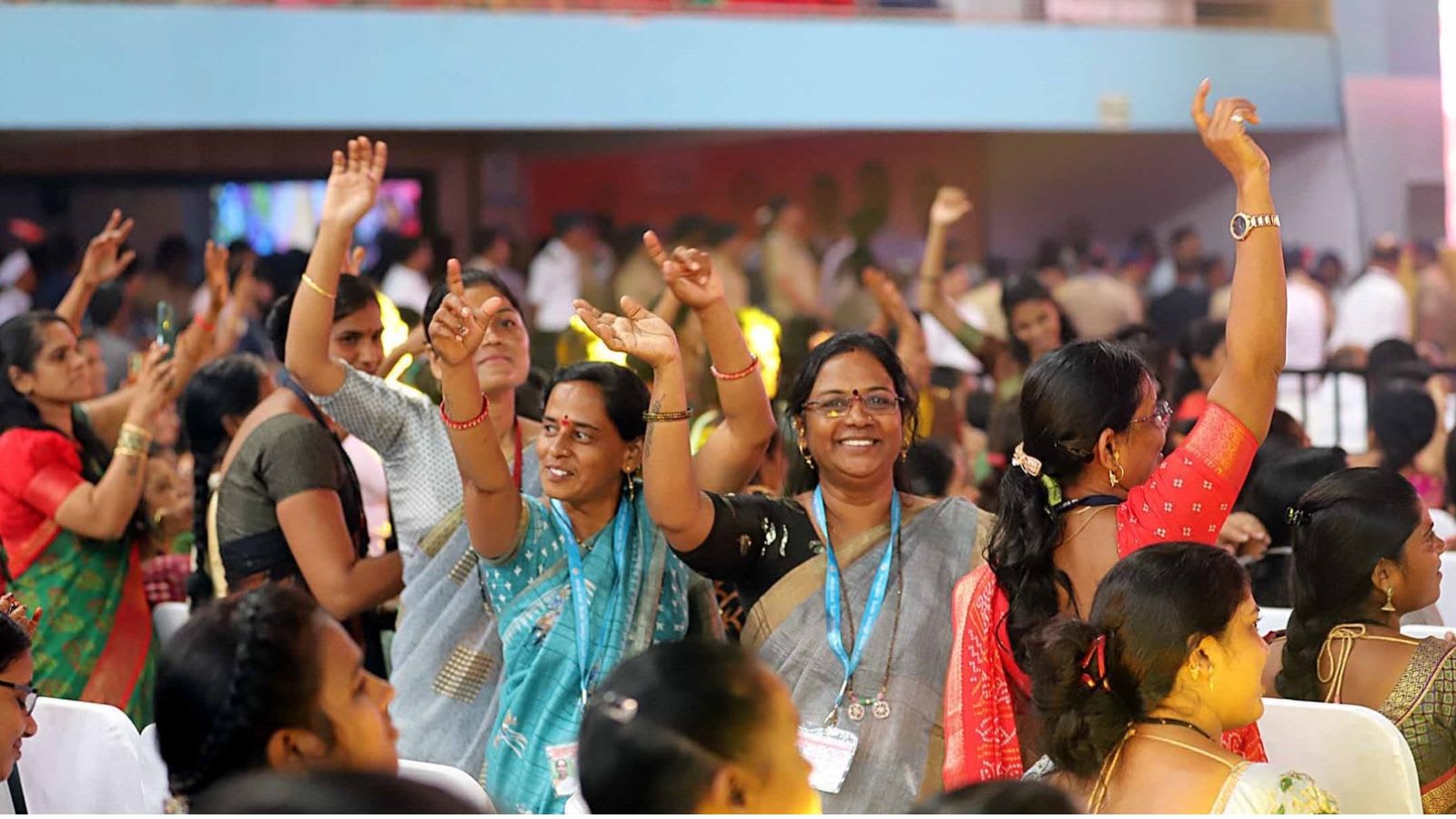
The Mahayuti government in Maharashtra launched the Majhi Ladki Bahin Yojana as a strategic pre-poll move to secure the women's vote bank, though the scheme now poses a significant long-term fiscal challenge for the state's treasury.
The Political Calculus of the Majhi Ladki Bahin Yojana
The introduction of the Majhi Ladki Bahin Yojana by the Mahayuti government, led by Chief Minister Eknath Shinde, serves as a quintessential example of modern 'welfare politics' in India. By providing direct financial assistance to women, the administration sought to create a tangible, immediate benefit for a demographic that has increasingly become a decisive 'silent voter' block in Maharashtra's competitive political landscape. This strategic move was timed precisely to coincide with the lead-up to the Assembly polls, aiming to neutralize opposition narratives and build a loyal base of female supporters through Direct Benefit Transfer (DBT).
The Strategy of Targeted Welfare
Historically, Indian elections have seen a shift toward 'Labharthis' (beneficiaries), where voters align with parties that provide direct cash transfers or essential subsidies. The Ladki Bahin scheme mirrors successful models seen in other states, such as the Ladli Behna Yojana in Madhya Pradesh. By focusing on women, the Mahayuti government recognized that female voters often prioritize household financial stability and social security. This targeted approach allows a government to bypass traditional caste-based mobilization and instead build a cross-community coalition based on economic empowerment, making it a potent 'masterstroke' for electoral mobilization.
The Shift from Masterstroke to Fiscal Burden
While the scheme may have provided an electoral edge, the transition from a campaign promise to a permanent administrative program brings significant financial strain. The 'post-poll burden' refers to the massive budgetary allocation required to sustain monthly payments to millions of women. In a state like Maharashtra, which balances high infrastructure ambitions with social spending, such a large-scale DBT program can lead to a ballooning fiscal deficit. When a government commits to a recurring cash transfer, it creates a 'permanent expectation' among the electorate, making it politically impossible to scale back the program even if the state's revenue fluctuates.
Implementation Challenges and Governance
Beyond the financial cost, the journey of the Ladki Bahin scheme highlights the complexities of governance in a digitally evolving state. The process of registration, verification of eligibility, and ensuring that funds reach the intended recipients without leakage requires a robust administrative machinery. The government has had to grapple with technical glitches in application portals and the challenge of reaching marginalized women in rural areas who may lack the necessary documentation or digital literacy. These hurdles often create a gap between the political rhetoric of 'empowerment' and the ground reality of bureaucratic friction.
Broader Implications for State Economics
Looking forward, the reliance on cash transfers as a primary tool for voter retention may signal a shift away from long-term structural investments in women's employment and skill development. While cash transfers provide immediate relief, they do not necessarily solve the underlying issues of gender-based economic inequality or lack of vocational opportunities. There is a growing concern among economists that 'freebie culture' could crowd out spending on healthcare, education, and sustainable infrastructure, potentially hindering Maharashtra's long-term economic growth in exchange for short-term political stability.
Conclusion: The Balance of Populism and Prudence
In summary, the Majhi Ladki Bahin Yojana illustrates the delicate balance between populist electoral strategies and fiscal prudence. While the scheme successfully positioned the Mahayuti government as a pro-women administration during the polls, the long-term sustainability of the program remains a critical question. The success of the scheme will ultimately be measured not by the number of votes it secured, but by the government's ability to manage the resulting financial burden without compromising the state's overall economic health.