Amid wrangle, LDF lays groundwork for CPI-CPI(M) detente over Kerala Deputy Opposition Leader post
Source Entity
India Latest News: Top National Headlines Today & Breaking News | The Hindu
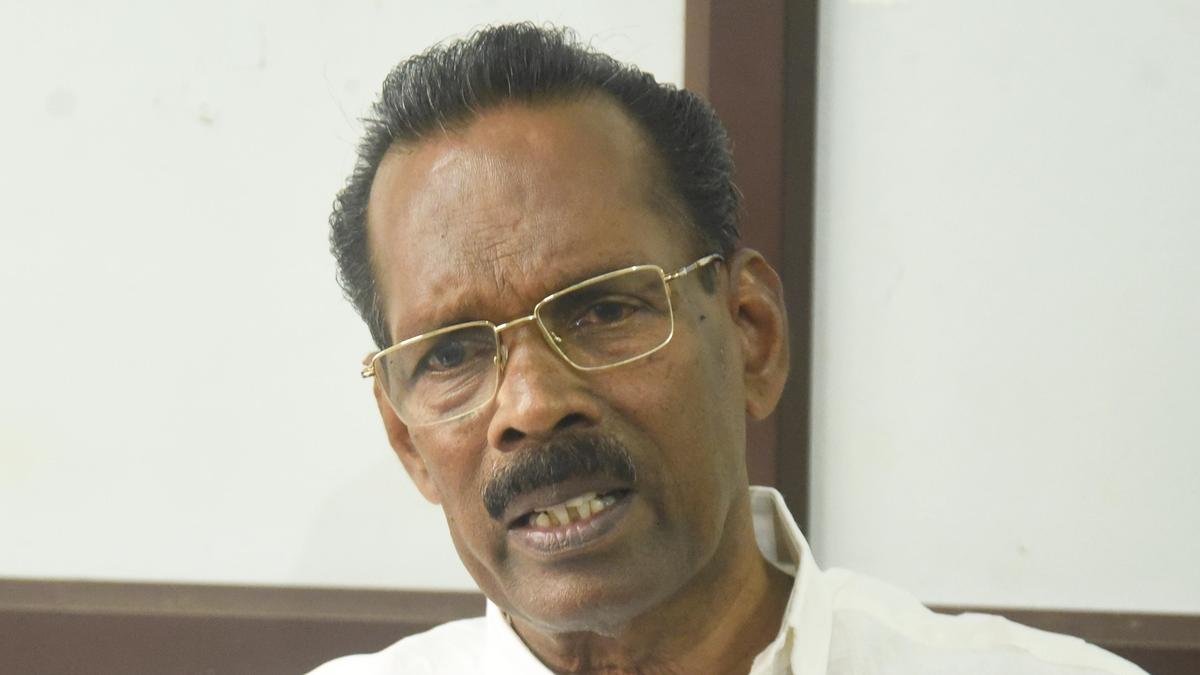
Leaders of the CPI and CPI(M) within Kerala's Left Democratic Front (LDF) have initiated preliminary discussions to resolve a disagreement over the appointment of the Deputy Opposition Leader.
Navigating Coalition Friction: The CPI-CPI(M) Detente in Kerala
The Left Democratic Front (LDF) in Kerala, a coalition traditionally defined by its ideological cohesion, is currently navigating a period of internal friction regarding the distribution of key legislative roles. The recent reports of a 'wrangle' between the Communist Party of India (CPI) and the Communist Party of India (Marxist) [CPI(M)] over the post of the Deputy Opposition Leader highlight the perennial challenge of power-sharing within left-wing alliances. While these parties often present a united front against political opponents, the allocation of specific leadership positions frequently becomes a flashpoint for competition and negotiation.
The Nascent Path to Rapprochement
Recent diplomatic efforts have seen T.P. Ramakrishnan, a prominent figure within the CPI(M), engage in a closed-door meeting with CPI State Secretary Binoy Viswam. This interaction signifies the LDF's attempt to lay the groundwork for a 'detente'—a loosening of tension—between the two dominant partners of the coalition. However, the nature of these discussions remains preliminary. Ramakrishnan has been careful to characterize these talks as being in their 'nascent stages,' suggesting that while the will to resolve the conflict exists, a concrete agreement on who will occupy the Deputy Opposition Leader post has not yet been reached.
Power-Sharing Dynamics and Ideological Alignment
To understand the gravity of this dispute, one must look at the historical relationship between the CPI and the CPI(M). Although they share a common ideological root and a commitment to socialist politics, the two parties have historically operated with distinct organizational structures and strategic priorities. In the context of the LDF, the CPI(M) is typically the larger, more dominant partner, while the CPI provides critical support and ideological weight. When disputes arise over posts like the Deputy Opposition Leader, it is often less about the specific duties of the office and more about the symbolic recognition of the smaller partner's influence within the coalition.
The Significance of the Deputy Opposition Leader Post
The role of the Deputy Opposition Leader is more than a mere title; it is a position of legislative visibility. In the Kerala Assembly, this role allows the holder to lead critiques of the government and represent the opposition's stance on key policy issues. For the CPI, securing this post would be a victory in asserting its relevance and ensuring that its specific voice is heard within the LDF's broader strategy. Conversely, for the CPI(M), managing the allocation of this post is a balancing act between maintaining its own leadership grip and keeping its allies satisfied to ensure coalition stability.
Rhetorical Strategies and Coalition Stability
Interestingly, both leaders employed specific rhetorical strategies following their meeting to project stability to the public. T.P. Ramakrishnan explicitly denied the existence of a 'rift' in the coalition, an attempt to prevent political opponents from exploiting internal weaknesses. Similarly, Binoy Viswam’s assertion that the "CPI and CPI(M) pursued the same politics" serves as a reminder of the overarching ideological bond that transcends temporary administrative disputes. This carefully managed communication is designed to reassure the LDF cadre that the disagreement is a procedural matter of adjustment rather than a fundamental ideological split.
Future Implications for the LDF
Looking forward, the resolution of this wrangle will be a litmus test for the LDF's internal diplomacy. If a compromise is reached swiftly, it will reinforce the coalition's image as a disciplined and unified force. However, if the 'nascent' talks fail to materialize into a formal agreement, it could lead to prolonged resentment, potentially affecting the coalition's efficiency in the assembly. The ability of the CPI(M) to accommodate the CPI's aspirations without compromising its own strategic goals will be the deciding factor in whether this detente leads to a lasting peace or merely a temporary truce.
Summary
In conclusion, the meeting between T.P. Ramakrishnan and Binoy Viswam represents a critical effort to stabilize the LDF by addressing a specific power-sharing dispute over the Deputy Opposition Leader post. While the parties continue to emphasize their shared political goals and deny any deep rift, the ongoing negotiations underscore the complexities of maintaining harmony within a multi-party communist coalition in Kerala.
Verification Required?