Who was Johan Sebastian Duran Guerrero? Father of 3-year-old killed in Maine ICE shooting; ‘he had a lot of dreams’
Source Entity
Latest News: Today's Latest News Headlines from India & World | Hindustan Times | Hindustan Times
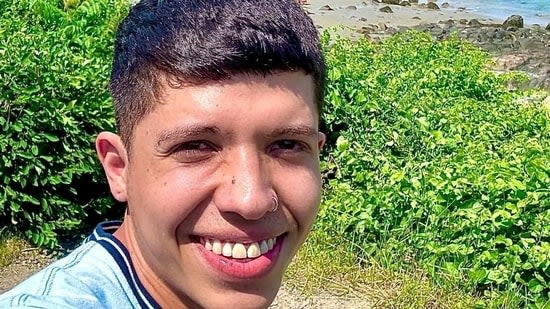
Johan Sebastian Duran Guerrero, a 26-year-old Colombian father, was killed during an operation conducted by U.S. Immigration and Customs Enforcement (ICE) in Maine, leaving a three-year-old child without a father.
The Tragic Death of Johan Sebastian Duran Guerrero
The death of Johan Sebastian Duran Guerrero, a 26-year-old Colombian national, marks a devastating intersection of immigration enforcement and human tragedy. Killed during an operation conducted by U.S. Immigration and Customs Enforcement (ICE) in Maine, Guerrero's passing has sparked immediate concern regarding the use of lethal force during deportation and apprehension efforts. The event is not merely a legal or procedural failure but a profound human loss, as Guerrero leaves behind a three-year-old child, transforming a government operation into a familial catastrophe.
A Life Cut Short: The Human Cost of Enforcement
Johan Sebastian Duran Guerrero is described by those close to him as a man who "had a lot of dreams," a phrase that encapsulates the aspirations of millions of migrants who move across borders in search of stability, safety, and opportunity. At only 26 years old, Guerrero was in the prime of his life, balancing the responsibilities of fatherhood with the precarious nature of his legal status in the United States. The narrative of his "dreams" highlights the inherent tension between the individual's desire for a better life and the rigid, often violent, mechanisms of state-led immigration enforcement.
Analyzing ICE Protocols and the Use of Force
This incident raises critical questions about the tactical approach employed by ICE agents in Maine. The use of lethal force—resulting in a shooting—suggests a high-escalation encounter that warrants deep scrutiny. In the context of immigration enforcement, the transition from an administrative action (detention and removal) to a lethal confrontation is a point of significant legal and ethical contention. Analyzing this event requires an examination of whether the force used was proportional to the threat posed, or if the operation suffered from systemic failures in de-escalation and risk assessment.
The Legal and Ethical Dimensions of Immigration Raids
Beyond the immediate violence, the death of Guerrero brings to the forefront the broader debate over the ethics of ICE operations. The psychological impact of such raids extends beyond the target of the operation to the community at large, creating a climate of fear. From a legal perspective, the right to due process is often overshadowed by the speed and aggression of enforcement actions. Guerrero's death serves as a grim reminder that when enforcement priorities override human rights and safety protocols, the result is often an irreversible tragedy that cannot be rectified by later legal appeals.
Familial Devastation and the Generational Impact
Perhaps the most heartbreaking aspect of this event is the impact on Guerrero's three-year-old child. The loss of a father at such a formative age creates a generational trauma that extends far beyond the initial shooting. This child now faces a future defined by the absence of a parent due to a government action, raising questions about the long-term societal cost of aggressive immigration enforcement. The tragedy underscores the reality that "collateral damage" in these operations is not an abstract concept but consists of real children whose lives are permanently altered.
Broader Implications for Immigration Policy in the US
While Maine may not be the most frequent site of high-profile ICE confrontations compared to border states, this event demonstrates that the reach of federal enforcement is pervasive. The death of a young Colombian father in the Northeast highlights the national scope of immigration tensions. As policies fluctuate between different administrations, the fundamental issue remains: the lack of a streamlined, humane pathway for legalization often pushes individuals into the shadows, where encounters with law enforcement are more likely to turn volatile and deadly.
Conclusion: A Call for Accountability
The death of Johan Sebastian Duran Guerrero is a stark reminder of the lethal potential of immigration enforcement when it lacks transparency and restraint. To prevent future tragedies, there must be a rigorous investigation into the specific circumstances of the Maine shooting and a broader re-evaluation of the rules of engagement for ICE agents. The memory of a father who "had a lot of dreams" should serve as a catalyst for policy shifts that prioritize human life and familial unity over the aggressive pursuit of deportation targets.
Verification Required?