Shaheedi’ memorial to be built at Harike Pattan, says Akal Takht Jathedar amid ‘Satluj’ row
Source Entity
Kamaldeep Singh Brar
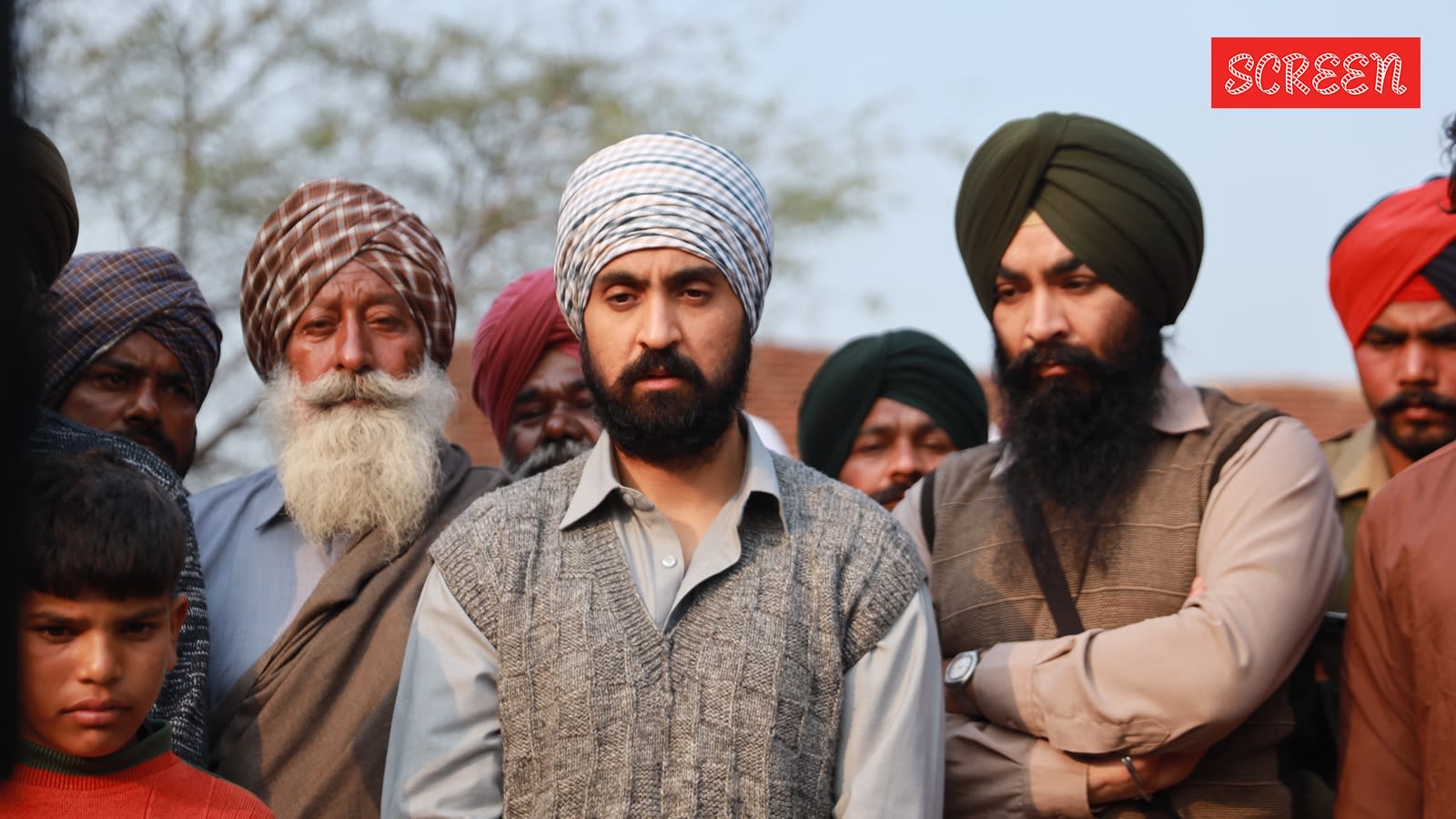
The Akal Takht has announced the construction of a 'Shaheedi' memorial at Harike Pattan to honor human rights activist Jaswant Singh Khalra and the countless individuals whose bodies were disposed of as unclaimed during the Punjab insurgency.
Honoring the Disappeared: The Shaheedi Memorial at Harike Pattan
In a significant move toward historical recognition and communal healing, the Akal Takht has announced the establishment of a 'Shaheedi' (martyrdom) memorial at Harike Pattan. This decision, voiced by the Akal Takht Jathedar, comes amidst ongoing tensions and debates—referred to as the 'Satluj row'—concerning the treatment and memory of those who perished during the turbulent decades of the Punjab insurgency. The memorial is specifically dedicated to the late human rights activist Jaswant Singh Khalra and the thousands of unidentified victims whose remains were disposed of in the region.
The Legacy of Jaswant Singh Khalra
To understand the weight of this announcement, one must consider the role of Jaswant Singh Khalra. Khalra was a pivotal figure in the struggle for human rights in Punjab, known for his courageous efforts to uncover the truth about 'disappeared' persons. During the 1990s, he meticulously documented the illegal cremations of thousands of individuals by security forces, challenging the official narratives of the state. His work brought international attention to the systemic human rights violations occurring in the region, but it also made him a target. Khalra was eventually abducted and murdered, becoming a symbol of the fight for truth and accountability.
The Significance of Harike Pattan and the Satluj River
Harike Pattan, situated at the confluence of the Beas and Satluj rivers, holds a grim historical significance. The 'Satluj row' mentioned in current reports pertains to the discovery and the systemic disposal of bodies in the river and surrounding areas during the insurgency. For many families, the Satluj river represents a site of unresolved grief, as many of their loved ones were never returned to them for final rites. By placing a memorial at this specific location, the Akal Takht is effectively transforming a site of trauma and state-sponsored secrecy into a site of public memory and spiritual solace.
The Role of the Akal Takht in Social Justice
The involvement of the Akal Takht, the highest temporal seat of Sikh authority, elevates this initiative from a local commemorative effort to a matter of profound religious and social importance. By sanctioning the memorial, the Akal Takht is asserting that the pursuit of justice for the disappeared is not merely a political or legal battle, but a moral and spiritual imperative. This move signals a commitment to ensuring that the suffering of the marginalized and the bravery of activists like Khalra are etched into the collective consciousness of the Panth and the wider Indian public.
Broader Implications for Human Rights and Reconciliation
This memorial project carries broader implications for the discourse on state accountability in India. The act of naming the 'unclaimed' dead and providing them with a dedicated space for remembrance is a critical step in the process of transitional justice. It challenges the culture of impunity and forces a confrontation with the darker chapters of regional history. Furthermore, it provides a psychological anchor for the descendants of the disappeared, offering a tangible place to mourn those who were denied a proper burial or cremation.
Conclusion: Toward a Future of Truth
Ultimately, the proposed Shaheedi memorial at Harike Pattan is more than just a physical structure; it is a demand for truth. As the Akal Takht pushes forward with this project, it underscores the enduring need for transparency and reconciliation in Punjab. By honoring Jaswant Singh Khalra and the nameless thousands, the initiative seeks to ensure that the lessons of the past are not forgotten, paving the way for a future grounded in human rights and the rule of law.