CM meets Union Minister Shivraj Chouhan Centre approves one lakh rural houses, allocates Rs 1,000-cr for 2400 km roads
Source Entity
Tanusree Bose
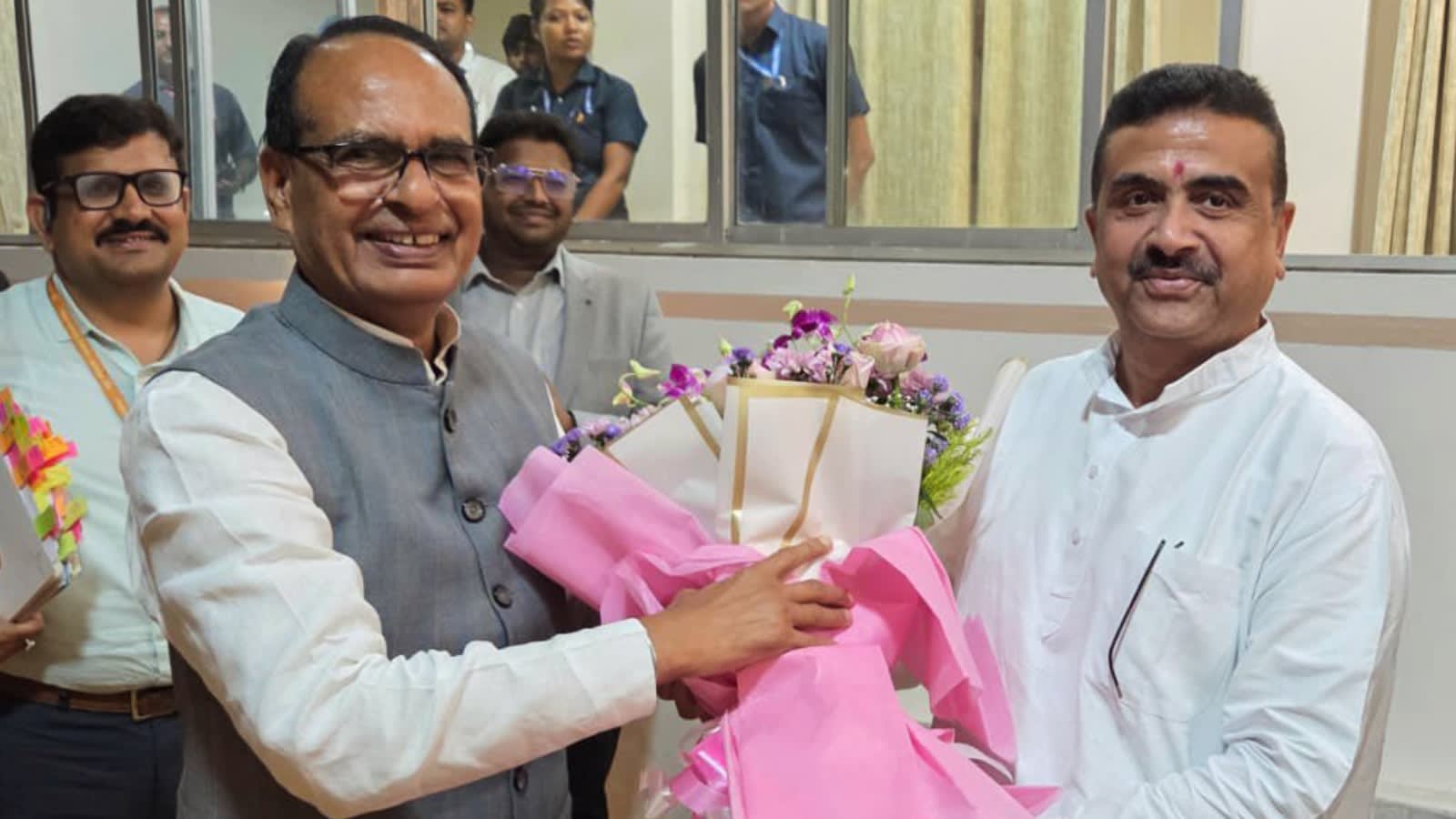
Following a high-level meeting between the state Chief Minister and Union Minister Shivraj Chouhan, the Central Government has sanctioned the construction of one lakh rural houses and allocated Rs 1,000 crore for the development of 2,400 km of rural roads.
Strengthening Rural Infrastructure: A Strategic Boost for State Development
In a significant move toward enhancing rural living standards and connectivity, the Central Government has announced a major funding package following a productive meeting between the state Chief Minister and Union Minister Shivraj Chouhan. The approval encompasses two critical pillars of rural development: the construction of one lakh houses under the Pradhan Mantri Awas Yojana (PMAY) and a financial allocation of Rs 1,000 crore for the development of 2,400 km of rural roads via the Pradhan Mantri Gram Sadak Yojana (PMGSY). This coordinated effort underscores a strategic alignment between state leadership and the Union government to accelerate the pace of grassroots infrastructure growth.
Transforming Rural Living through PMAY
The sanctioning of one lakh rural houses is more than just a construction project; it is a targeted intervention to combat housing poverty. By utilizing the Pradhan Mantri Awas Yojana framework, the government aims to provide pucca houses to the most marginalized sections of society. Historically, inadequate housing in rural areas has been linked to poor health outcomes and social vulnerability. The provision of permanent housing not only ensures safety and dignity for thousands of families but also acts as a catalyst for social mobility. When families transition from kucha to pucca houses, there is a documented increase in stability, which often leads to better educational outcomes for children and improved hygiene standards within the household.
Enhancing Connectivity via PMGSY
Parallel to the housing initiative, the allocation of Rs 1,000 crore for 2,400 km of rural roads represents a critical investment in 'last-mile connectivity.' Under the Pradhan Mantri Gram Sadak Yojana, the focus is on linking isolated habitations to main market centers. The economic implications of this are profound; better roads directly reduce the cost of transporting agricultural produce, allowing farmers to reach markets faster and secure better prices for their crops. Furthermore, improved road networks drastically reduce the time taken to reach emergency healthcare facilities and educational institutions, effectively bridging the gap between urban and rural accessibility.
Socio-Economic Ripples and Employment Generation
Beyond the immediate physical assets, these projects are expected to trigger a surge in local economic activity. The construction of 100,000 houses and thousands of kilometers of roads requires a massive influx of labor, materials, and technical supervision. This typically leads to a spike in demand for local artisans, masons, and laborers, thereby generating significant short-term employment opportunities within the rural economy. This 'multiplier effect' ensures that the central funding does not just build structures but also puts money directly into the pockets of the rural workforce, stimulating local trade and services.
Political Synergy and Administrative Efficiency
The meeting between the CM and Union Minister Shivraj Chouhan highlights the importance of inter-governmental coordination in the execution of centrally sponsored schemes. The swift approval of these funds suggests a streamlined administrative process and a shared political will to prioritize rural upliftment. In the context of Indian federalism, such synergy is essential to ensure that funds are not just allocated on paper but are efficiently disbursed and utilized on the ground. This collaboration serves as a blueprint for how state-center partnerships can expedite the delivery of essential services to the remotest parts of the country.
Conclusion: Towards a Sustainable Rural Future
In summary, the dual focus on housing and road connectivity marks a comprehensive approach to rural development. By addressing the fundamental needs of shelter and mobility, the government is laying the groundwork for long-term sustainable growth. As these 2,400 km of roads open up new economic corridors and one lakh families find secure housing, the state is likely to see a reduction in rural-to-urban migration and a revitalization of the village economy. The success of these initiatives will ultimately depend on the transparency of execution and the quality of construction, but the scale of the commitment signals a transformative era for the state's rural landscape.