India through art of a remarkable early Victorian woman, now on display in Delhi
Source Entity
Trisha Mukherjee
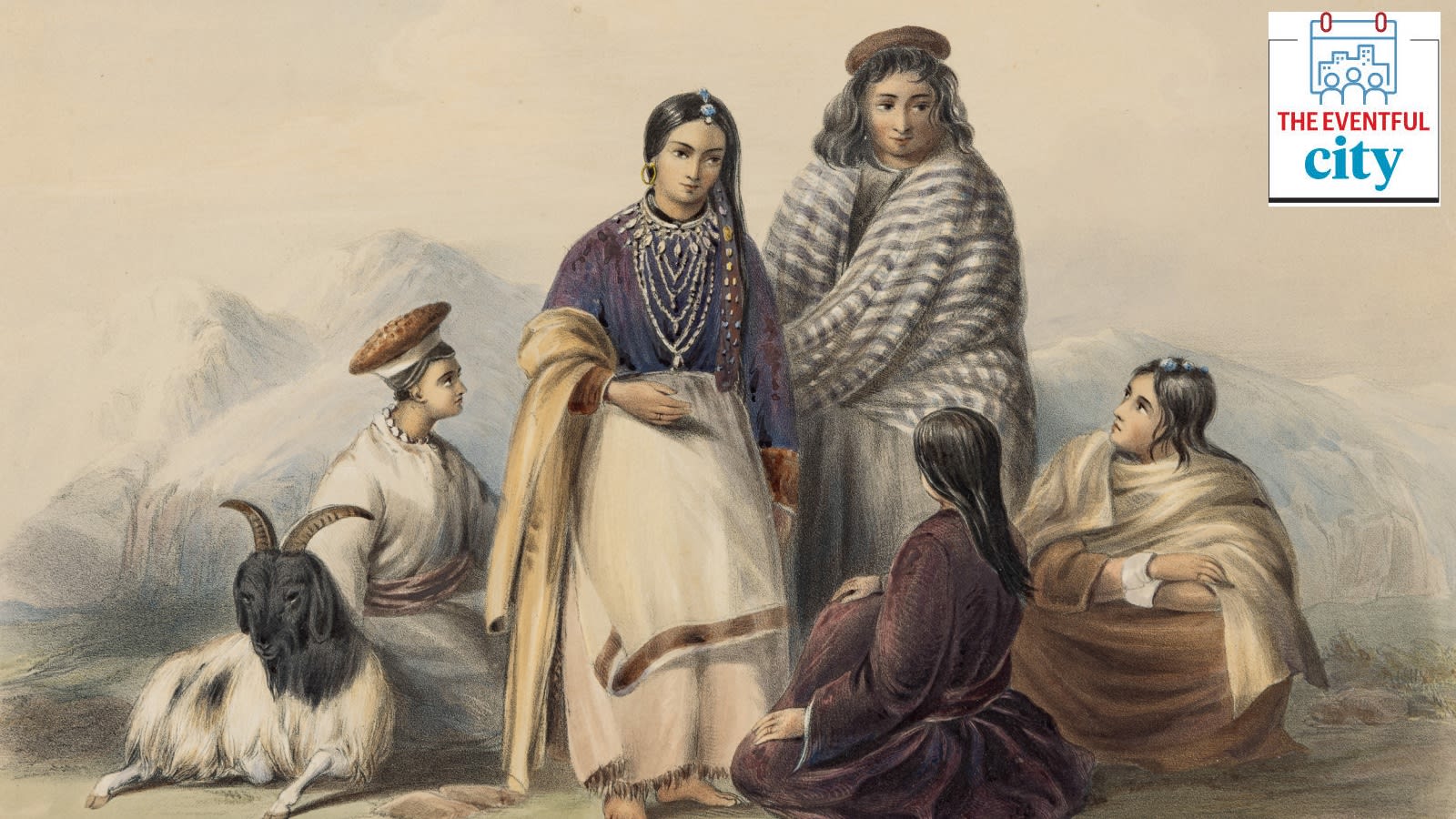
A special exhibition in Delhi is showcasing the art and written chronicles of Emily Eden, an aristocratic English woman and confidante of Queen Victoria, who traveled across North India nearly 200 years ago.
Rediscovering the Victorian Gaze: The Art and Chronicles of Emily Eden
The recent unveiling of an exhibition in Delhi featuring the works of Emily Eden marks a significant cultural moment, offering a rare glimpse into the intersection of art, gender, and colonial history. Almost two centuries ago, Eden, an aristocratic English woman of immense talent and social standing, traversed the landscapes of North India. Her journey was not merely a tour of the subcontinent but a meticulous exercise in documentation, where she used both the pen and the brush to record her observations. By bringing these artifacts to the public in Delhi, the exhibition provides a physical bridge to the early Victorian era, allowing contemporary audiences to analyze how the British elite perceived the Indian landscape and its people during a pivotal era of imperial expansion.
The Persona of Emily Eden and Her Royal Connections
Emily Eden was far from an ordinary traveler; her position as a correspondent and close associate of Queen Victoria granted her a unique social vantage point. This proximity to power likely influenced the nature of her observations, blending a sense of aristocratic curiosity with the formal expectations of her class. In the context of the 19th century, for a woman of her status to travel extensively through North India was a bold undertaking. Her writings and sketches serve as a primary source for understanding the domestic and social lives of the British in India, as well as the specific ways in which high-society women navigated the complexities of a foreign land under the umbrella of colonial protection.
Artistic Documentation and the 'Excursions' of North India
The art on display is more than a collection of aesthetic sketches; it is a visual archive of early Victorian North India. During this period, before the ubiquity of photography, the sketchbook was the primary tool for recording architecture, flora, fauna, and human interaction. Eden's work likely captures the ruins of ancient civilizations and the bustling centers of trade, reflecting the era's fascination with 'the exotic.' By analyzing her art, historians can discern the specific elements of Indian culture that resonated with the Victorian mind—often a mix of genuine admiration for India's architectural grandeur and a patronizing view of its social structures.
Historical Context: The British East India Company Era
To fully appreciate the significance of Eden's work, one must consider the geopolitical climate of early 19th-century India. This was a time when the British East India Company was consolidating its grip over various princely states, transitioning from a trading entity to a governing power. Eden's travels occurred against a backdrop of shifting alliances and growing administrative control. Her records likely mirror the tension of this era—the awe of discovering a land of immense antiquity contrasted with the systemic imposition of British norms. Her work provides a window into the intellectual climate of the time, where the 'recording' of India was often seen as a way of 'claiming' or understanding it through a Western lens.
The Gendered Perspective of Colonial Travel
One of the most analytical layers of this exhibition is the exploration of the female voice in colonial narratives. Most historical accounts of India from this period were written by male soldiers, diplomats, or administrators. Eden’s perspective as a woman adds a critical dimension to the discourse. Women travelers often had access to different social spheres, including the zenanas (women's quarters) or the private lives of Indian noblewomen, which were strictly off-limits to men. Her art and words may therefore reveal nuances of Indian social life that are absent from the official military and political archives of the British Raj.
Implications for Modern Heritage and Future Scholarship
The decision to display these works in Delhi is profoundly symbolic. It allows for a 'repatriation' of the gaze, where the subjects of Eden's art—the people and places of India—are now the primary audience for her interpretations. This creates a dialogue between the past and the present, encouraging scholars to question the biases inherent in colonial art while celebrating the technical skill of the artist. Future trends in museum curation are likely to move toward this model of 'critical exhibition,' where historical artifacts are not just presented as beautiful objects but as tools for discussing power, identity, and the shared, albeit complicated, history between India and Britain.
Summary
The exhibition of Emily Eden's work in Delhi is a sophisticated intersection of art history and colonial study. By synthesizing her role as a royal confidante with her output as an artist and writer, the display illuminates the early Victorian perception of North India. It highlights the importance of gendered narratives in history and provides a vital resource for understanding the cultural exchanges—and misunderstandings—that defined the early years of British influence in the region.