Cabinet likely to approve Rs 25,000 crore Ganga, Varuna corridors for Varanasi
Source Entity
DIPAK K DASH
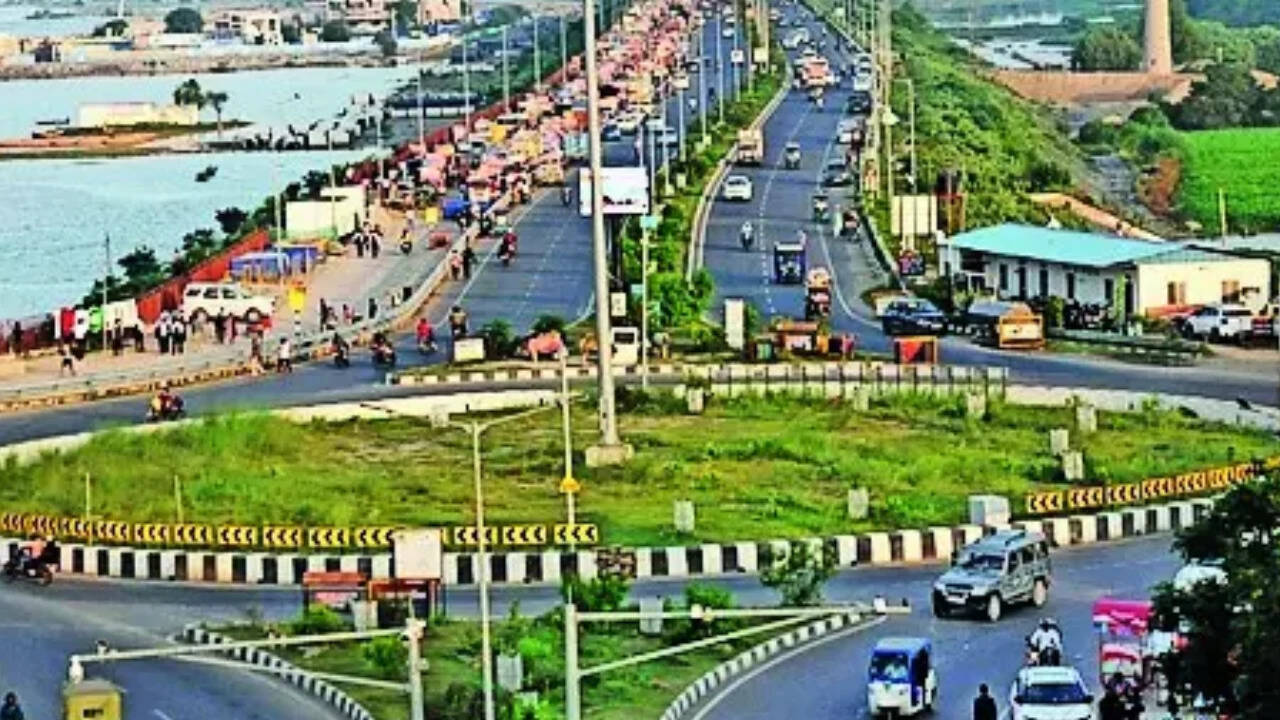
The Union Cabinet is expected to approve two major elevated road projects in Varanasi—the Ganga and Varuna Corridors—with a combined investment of approximately ₹25,000 crore to reduce traffic congestion and enhance tourism.
Transforming Urban Mobility in the Holy City: An Analysis of the Ganga and Varuna Corridors
Varanasi, one of the oldest continuously inhabited cities in the world, faces a perennial struggle: balancing its profound spiritual heritage with the demands of 21st-century urban mobility. The anticipated approval of the Ganga and Varuna corridors by the Union Cabinet, with a massive investment of ₹25,000 crore, represents a strategic intervention to modernize the city's infrastructure. This initiative is not merely about road construction but about ensuring the city's survival and functionality amidst a surge in pilgrimage and local population growth.
The Ganga Elevated Corridor: A Riverfront Lifeline
The proposed 46-kilometer Ganga Elevated Corridor is designed to run along the riverfront, serving as a high-capacity artery for the city. In a city characterized by narrow, winding alleys and dense settlements, the creation of an elevated highway allows for the movement of vehicles without encroaching further on the limited ground-level space. By diverting heavy traffic away from the core temple areas and the river ghats, this project will likely protect the structural integrity of ancient heritage sites while providing a scenic and efficient transit route for both locals and visitors.
The Varuna Corridor: Strategic Regional Connectivity
Complementing the riverfront project is the 43-kilometer Varuna Corridor, an elevated link specifically designed to connect two major national highways. This is a critical piece of logistical engineering aimed at solving the 'bottleneck' problem. Currently, transit traffic moving through Varanasi often gets trapped in urban congestion. By creating a seamless link between highways, the government is essentially creating a bypass system that allows long-distance transit to skirt the city center, thereby drastically reducing the commute time for freight and intercity travel.
Catalyzing Tourism and Economic Growth
From a tourism perspective, these corridors are a necessary evolution. Following the revitalization of the Kashi Vishwanath Corridor, there has been a significant increase in the volume of devotees and international tourists. However, the 'last mile' connectivity has remained a significant pain point. These elevated roads will facilitate smoother access for tour buses and private vehicles, making the city more accessible to elderly pilgrims and high-spending tourists. This increased accessibility is expected to trigger a ripple effect, boosting the local hospitality, handicraft, and service sectors.
Urban Planning and the 'Smart City' Vision
The ₹25,000 crore outlay underscores the integration of Varanasi into the broader 'Smart Cities' mission. The decision to build elevated corridors is a conscious choice to minimize the need for mass demolition in a city where every square inch of land holds historical or religious value. This approach to urban planning—building upward rather than outward—is a sustainable model for other heritage cities in India that struggle with extreme density and limited right-of-way for road expansion.
Long-term Implications and Future Trends
Looking forward, these projects set a precedent for how India manages its tier-2 spiritual hubs. We can expect a trend toward 'multi-modal' integration, where these corridors might eventually link with revamped railway stations and airport expansions. The reduction in ground-level traffic will also allow the city to reclaim street space for pedestrianization, further enhancing the experience of the 'Ghats' and the old city's unique atmosphere. The environmental impact of reduced idling and congestion will also contribute to a cleaner riverfront environment.
Conclusion
In summary, the Ganga and Varuna corridors are transformative infrastructure projects that address the chronic congestion of Varanasi. By investing ₹25,000 crore into these elevated links, the Union Cabinet is ensuring that the city can accommodate its growing role as a global spiritual destination without sacrificing its historical essence. These corridors will likely serve as the backbone of Varanasi's modern transport network, blending cutting-edge civil engineering with the preservation of ancient culture.