‘Taken the court for a ride’: Supreme Court slaps Rs 3 lakh fine each on Samay Raina, two YouTubers for defying court
Source Entity
The Indian Express
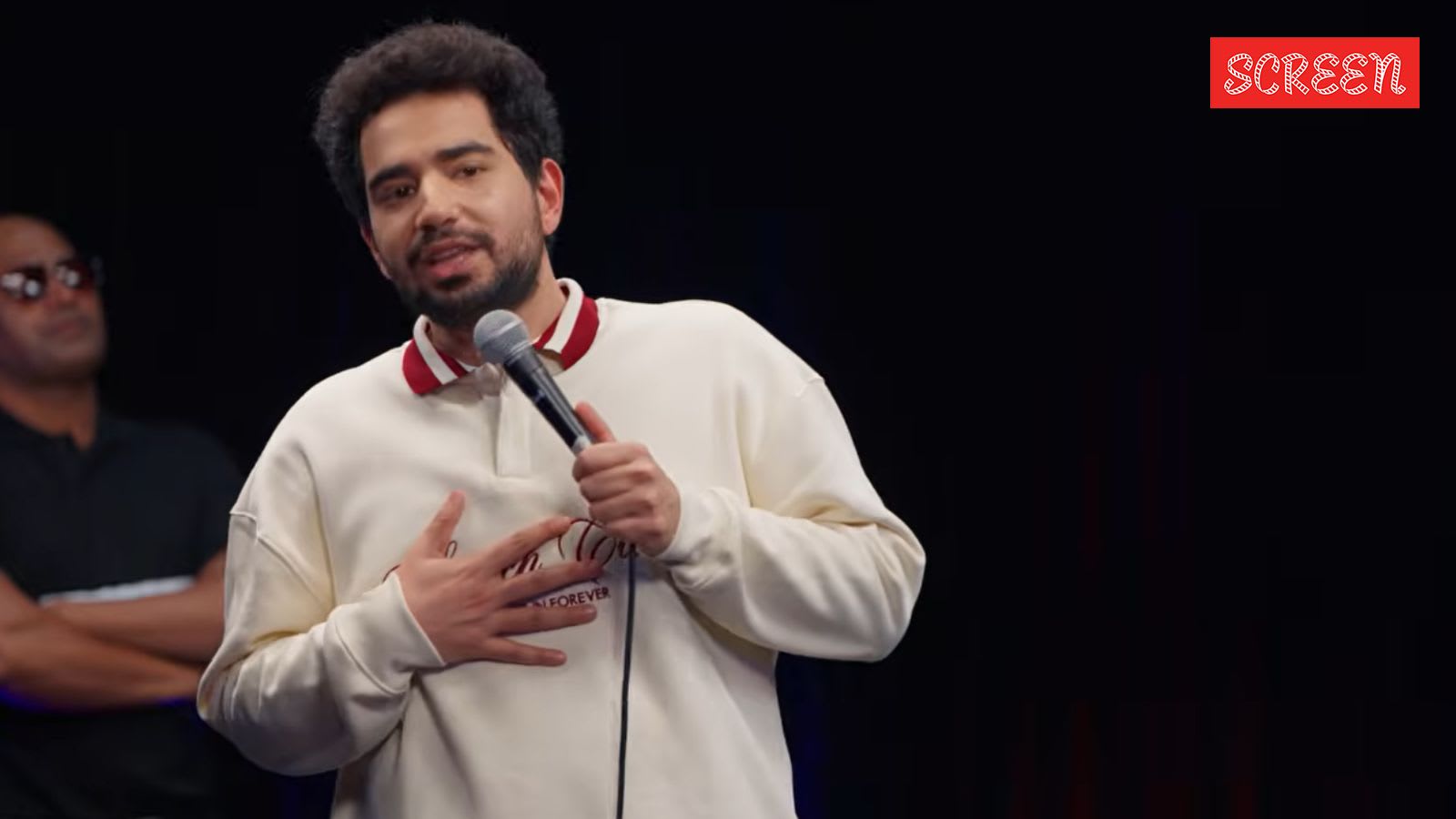
The Supreme Court of India has imposed a fine of Rs 3 lakh each on comedian Samay Raina and popular YouTubers Ranveer Allahbadia and Ashish Chanchlani for defying court orders and attempting to mislead the judiciary.
Judicial Accountability in the Digital Age: Supreme Court Penalizes Top Creators
In a significant assertion of judicial authority, the Supreme Court of India has imposed a stern financial penalty of Rs 3 lakh each on three of the country's most prominent digital personalities: comedian Samay Raina, podcaster Ranveer Allahbadia, and content creator Ashish Chanchlani. The court's decision comes after the trio was found to have defied court directives, with the bench explicitly stating that the individuals had "taken the court for a ride." This ruling marks a critical intersection between the burgeoning influence of the creator economy and the rigid mandates of the Indian legal system.
The Nature of the Defiance
While the specific underlying case that brought these individuals before the court may vary in complexity, the core issue addressed in this particular hearing was the failure to comply with judicial orders. The phrase "taken the court for a ride" suggests a pattern of evasion, misleading statements, or a lack of seriousness in adhering to the court's timeline and requirements. In the eyes of the judiciary, such behavior is not merely a procedural lapse but a challenge to the dignity and authority of the highest court in the land. By imposing a substantial fine, the court aims to signal that no amount of social media following or public popularity grants an individual immunity from legal obligations.
The Profile of the Influencers
The individuals involved represent the vanguard of India's modern digital media landscape. Samay Raina is known for his disruptive comedy and streaming presence; Ranveer Allahbadia (BeerBiceps) operates one of the most influential podcasts in the country; and Ashish Chanchlani is a pioneer of the sketch comedy genre on YouTube. Together, they command an audience of tens of millions, primarily among the youth. The court's decision to penalize these specific figures is noteworthy because it addresses a demographic that often views traditional institutions through a lens of skepticism or irony. The ruling serves as a stark reminder that the "disruptor" persona successful on the internet does not translate to a permissible attitude within a courtroom.
Legal Implications and Contempt
From a legal standpoint, this action aligns with the court's power to punish for contempt or non-compliance. In the Indian legal framework, the Supreme Court possesses inherent powers to ensure that its orders are obeyed to maintain the rule of law. When high-profile citizens ignore or manipulate court processes, it creates a dangerous precedent that could encourage others to treat legal mandates as optional. The Rs 3 lakh fine acts as a punitive measure designed to deter future negligence. This case highlights the court's willingness to use financial penalties as a primary tool for corrective behavior before escalating to more severe sanctions, such as imprisonment for contempt.
Broader Implications for the Creator Economy
This event underscores a growing tension between the 'attention economy' and state institutions. Content creators often build their brands on being unfiltered, rebellious, or operating outside traditional norms. However, as the creator economy matures and influencers move into the realms of business and public discourse, they are increasingly stepping into the gaze of regulatory and judicial bodies. This ruling suggests a shift toward greater accountability for digital celebrities. It indicates that the judiciary is aware of the cultural capital these individuals hold and is keen to ensure that this influence does not evolve into a perceived superiority over the law.
Conclusion and Future Trends
Ultimately, the Supreme Court's decision to fine Samay Raina, Ranveer Allahbadia, and Ashish Chanchlani is a clear message regarding the supremacy of the law over celebrity status. Moving forward, it is likely that we will see increased scrutiny of how public figures interact with legal proceedings, especially those who leverage their platforms to shape public opinion. This case will likely serve as a cautionary tale for other influencers, emphasizing that while they may rule the digital space, they remain subjects of the sovereign legal framework of the state. The resolution of this matter reinforces the principle that judicial decorum and compliance are non-negotiable, regardless of one's subscriber count.