Poster saying ‘Muslims not allowed’ appear at Sinhagad fort entrance, Forest dept removes it
Source Entity
Sushant Kulkarni
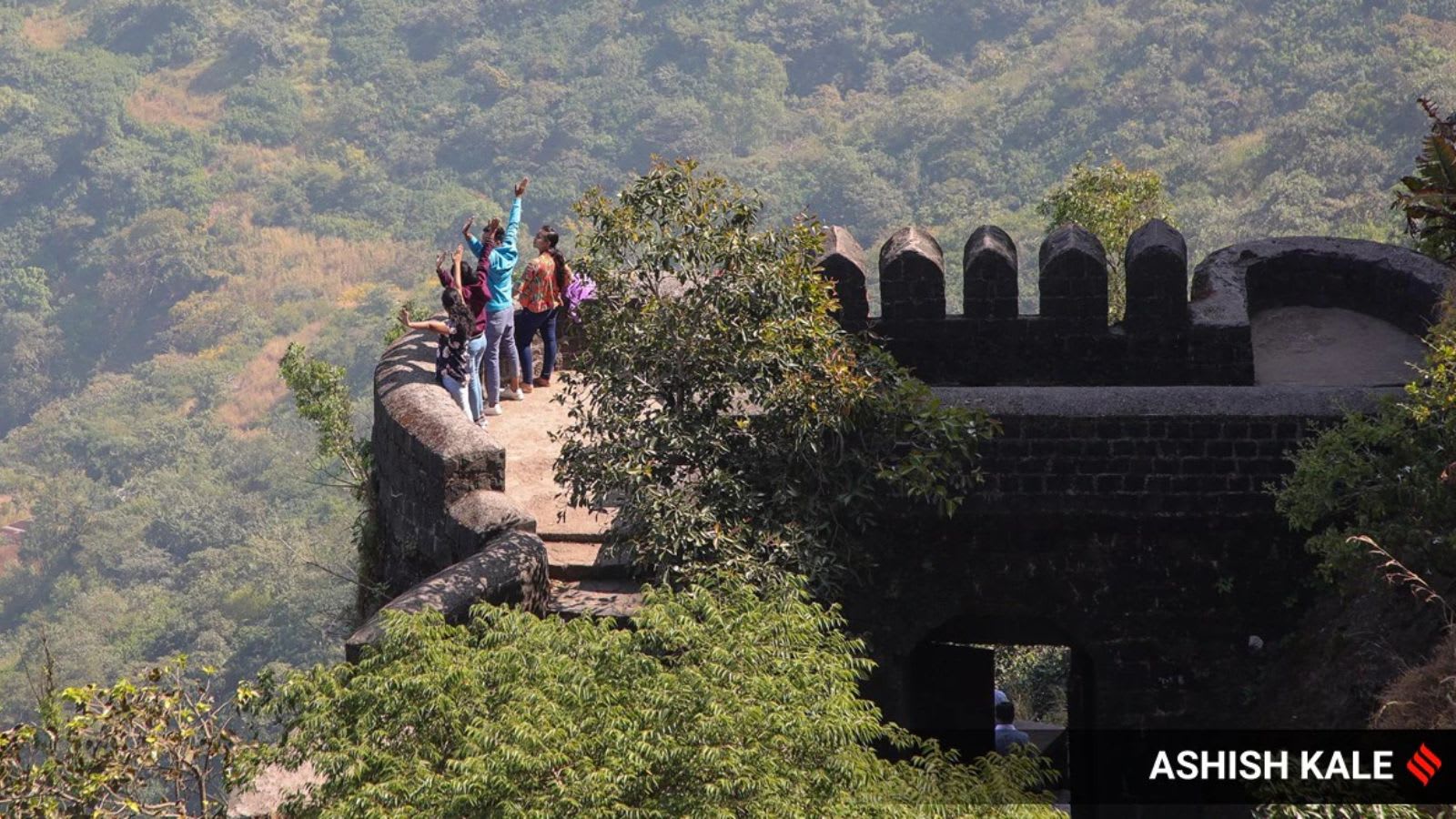
A discriminatory poster stating 'Muslims not allowed' was discovered and promptly removed from the entrance of Sinhagad fort in Pune. The Forest Department took immediate action to clear the sign, and Pune Rural police are currently reviewing CCTV footage to identify the individuals responsible, although no formal complaint has been filed yet.
Hate Speech and Heritage: Analyzing the Sinhagad Fort Incident
Incident Overview and Immediate Response
In a concerning display of communal exclusion, a poster explicitly stating that 'Muslims are not allowed' was placed at the entrance of the historic Sinhagad fort in Pune. The incident sparked immediate concern regarding the safety and inclusivity of one of Maharashtra's most cherished landmarks. The Forest Department, which manages the area, acted swiftly to remove the discriminatory signage to prevent further escalation or potential clashes between visitors. This rapid administrative response indicates a priority to maintain public order and uphold the legal standard that public monuments are open to all citizens regardless of faith.
Historical Context and Symbolic Significance
Sinhagad fort holds immense historical and emotional value for the people of Maharashtra, particularly as a symbol of the bravery of Chhatrapati Shivaji Maharaj and the Maratha Empire. Because the fort is deeply tied to regional identity and pride, it occasionally becomes a flashpoint for fringe elements seeking to assert a narrow, exclusionary definition of cultural heritage. The attempt to ban a specific community from the site is not merely an act of vandalism but an attempt to weaponize historical pride to marginalize a minority group, reflecting a broader trend of 'cultural gatekeeping' seen in various parts of the country.
Legal Implications and Police Investigation
From a legal standpoint, the placement of such a poster constitutes a provocative act that could be classified under laws prohibiting the promotion of enmity between different groups on grounds of religion. The Pune Rural police have adopted a proactive approach by reviewing CCTV footage from access routes to identify the suspects. The fact that no formal complaint has been received yet suggests that while the state is acting on its own volition to maintain law and order, the legal process will fully ignite once a First Information Report (FIR) is lodged. The reliance on digital surveillance highlights the increasing importance of technology in solving hyper-local crimes of hate.
Broader Societal Implications
This event reflects a simmering tension where public spaces and heritage sites are used as canvases for communal messaging. When exclusionary signs appear at landmarks, it sends a chilling message to minority communities, potentially deterring them from engaging with their own national heritage. Such acts are often designed to test the boundaries of administrative tolerance and to gauge the public's reaction. By removing the poster quickly, the authorities have signaled that discriminatory rhetoric will not be permitted in public spaces, thereby mitigating the risk of the incident evolving into a larger communal disturbance.
Future Trends and Preventative Measures
Looking forward, this incident underscores the need for enhanced security and surveillance at high-traffic heritage sites. As these locations become centers for both tourism and political symbolism, the likelihood of 'symbolic vandalism' may increase. We can expect a shift toward more stringent monitoring of entrances and a more robust deployment of security personnel during festivals or politically charged periods. Furthermore, there is a growing need for community-led initiatives to promote the inclusive history of these forts, ensuring that the legacy of bravery and justice associated with them is not overshadowed by modern-day sectarianism.
Conclusion
While the physical poster was removed quickly, the underlying sentiment it represented remains a challenge for social cohesion. The swift action by the Forest Department and the investigative efforts of the Pune Rural police are critical steps in upholding the rule of law. However, the long-term solution lies in ensuring that historical sites remain inclusive spaces that celebrate a shared national identity rather than becoming battlegrounds for communal identity politics.