NYC heatwave: Why is New York opening hundreds of cooling centres?
Source Entity
The Indian Express
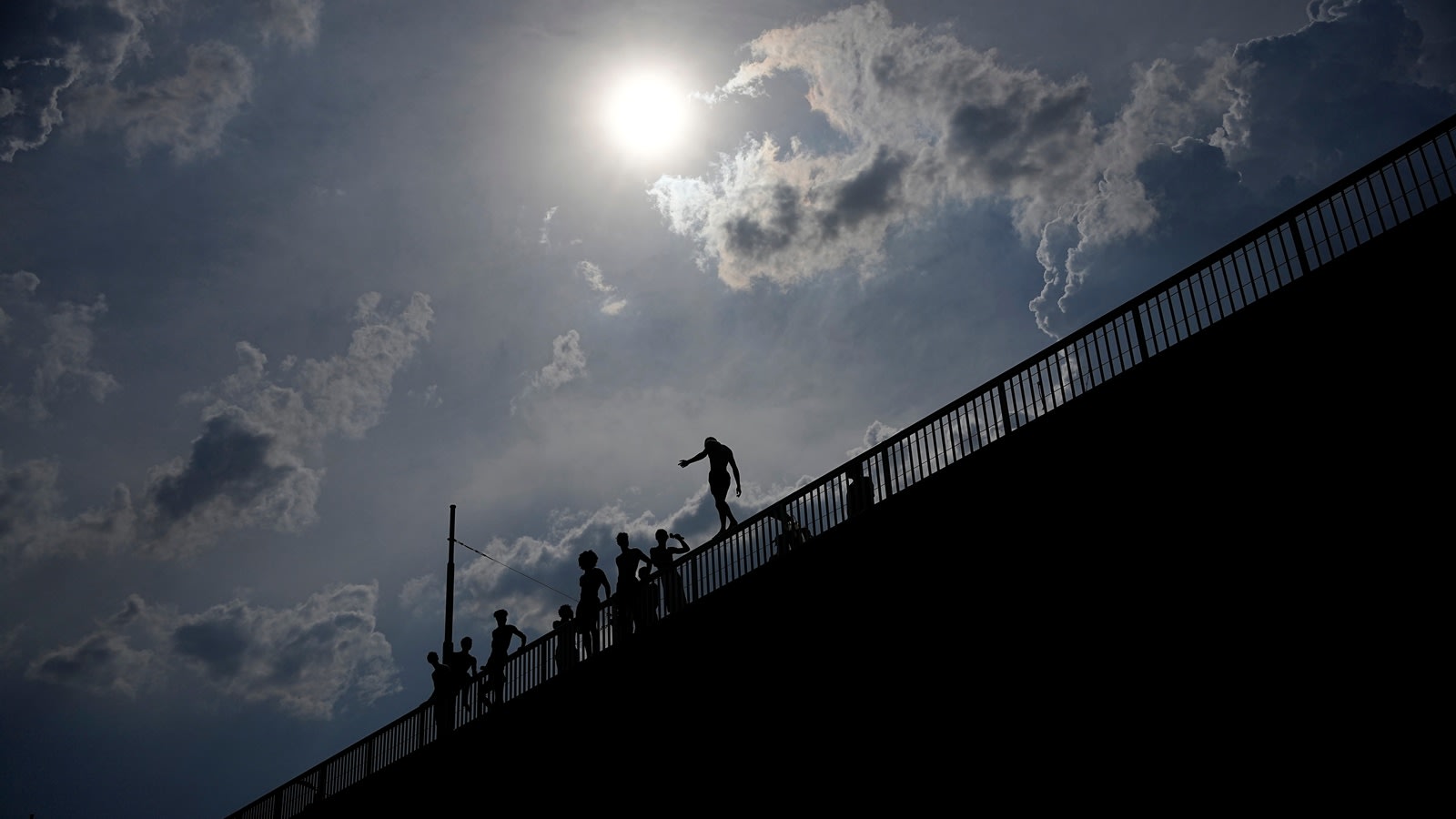
New York City has activated hundreds of cooling centers to provide relief and protect vulnerable residents during an intense heatwave, mitigating risks of heat-related illnesses and death.
NYC's Emergency Response to Extreme Heat
New York City is currently grappling with a significant heatwave, an event that has triggered the emergency activation of hundreds of cooling centers across the five boroughs. These facilities, which primarily include public libraries, community centers, and senior centers, serve as vital sanctuaries for residents who lack access to air conditioning. This proactive measure is part of the city's broader strategy to mitigate the health risks associated with extreme thermal stress, ensuring that the most vulnerable populations have a safe environment to regulate their body temperatures.
The Strategic Deployment of Cooling Centers
The decision to open these centers is not merely a convenience but a critical public health intervention. Heat-related illnesses, such as heat exhaustion and heatstroke, can escalate rapidly into medical emergencies, particularly when high humidity prevents the body from cooling itself through perspiration. By providing free, air-conditioned spaces, the city aims to reduce the burden on emergency medical services and prevent fatalities. These centers are strategically distributed to ensure that residents in high-density, under-resourced neighborhoods have a reachable destination during peak temperature hours.
Understanding the Urban Heat Island Effect
To understand why New York City is so susceptible to these events, one must consider the "Urban Heat Island" (UHI) effect. NYC's dense architecture—characterized by vast expanses of asphalt roads, concrete buildings, and a relative lack of expansive green canopies in certain boroughs—absorbs and retains heat far more efficiently than surrounding rural areas. This phenomenon means that even after the sun sets, the city's infrastructure continues to radiate heat, denying residents the nocturnal cooling necessary for the human body to recover from daytime heat exposure.
Socio-Economic Vulnerabilities and Public Health
The necessity of cooling centers highlights a stark socio-economic divide within the metropolis. While many residents have access to central air conditioning, a significant portion of the population lives in older tenements or low-income housing where AC is either physically unavailable or financially unaffordable due to soaring electricity costs. The elderly, the homeless, and those with chronic health conditions are particularly at risk. Consequently, the city's initiative is as much a social welfare effort as it is a weather response, aiming to bridge the gap in climate resilience across different income brackets.
Climate Change and the Necessity of Adaptation
This specific heatwave is indicative of a larger, global trend of rising average temperatures. As climate change accelerates, extreme heat events are becoming more frequent, intense, and prolonged. For a metropolis like New York, this necessitates a shift from purely reactive measures—such as opening centers during a crisis—to proactive urban redesign. This includes expanding the city's tree canopy to provide natural shade and implementing "cool roof" initiatives that use reflective materials to reduce the amount of heat absorbed by buildings.
Future Trends in Urban Heat Management
Looking ahead, it is likely that New York City will integrate more technology into its heat response systems. We can expect the development of more sophisticated early-warning systems and the integration of cooling center locations into real-time mobile applications to guide residents efficiently. Furthermore, there will likely be increased pressure to update building codes, requiring energy-efficient cooling systems in all residential units to reduce the systemic dependence on public cooling centers during summer peaks.
Conclusion
In summary, the opening of hundreds of cooling centers is a necessary and life-saving immediate response to a dangerous heatwave. While these centers provide a critical safety net in the short term, they also serve as a reminder of the urgent need for long-term urban climate adaptation. By addressing the Urban Heat Island effect and protecting its most vulnerable citizens, New York City is navigating the challenging intersection of public health, social equity, and environmental crisis.