Ukraine’s drone attack on Moscow completely destroyed? 35 FPVs smuggled in tiles, shocking footage
Source Entity
Latest News: Today's Latest News Headlines from India & World | Hindustan Times | Hindustan Times
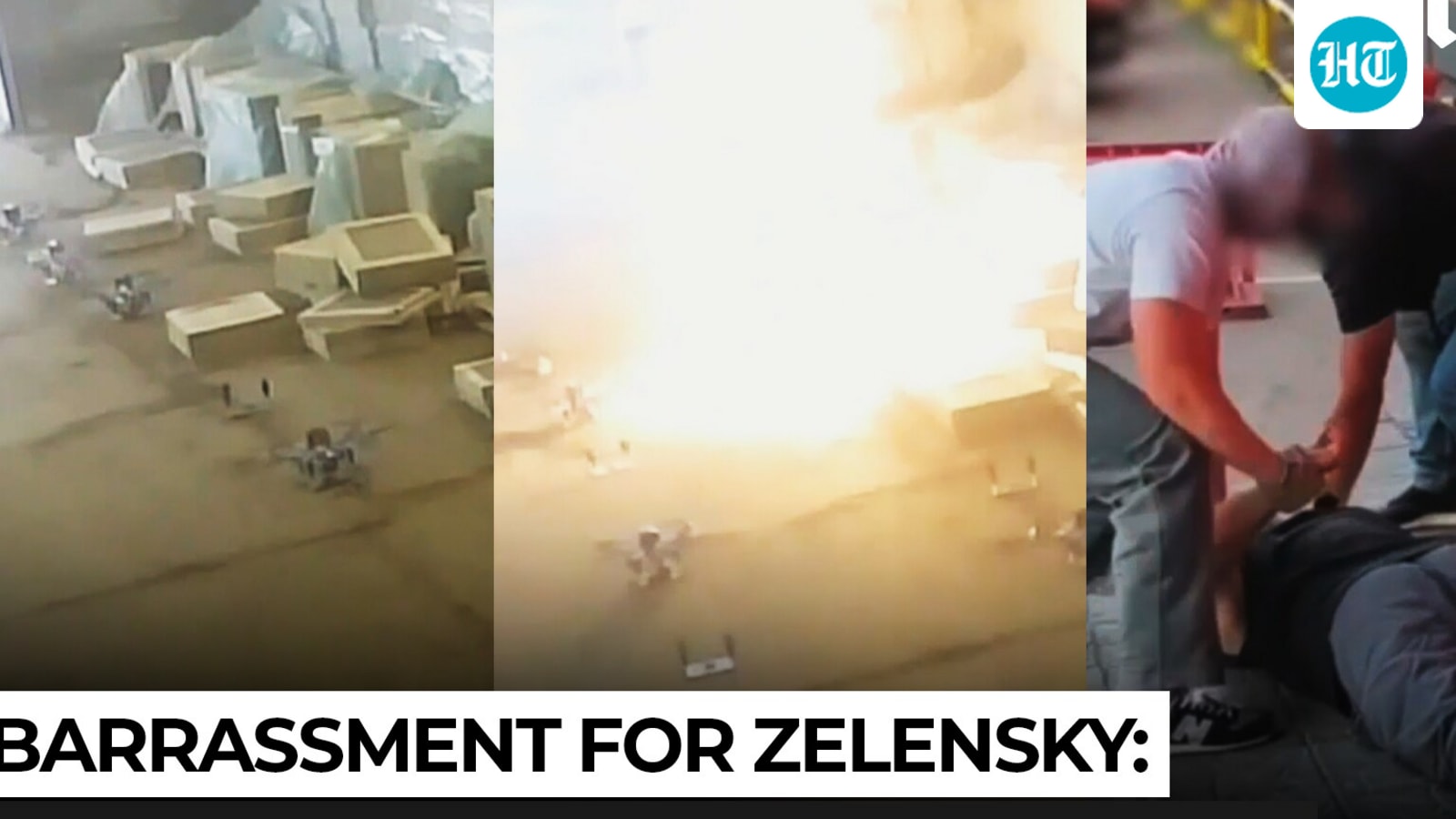
Russia's Federal Security Service (FSB) claims to have thwarted a Ukrainian drone attack on a strategic site in Moscow, seizing 35 FPV drones that were allegedly smuggled into the country via Europe hidden in tiles.
Analysis of the Foiled Drone Attack on Moscow
Introduction to the Escalating Drone War
The ongoing conflict between Russia and Ukraine has increasingly evolved into a high-stakes war of attrition characterized by the pervasive use of unmanned aerial vehicles (UAVs). The recent announcement by Russia's Federal Security Service (FSB) regarding the prevention of a drone attack on a strategic site in Moscow highlights the shifting nature of the battlefield. By bringing the conflict directly to the heart of the Russian capital, the operational focus has expanded from the front lines in the Donbas and Kharkiv to the administrative and political centers of power, intensifying the psychological pressure on the Russian state.
The Logistics of the Seizure
According to the FSB, the operation resulted in the seizure of 35 First Person View (FPV) drones. The most striking detail of this report is the alleged method of transport: the drones were reportedly smuggled into Russia from Europe, concealed within shipments of tiles. This suggests a sophisticated logistics operation designed to bypass customs and border security through the use of commercial cover. The use of 'dual-use' technology—commercial drones repurposed for military strikes—creates a significant challenge for security services, as these items often blend in with legitimate trade goods until they are assembled and deployed.
Strategic Implications of Targeting Moscow
The targeting of a "strategic site" in Moscow is a calculated move intended to demonstrate that no location within Russia is beyond the reach of Ukrainian capabilities. While the FSB claims the attack was completely destroyed and foiled, the attempt itself underscores a strategy of asymmetry. By utilizing small, agile FPV drones rather than large, detectable cruise missiles or long-range UAVs, the attackers aim to penetrate dense urban air defenses. Such attacks are designed not only to cause physical damage but to erode the sense of security among the Russian leadership and the general populace.
The Role of FPV Drones in Modern Asymmetric Warfare
FPV drones have revolutionized modern combat due to their low cost, high maneuverability, and precision. Unlike larger drones that rely on GPS or pre-programmed flight paths, FPV drones are piloted in real-time, allowing the operator to steer the craft directly into a specific window, vent, or target. The seizure of 35 such units indicates a planned operation of significant scale, likely intended to saturate defenses or strike multiple points of a single facility simultaneously to ensure a successful breach.
Geopolitical Tensions and Smuggling Routes
The FSB's allegation that the drones were smuggled through Europe adds a layer of geopolitical complexity to the event. It implies the existence of a clandestine network of intermediaries and suppliers operating across international borders. This claim serves a dual purpose for the Russian narrative: it highlights the security threat and implicitly accuses Western-aligned territories of facilitating the movement of weaponry into Russia, further straining the already severed diplomatic ties between Moscow and the European Union.
Conclusion and Future Outlook
This incident is emblematic of the current 'cat-and-mouse' game between Ukrainian intelligence and Russian counter-intelligence. As drone technology becomes more accessible and delivery methods more creative, the security of strategic hubs like Moscow will require increasingly stringent surveillance and tighter border controls. The foiled attack demonstrates that while Russia's internal security apparatus remains vigilant, the threat of asymmetric strikes continues to evolve, ensuring that the air space over Russian cities remains a critical front in the wider conflict.
Verification Required?