India issues urgent message on Strait of Hormuz, drops stunning statements on Nijjar & Pakistan
Source Entity
Latest News: Today's Latest News Headlines from India & World | Hindustan Times | Hindustan Times
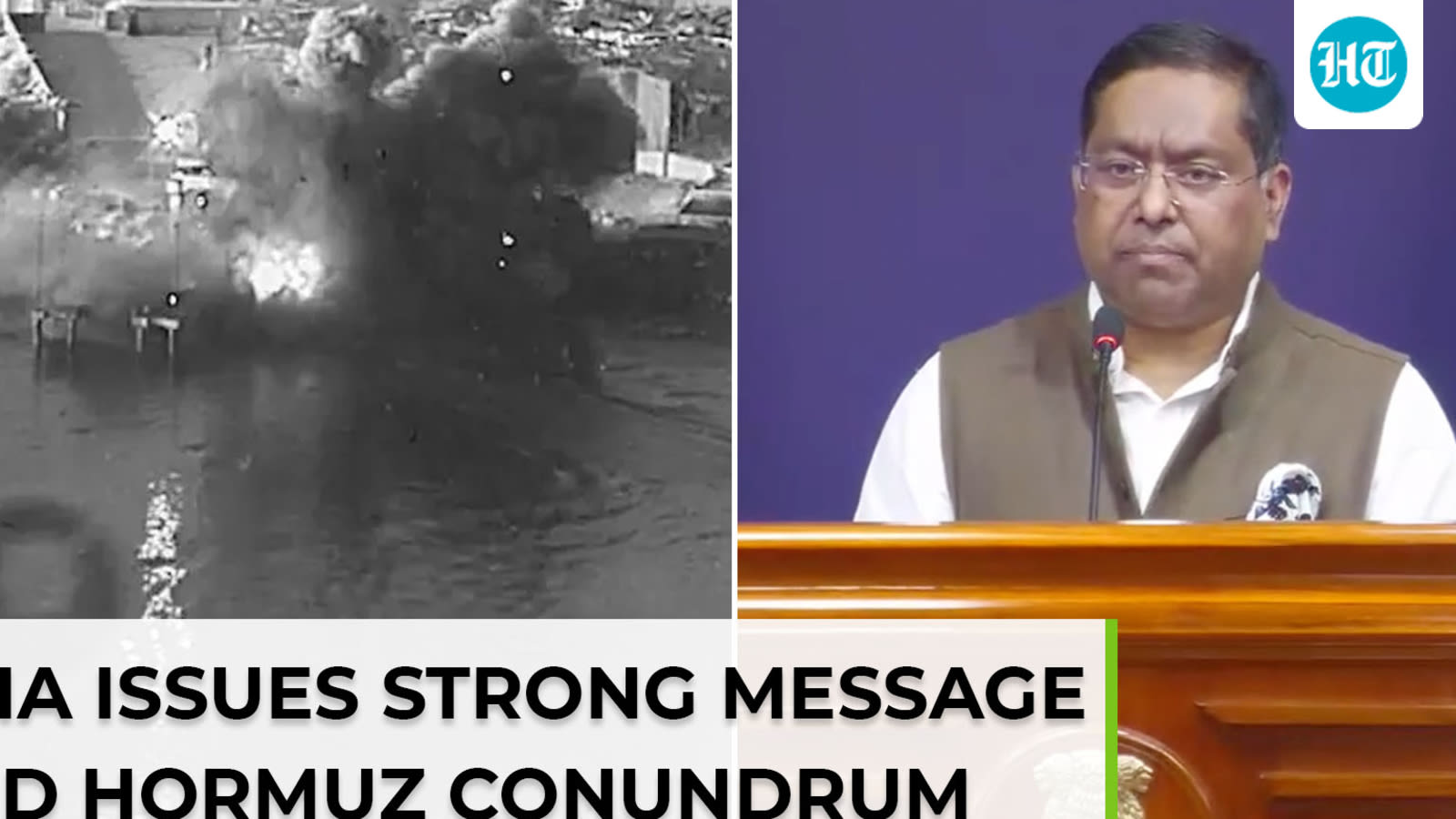
India has lodged a strong diplomatic protest with Iran following an attack on the Galaxy vessel off the coast of Oman. External Affairs Minister S. Jaishankar has emphasized the critical need for maritime security, the safety of Indian nationals, and the preservation of freedom of navigation in the volatile Strait of Hormuz.
India's Diplomatic Stand on Maritime Security in the Gulf
The Incident and Immediate Diplomatic Response
India has officially registered its strongest diplomatic protest with Iran following a targeted attack on the Galaxy vessel off the coast of Oman. This incident, occurring in one of the world's most sensitive maritime corridors, has prompted a swift and stern reaction from New Delhi. External Affairs Minister S. Jaishankar, during his strategic Gulf outreach, has placed the safety of maritime assets and Indian personnel at the forefront of the diplomatic agenda. The severity of the protest underscores India's refusal to overlook threats to its commercial interests and the lives of its citizens operating in international waters.
The Strategic Significance of the Strait of Hormuz
To understand the gravity of this event, one must consider the geographical and economic importance of the Strait of Hormuz. As a critical chokepoint for global oil transit, any instability in this region has a direct ripple effect on global energy prices and supply chain stability. For India, which relies heavily on energy imports from the Gulf region, the security of this waterway is not merely a matter of diplomatic preference but a core national security interest. An attack on a vessel like the Galaxy serves as a reminder of how vulnerable commercial shipping is to regional geopolitical frictions, potentially threatening India's energy security.
Freedom of Navigation and International Law
Central to Minister Jaishankar's communication is the principle of 'freedom of navigation.' This international legal standard ensures that vessels can transit through strategic waterways without fear of unlawful interference. By emphasizing this point, India is aligning itself with global maritime norms while signaling to regional powers—specifically Iran—that the disruption of commercial shipping is unacceptable. The insistence on freedom of navigation is a strategic move to ensure that India's trade routes remain open and that its merchant navy can operate without the looming threat of state-sponsored or proxy aggression.
Protecting Indian Nationals Abroad
Beyond the economic implications, the human element is a primary driver of India's urgency. A significant portion of the crew members on commercial vessels traversing the Gulf are Indian nationals. The attack on the Galaxy vessel puts these individuals in direct harm's way, transforming a geopolitical dispute into a humanitarian concern. New Delhi's insistence on the safety of its nationals reflects a broader policy shift toward a more proactive and assertive protection of the Indian diaspora and workforce globally, ensuring that the Indian government acts as a strong deterrent against the endangerment of its citizens.
Regional Tensions and the Iran-India Dynamic
The decision to lodge the protest specifically with Iran highlights the complex diplomatic dance India must perform in West Asia. While India seeks to maintain functional relations with Tehran for strategic reasons, including connectivity projects and regional stability, it cannot ignore actions that jeopardize its maritime security. This incident likely exacerbates existing tensions, forcing India to balance its pragmatic engagement with Iran against the need to protect its assets. The 'strongest diplomatic protest' suggests that India is willing to risk temporary diplomatic friction to establish a clear boundary regarding its security red lines.
Broader Implications for Gulf Diplomacy
This event is likely to influence India's broader 'Gulf outreach' strategy. It signals to other regional players, including Oman and Saudi Arabia, that India is committed to a secure and stable maritime environment. We can expect India to increase its naval surveillance and perhaps enhance its coordination with other international maritime task forces to ensure the safety of its vessels. The incident reinforces the necessity for India to diversify its security partnerships in the region to avoid over-reliance on any single state for the safety of its trade routes.
Conclusion and Future Outlook
In summary, the attack on the Galaxy vessel has acted as a catalyst for India to reaffirm its commitment to maritime security and the protection of its citizens. By leveraging the diplomatic weight of the External Affairs Ministry, India is sending a clear message that it will not remain passive in the face of maritime threats. Looking forward, the trend will likely move toward increased naval presence and a more rigorous diplomatic framework for maritime safety in the Strait of Hormuz. The resolution of this specific protest will serve as a litmus test for India's ability to navigate the volatile waters of Gulf politics while safeguarding its national interests.
Verification Required?