Chennai Metro Rail to club phase-I extension with proposed phase-III network
Source Entity
India Latest News: Top National Headlines Today & Breaking News | The Hindu
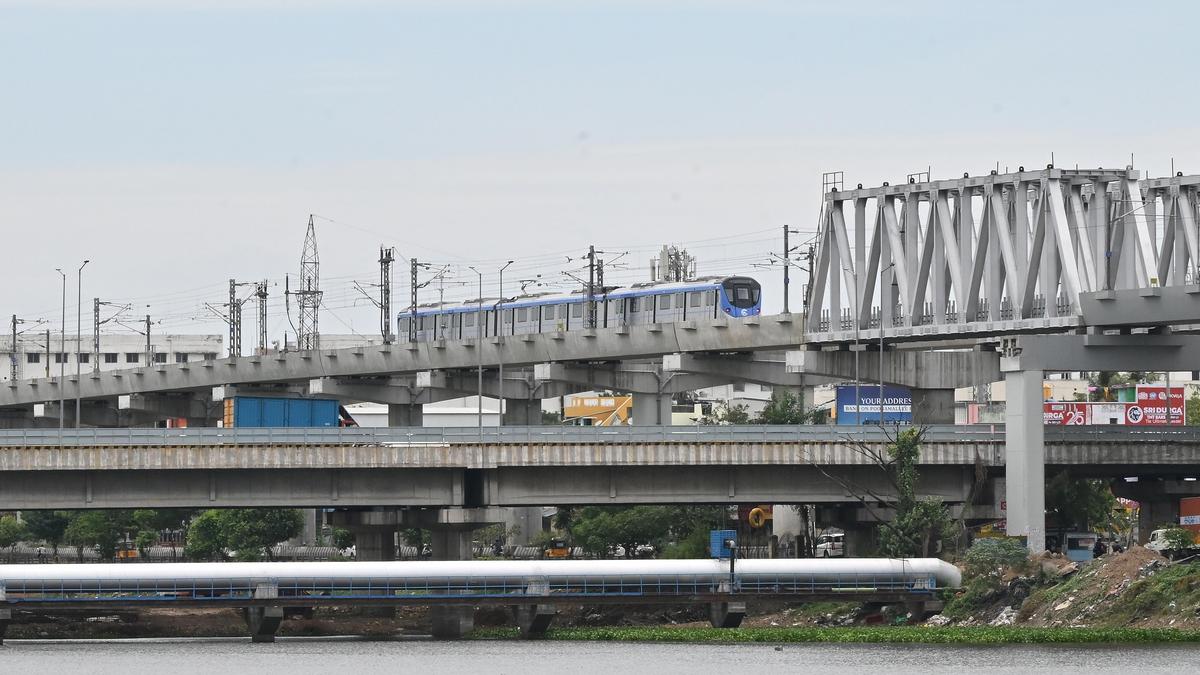
Chennai Metro Rail Limited (CMRL) is planning to integrate the proposed extension stretches of Phase-I into the upcoming Phase-III network. This strategic consolidation aims to streamline the city's transit expansion efforts while the massive Phase-II project is currently under construction.
Strategic Realignment of Chennai's Urban Transit
Chennai Metro Rail Limited (CMRL) has embarked on a strategic restructuring of its expansion roadmap by deciding to club the proposed Phase-I extension stretches into the upcoming Phase-III network. This move comes at a critical juncture when Phase-II is already under active construction, signaling a shift toward a more integrated approach to urban mobility. By consolidating these extensions into a larger, cohesive phase, CMRL is effectively streamlining its administrative and operational planning to ensure that the city's transit growth is not fragmented but follows a logical, scalable trajectory.
Optimizing Network Cohesion and Connectivity
The decision to merge Phase-I extensions into Phase-III is likely driven by the need for better network cohesion. Phase-I established the primary skeletal framework of the metro system; however, extensions are often required to bridge the gap between major hubs and high-density residential or commercial pockets. By incorporating these into Phase-III, CMRL can design a more holistic transit map that accounts for the ridership patterns established during the operation of Phase-I and the projected growth from Phase-II. This prevents the 'island effect' where small extensions are built in isolation, ensuring instead that the Phase-III network functions as a comprehensive web that maximizes passenger throughput.
Synchronization with Phase-II Progress
While the Phase-II project is currently the primary focus of CMRL's engineering and financial resources, the planning of Phase-III (including the Phase-I extensions) allows the organization to maintain a continuous pipeline of development. Infrastructure projects of this magnitude often suffer from 'planning gaps' where the momentum slows down between phases. By defining the Phase-III network now, CMRL ensures that as Phase-II nears completion, the transition to the next stage of expansion is seamless. This synchronization is vital for maintaining investor confidence and ensuring that the city's transit capacity grows in tandem with its expanding urban footprint.
Financial and Administrative Implications
From a financial perspective, grouping smaller extension projects into a larger 'Phase-III' package is a savvy move for securing funding. International funding agencies, such as the Japan International Cooperation Agency (JICA), often prefer financing large-scale, comprehensive transit networks over fragmented, small-scale extensions. By presenting a unified Phase-III plan, CMRL can potentially negotiate better loan terms and streamline the procurement process. Administratively, this reduces the overhead associated with managing multiple small-scale tenders and contracts, consolidating them into a broader strategic framework that is easier to monitor and execute.
Impact on Urban Mobility and Future Trends
For the commuters of Chennai, this realignment promises a more thoughtful expansion of the metro. The integration of these extensions suggests that CMRL is prioritizing 'last-mile connectivity' and the filling of critical gaps in the existing network. As Chennai continues to grow as a major economic hub, the reliance on a robust mass transit system becomes paramount to reducing road congestion and lowering the city's carbon footprint. The trend toward 'clustering' phases indicates a move toward Transit-Oriented Development (TOD), where urban growth is concentrated around transit hubs to create more sustainable, walkable cities.
Conclusion
In summary, the integration of Phase-I extensions into the proposed Phase-III network represents a sophisticated approach to urban planning by CMRL. By aligning these projects, the agency is not only optimizing its financial and administrative workflows but also ensuring that Chennai's metro system evolves into a truly comprehensive urban artery. This strategic shift underscores a long-term vision for the city, ensuring that the transition from the current construction of Phase-II to the future implementation of Phase-III is characterized by continuity, efficiency, and a deep commitment to enhancing the city's overall mobility.
Verification Required?