No water cut till July 22: Pune Mayor rejects civic chief’s plan
Source Entity
The Indian Express
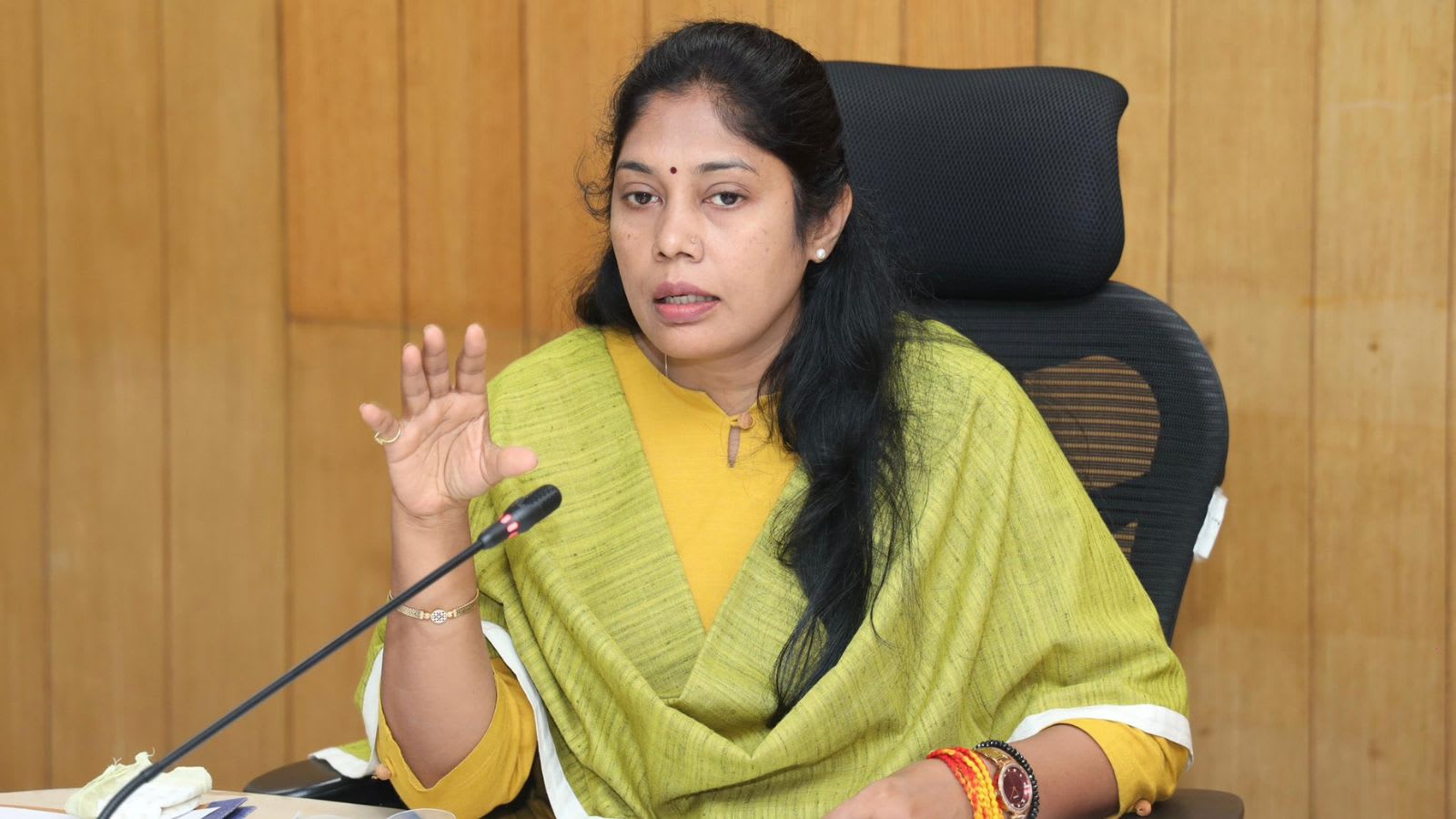
Pune Mayor Manjusha Nagpure has rejected the Pune Municipal Corporation (PMC) administration's proposal to implement water cuts, ensuring citizens will have an uninterrupted water supply until July 22.
Governance Clash Over Pune's Water Security
In a significant display of friction between the administrative and political wings of the Pune Municipal Corporation (PMC), Mayor Manjusha Nagpure has explicitly rejected the civic chief's proposal to implement water cuts. By announcing that there will be no reductions in water supply until July 22, the Mayor has positioned herself as a shield for the citizenry against the technical mandates of the city's bureaucracy. This conflict underscores a recurring theme in urban Indian governance: the tension between sustainable resource management and the immediate needs of the voting public.
The Administrative vs. Political Divide
At the heart of this dispute is a classic struggle between the 'Civic Chief'—an appointed bureaucrat responsible for the technical and logistical viability of the city—and the Mayor, an elected representative accountable to the people. The administration's plan for water cuts likely stems from data-driven concerns regarding reservoir levels and the need to stretch existing supplies to avoid a total collapse of the system during peak scarcity. However, the Mayor's rejection of this plan highlights the political sensitivity of water access. In a densely populated city like Pune, water cuts are not merely an inconvenience but a catalyst for public unrest and political instability.
Contextualizing Pune's Water Challenges
Pune has historically struggled with balancing its rapid industrial and residential growth with its water infrastructure. The city relies heavily on a network of dams and reservoirs, which are subject to the unpredictability of the monsoon. When rainfall is inconsistent, the PMC administration often resorts to 'water cuts' to ensure that the city does not run completely dry before the next rainy season. This cyclical crisis points to a deeper systemic issue where the city's expansion has outpaced its water-harvesting and distribution capabilities, making the administration's desire for austerity clash with the citizens' expectations of basic utility stability.
Broader Implications for Urban Management
This specific disagreement has broader implications for how Pune is governed. When the elected body overrides the technical advice of the administrative wing, it creates a precarious situation. While the Mayor's decision provides immediate relief to residents, it potentially risks a more severe shortage if the administration's warnings about water levels were accurate. This 'short-term gain vs. long-term risk' dynamic is a common feature of municipal politics, where the immediate avoidance of public dissatisfaction is often prioritized over stringent conservation measures.
Future Trends and Sustainability
Looking forward, this event suggests that Pune must move beyond the 'cut or no-cut' debate and invest in sustainable water alternatives. The trend of urban governance in Maharashtra is shifting toward a need for integrated water management, including large-scale rainwater harvesting and the recycling of greywater. If the PMC continues to rely on seasonal reservoir levels and political interventions to manage supply, the city will likely face increasingly volatile water crises. The current standoff serves as a wake-up call for the need for a transparent, data-driven water policy that is insulated from political volatility.
Conclusion
Ultimately, Mayor Manjusha Nagpure's decision to block water cuts until July 22 provides a temporary reprieve for the people of Pune, but it exposes a rift in the city's leadership. While the move is a political victory for the Mayor, the underlying technical concerns raised by the civic chief cannot be ignored. The resolution of this conflict will depend on whether the administration can find a middle ground that ensures water security without triggering public outcry.