Pimpri-Chinchwad’s Moshi depot partially reopened, 6 days after collapse that killed nine
Source Entity
MANOJ MORE
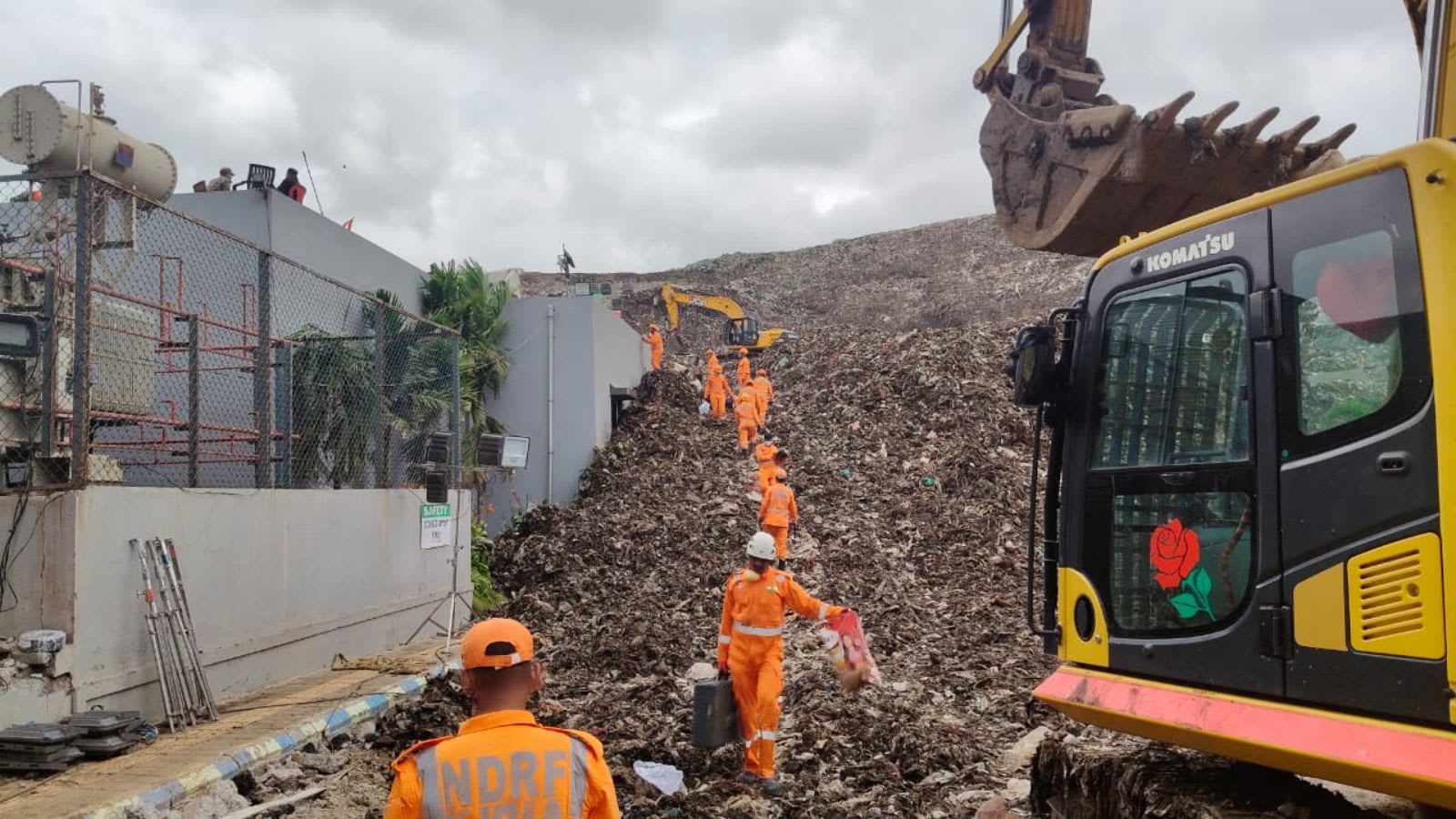
The Moshi garbage depot in Pimpri-Chinchwad has partially reopened six days after a catastrophic landfill collapse on July 8, which claimed nine lives during heavy monsoon rains.
Tragedy at Moshi: Analyzing the Landfill Collapse and Recovery
Six days after a devastating structural failure at the Moshi garbage depot in Pimpri-Chinchwad, authorities have announced a partial reopening of the facility. The incident, which occurred on July 8, serves as a grim reminder of the inherent dangers associated with uncontrolled urban waste accumulation. A massive portion of a 'waste mountain' collapsed under the pressure of heavy monsoon rains, burying the administrative building of a waste-to-energy project and resulting in the deaths of nine individuals. The reopening of the depot, while necessary for the city's sanitation logistics, comes amidst a period of mourning and intense scrutiny regarding safety protocols at waste management sites.
The Mechanics of the Disaster
The collapse was triggered by a combination of extreme weather and structural instability. In many Indian urban centers, landfills evolve into towering 'waste mountains' that lack proper engineering or stabilization. When heavy rains saturate these mounds, the waste becomes heavy and unstable, increasing the likelihood of landslides. In this specific instance, the debris surged directly into the administrative building of a waste-to-energy project. The irony of this event is profound: a facility designed to scientifically manage and reduce waste became a victim of the very waste it was meant to process, highlighting a critical gap between the ambition of green technology and the reality of existing waste infrastructure.
Broader Implications of Waste Management Failures
This tragedy underscores a systemic issue within urban planning and waste disposal across the region. The reliance on open dumping grounds, rather than sanitary landfills, creates ticking time bombs in residential and industrial peripheries. The Moshi incident is not an isolated case of misfortune but a symptom of the 'landfill crisis' where the volume of waste generated far exceeds the capacity for safe disposal. The collapse demonstrates that without proper slope stability analysis and drainage systems, these waste mountains pose a lethal threat to workers and nearby administrative staff, especially during the monsoon season when soil and waste cohesion is at its lowest.
The Role of Waste-to-Energy Initiatives
The fact that the administrative building of a waste-to-energy project was hit suggests a failure in site selection and risk assessment. While waste-to-energy projects are essential for reducing the footprint of landfills, the proximity of administrative and operational hubs to unstable waste mounds is a significant safety oversight. For such projects to be successful and safe, there must be a strict separation between the 'active' waste accumulation zones and the structural hubs of the plant. This event will likely prompt a review of how these facilities are mapped and constructed in Pimpri-Chinchwad and similar municipal corporations.
Future Trends and Necessary Reforms
Looking forward, this disaster is likely to accelerate the shift toward 'zero-waste' models and the urgent decommissioning of legacy landfills. We can expect a push for 'landfill mining'—the process of excavating and processing old waste to reclaim land and stabilize the terrain. Furthermore, there will likely be increased pressure on the municipal government to implement stricter safety audits and early warning systems for landfill stability during heavy rainfall. The partial reopening of the Moshi depot is a temporary logistical fix, but the long-term solution requires a complete overhaul of how the city handles its solid waste to ensure such a loss of life never recurs.
Conclusion
The partial reopening of the Moshi depot marks the beginning of a return to normalcy, but the psychological and structural scars remain. The loss of nine lives is a staggering price to pay for inadequate waste management. This event serves as a critical wake-up call for urban administrators to prioritize the stabilization of waste mountains and the safety of the workers who manage them. Only through scientific landfill management and a commitment to safety over convenience can Pimpri-Chinchwad prevent another monsoon-triggered catastrophe.