Sen. Tim Scott wants to hear from Warsh on data centers and artificial intelligence
Source Entity
US Top News and Analysis
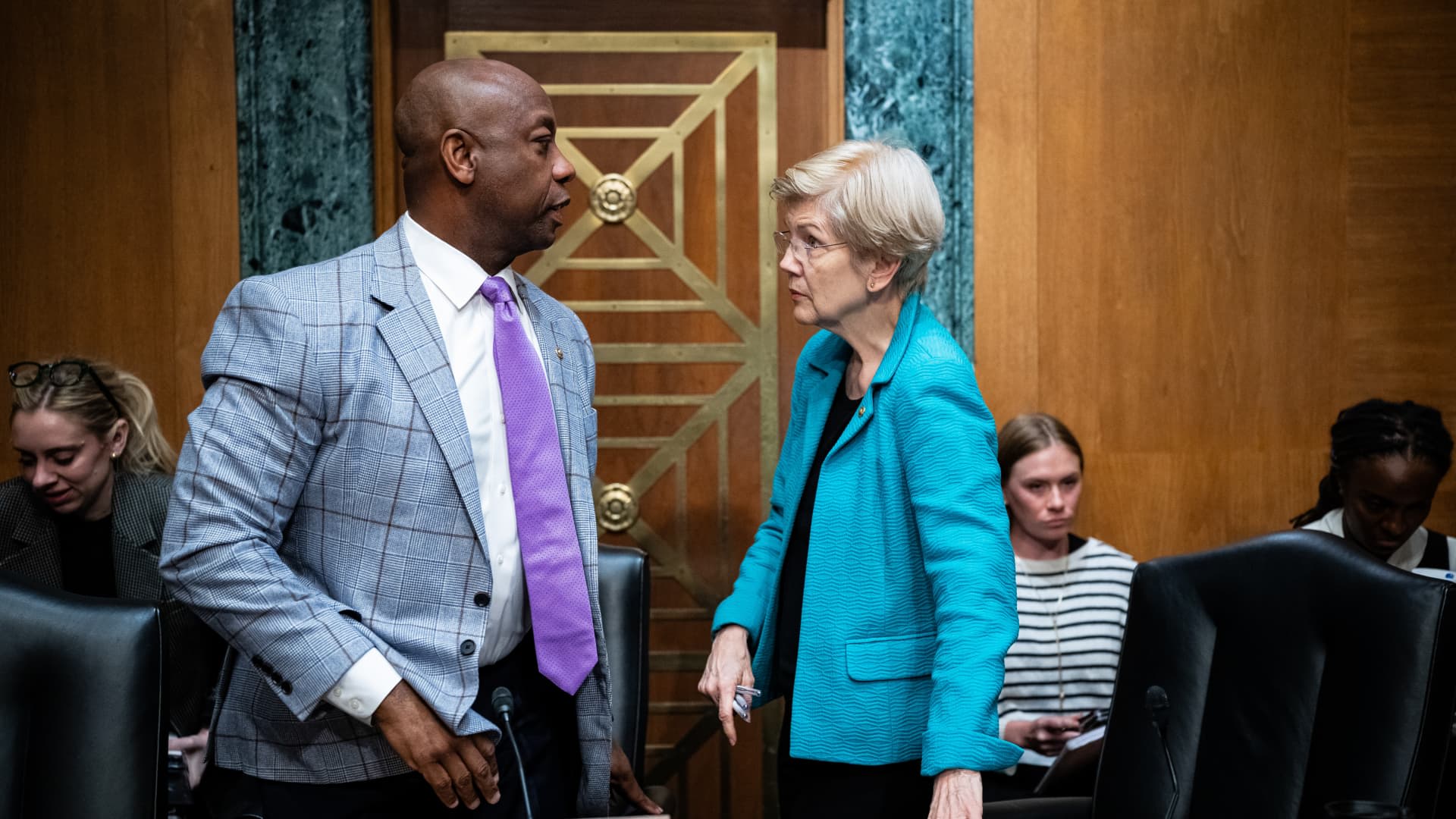
Sen. Tim Scott, R-S.C., will host Kevin Warsh before the Senate Banking Committee on Wednesday for his first time testifying as Fed chairman.
Analysis: The Intersection of Monetary Policy and AI Infrastructure
Senator Tim Scott (R-S.C.) is convening a critical session of the Senate Banking Committee featuring Kevin Warsh, who will testify in the capacity of Fed chairman. This hearing marks a pivotal moment where the traditional oversight of monetary policy intersects with the rapidly evolving landscape of high-tech infrastructure. By focusing specifically on data centers and artificial intelligence (AI), Senator Scott is signaling that the federal government views the physical and financial architecture of AI not merely as a technological trend, but as a systemic economic priority that requires rigorous oversight and strategic planning.
The Economic Weight of Data Centers
Data centers serve as the physical backbone of the digital economy, and their expansion represents a massive shift in capital expenditure (CapEx). For a Banking Committee, the primary concern lies in how these facilities are financed and the risks they pose to the broader financial system. The construction of hyperscale data centers requires billions of dollars in investment, often involving complex loan structures and significant energy infrastructure upgrades. Senator Scott's interest likely stems from the need to understand how the Federal Reserve's interest rate environment influences the viability of these projects, as high borrowing costs can either throttle AI growth or force companies into riskier financing arrangements.
AI as a Macroeconomic Catalyst
Beyond the physical buildings, the focus on artificial intelligence suggests a deep dive into productivity and inflation. From a central banking perspective, AI has the potential to be a massive deflationary force by increasing efficiency and reducing labor costs across various sectors. However, the initial transition period involves staggering costs. Kevin Warsh's testimony will likely address whether the Federal Reserve views the current AI investment boom as a sustainable productivity shift or a speculative bubble. The committee will be keen to understand if the Fed intends to create specific frameworks to support the liquidity needed for AI innovation without overheating the economy.
Political and Regional Implications
Senator Tim Scott's leadership in this inquiry also reflects a broader political strategy to ensure that the economic benefits of the AI revolution are distributed across the United States, particularly in states like South Carolina. The placement of data centers brings high-paying jobs and infrastructure development to local communities, but it also places immense strain on power grids and water resources. By questioning Warsh, Scott is likely seeking a synthesis between national monetary goals and the practical realities of regional economic development, ensuring that the financial mechanisms supporting AI do not overlook the needs of the "heartland" in favor of established tech hubs.
The Role of Kevin Warsh and the Federal Reserve
Kevin Warsh's appearance is particularly significant given his history and expertise in financial stability. As he testifies, the dialogue will likely center on the "systemic importance" of the companies driving the AI race. If a handful of mega-cap tech firms are the sole drivers of market growth and the primary investors in data centers, the Federal Reserve must consider the systemic risk posed by a potential downturn in the AI sector. The hearing will likely explore whether the Fed should implement new monitoring tools to track the correlation between AI infrastructure investment and overall financial stability.
Future Outlook: A New Era of Tech-Centric Banking
Looking forward, this hearing predicts a trend where the Federal Reserve and the Senate Banking Committee will move toward a more integrated approach to technology and finance. We can expect future policy discussions to revolve around "digital collateral" and the valuation of AI-driven assets. As data centers become as critical to the economy as banks or power plants once were, the regulatory framework will likely evolve to treat them as essential infrastructure. This event is a precursor to a broader legislative push to synchronize US monetary policy with the strategic necessity of maintaining a global lead in artificial intelligence.
Conclusion
In summary, the upcoming testimony of Kevin Warsh before Senator Tim Scott represents a sophisticated convergence of finance and technology. By analyzing the financial plumbing of data centers and the macroeconomic trajectory of AI, the Senate Banking Committee is attempting to proactively manage the risks and rewards of the next industrial revolution. The outcome of this dialogue will likely influence how AI infrastructure is funded and regulated for years to come.