Haunted houses are in demand in Japan
Source Entity
Latest News: Today's Latest News Headlines from India & World | Hindustan Times | Hindustan Times
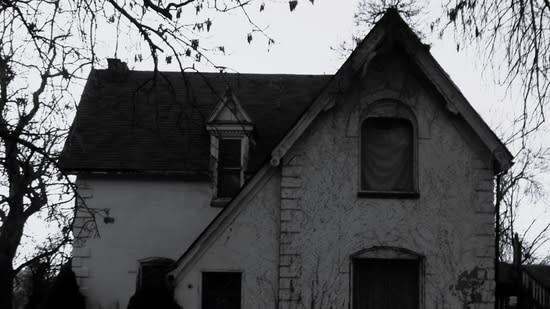
Japan is experiencing a unique real estate trend where 'jiko bukken,' or incident properties associated with tragic deaths, are seeing increased demand due to steep discounts.
The Paradox of the Haunted Home: Understanding Japan's 'Jiko Bukken' Market
In a surprising twist within the Japanese real estate market, properties known as jiko bukken—literally translated as "incident properties"—are seeing a rise in demand. These are homes or apartments where a tragic event has occurred, such as a suicide, a murder, or a "lonely death" (kodokushi). While traditional cultural beliefs regarding spirits and the supernatural would suggest that such properties should be shunned, economic pressures and shifting social attitudes are creating a niche market for these stigmatized dwellings.
The Economic Driver: Affordability Over Superstition
The primary catalyst for the demand in jiko bukken is the significant financial incentive. In densely populated urban centers like Tokyo and Osaka, where housing costs are prohibitively high, these properties are often listed at a fraction of the market price. For young professionals, students, or low-income families, the trade-off between the psychological discomfort of a "haunted" house and the practical benefit of affordable rent becomes a pragmatic calculation. This economic desperation effectively overrides the cultural taboo, transforming a social liability into a financial asset for the brave or the budget-constrained.
Cultural Context and the 'Kodokushi' Phenomenon
To understand the prevalence of jiko bukken, one must look at the broader societal trend of kodokushi, or solitary deaths. As Japan's population ages and social isolation increases, more individuals are passing away alone in their apartments, often remaining undiscovered for weeks. This has led to a surge in the number of properties classified as "incident properties." Historically, Japanese culture has a deep respect for the dead and a belief in lingering spirits, but the sheer volume of these occurrences is beginning to normalize the existence of such homes in the public consciousness.
Legal Obligations and Disclosure Laws
A critical component of the jiko bukken market is the legal framework surrounding disclosure. In Japan, real estate agents are generally required to inform potential buyers or renters if a property is a jiko bukken. This transparency is intended to protect the consumer, but it also serves to codify the status of these homes. The tension between the legal requirement to disclose and the landlord's desire to sell quickly creates a complex negotiation process, where the level of the discount is often directly proportional to the severity of the incident that occurred on the premises.
Future Trends: Normalization and Urban Evolution
Looking forward, it is likely that the demand for incident properties will continue to grow as the cost of living rises and the aging population continues to trend toward isolation. We may see the emergence of specialized real estate agencies that focus exclusively on the renovation and rebranding of jiko bukken, utilizing spiritual cleansing rituals or extensive physical remodeling to make these homes more palatable to the general public. As the "stigma" evolves from a spiritual fear to a mere line item in a budget, the boundary between standard housing and incident properties may blur.
Summary of a Societal Shift
The rising demand for jiko bukken is more than just a quirk of the real estate market; it is a reflection of Japan's current socio-economic climate. The intersection of high urban costs, a lonely aging society, and a pragmatic approach to housing demonstrates a shift in how the modern Japanese citizen balances tradition with necessity. While these houses remain "unfortunate" by definition, they are becoming a lifeline for those priced out of the traditional market.
Verification Required?