Slovak leader tastes Bihar’s famous Thekua gifted by PM Modi: ‘Reminds me of our biscuits’
Source Entity
The Indian Express
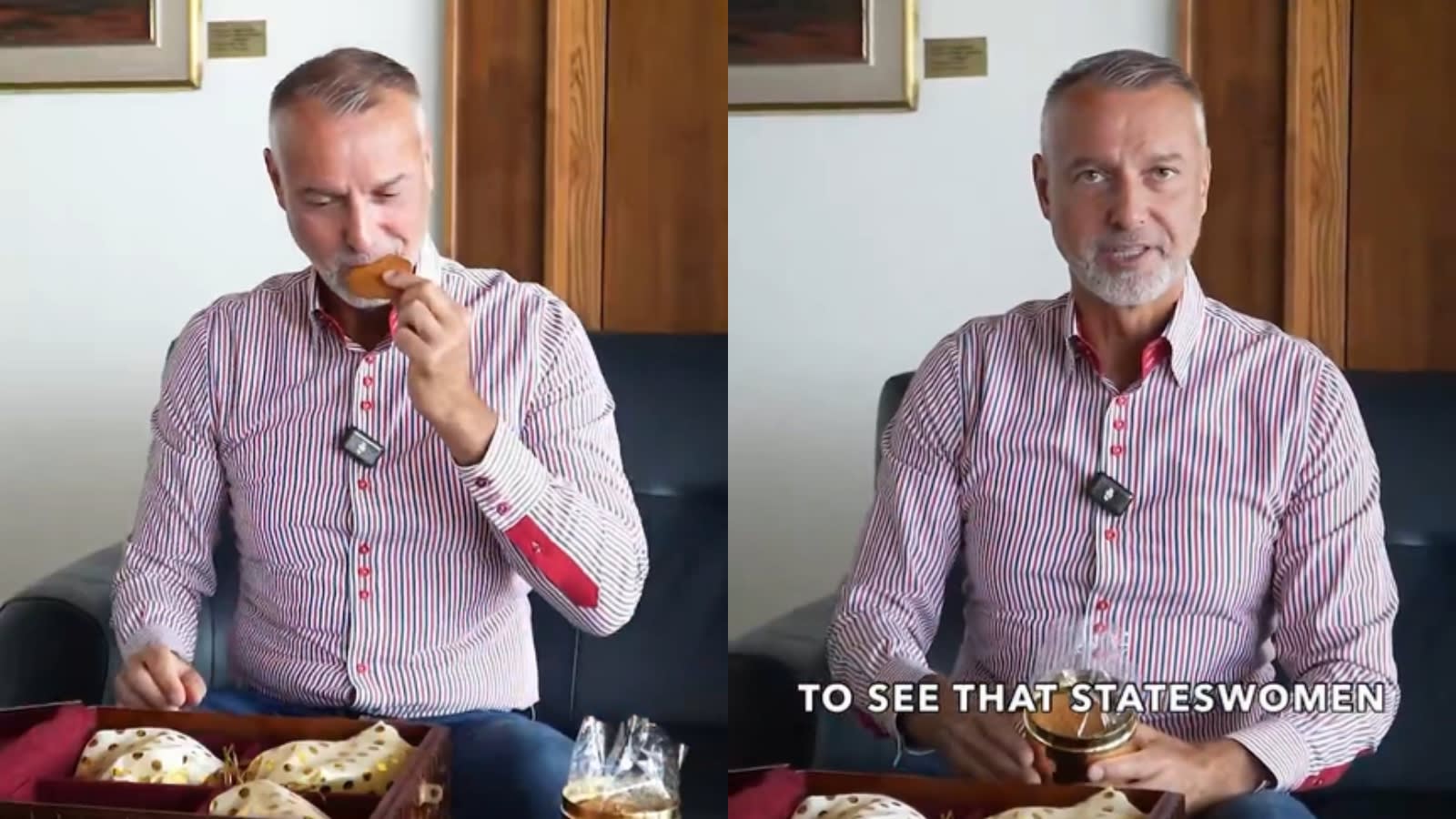
Slovak National Council Chairman Richard Rasi shared a video reacting to 'Thekua', a traditional sweet from Bihar, India, which was gifted to him by Prime Minister Narendra Modi during a diplomatic visit in June.
Gastro-Diplomacy: The Symbolic Power of the Bihari Thekua
In a modern era of international relations where formal summits and strategic treaties often dominate the headlines, the recent interaction between Slovak National Council Chairman Richard Rasi and Indian Prime Minister Narendra Modi highlights the enduring importance of 'soft power.' The act of gifting Thekua—a traditional, deep-fried sweet snack from the Indian state of Bihar—serves as a potent example of gastro-diplomacy. By sharing a specific regional delicacy, the Indian leadership is not merely exchanging gifts but is projecting a nuanced image of India's diverse cultural tapestry to the European stage.
The Cultural Significance of Thekua
To understand the weight of this gesture, one must look at the cultural roots of the gift. Thekua is more than just a biscuit; it is a staple of the Chhath Puja festival, one of the most significant and rigorous spiritual observations in Bihar and Eastern Uttar Pradesh. Made primarily from wheat flour, jaggery, and ghee, it represents the agricultural heartland of India and the purity of traditional offerings. By selecting a regional specialty rather than a generic luxury item, PM Modi underscores a commitment to promoting 'Vocal for Local,' elevating a grassroots culinary tradition to the level of international diplomatic exchange.
Bridging Cultures Through Culinary Familiarity
Chairman Richard Rasi's reaction—noting that the Thekua "reminds me of our biscuits"—is a critical moment of cultural convergence. In diplomacy, finding a point of commonality is essential for building rapport. When a foreign leader relates an exotic foreign delicacy to a familiar comfort food from their own homeland, it breaks down psychological barriers. This simple comparison transforms a foreign object into something relatable, fostering a sense of kinship and mutual understanding that can subtly grease the wheels of formal political negotiations.
The Strategic Use of Soft Power in EU-India Relations
This event occurs within the broader context of India's strategic push to strengthen ties with European Union member states, including Slovakia. While defense and trade agreements provide the structural framework for these relationships, cultural exchanges provide the emotional glue. The use of food as a diplomatic tool allows India to showcase its heritage in a non-threatening, accessible way. This approach helps in diversifying the global perception of India, moving it beyond the stereotypes of the IT sector or cinema and highlighting the richness of its regional folk traditions.
Future Trends in Cultural Export
Looking forward, this incident suggests a trend where India will increasingly leverage its regional diversities to create targeted diplomatic connections. As India seeks to expand its footprint in Central and Eastern Europe, the promotion of regional crafts, textiles, and cuisines from states like Bihar will likely become more frequent. This not only enhances India's global image but also creates potential pathways for the export of regional organic products, potentially opening new markets for Indian agri-businesses and artisanal producers.
Conclusion
While the video of Chairman Richard Rasi tasting Thekua may seem like a lighthearted social media moment, it is a calculated and effective piece of cultural diplomacy. By anchoring a high-level political relationship in the shared human experience of enjoying food, India successfully communicates its cultural richness and openness. This small gesture reinforces the idea that the strongest international bonds are often built on the simplest of foundations: mutual curiosity and a taste of home.