Community centre housing temple sold to Islamic charity in UK, Peterborough city council promises alternative
Source Entity
Latest News: Today's Latest News Headlines from India & World | Hindustan Times | Hindustan Times
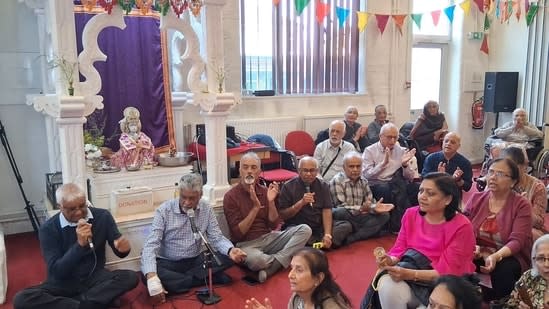
A community center in Peterborough, UK, which housed a temple founded by Hindu families expelled from Uganda by Idi Amin, has been sold to an Islamic charity. The Peterborough City Council has committed to finding an alternative location for the community.
The Transition of a Sacred Space: Analyzing the Peterborough Temple Sale
The recent sale of a community center housing a Hindu temple in Peterborough to an Islamic charity has sparked a complex conversation regarding heritage, displacement, and the evolving nature of multicultural urban spaces. This event is not merely a real estate transaction but a poignant intersection of historical trauma and contemporary community dynamics. The temple served as a spiritual and social anchor for a specific diaspora, and its transition marks a significant shift in the local cultural landscape of the city.
Historical Context: The Legacy of the Ugandan Expulsion
To understand the gravity of this sale, one must look back to 1972, when the dictator Idi Amin ordered the expulsion of the Asian population from Uganda. This brutal decree forced tens of thousands of people, many of whom were of Indian descent, to leave their homes and businesses with almost no notice. Many of these refugees sought asylum in the United Kingdom, arriving with very little but a strong determination to rebuild their lives. The Hindu families who eventually settled in Peterborough and established this temple in the 1980s did so to create a sanctuary of continuity and identity in a foreign land, making the site a living monument to their resilience against ethnic cleansing.
The Temple as a Social and Spiritual Anchor
For over four decades, the community center was more than a place of worship; it was a hub for the preservation of cultural traditions and a support system for descendants of the Ugandan refugees. In the context of the diaspora, such institutions provide a critical sense of belonging and a bridge between generations. The loss of this physical space can be perceived as a secondary displacement for a community that has already historically suffered the trauma of forced migration. The emotional attachment to the site is therefore deeply intertwined with the community's collective memory of survival and resettlement.
The Dynamics of the Sale to an Islamic Charity
The sale of the facility to an Islamic charity highlights the fluid and sometimes tense nature of religious demographics within UK cities. While the transition of a building from one faith group to another is a common occurrence in diverse urban environments, the specific history of this site adds a layer of sensitivity. This transition reflects the shifting needs of different minority communities within Peterborough, where the growth of one community's infrastructure may coincide with the contraction or relocation of another's. It underscores the challenge of maintaining permanent heritage sites for smaller, aging diaspora groups.
The Role of the Peterborough City Council
In response to the community's concerns, the Peterborough City Council has stepped in with a promise to secure an alternative location. This intervention suggests that the local government recognizes the potential for social friction and the importance of maintaining the Hindu community's presence in the city. However, the efficacy of this promise depends on the council's ability to find a site that is not only functionally equivalent but also geographically accessible and culturally appropriate. The council's role here is critical in ensuring that the transition does not lead to the marginalization of the Hindu community.
Broader Implications for Multiculturalism in the UK
This event serves as a case study for the broader challenges of multiculturalism in the United Kingdom. It demonstrates how the legacies of colonialism and dictatorship in Africa continue to ripple through British local governance and community relations. The situation emphasizes that "integration" is a continuous process of negotiation over space and resources. When sacred spaces are sold or moved, it tests the resilience of interfaith harmony and the commitment of local authorities to protect the heritage of all minority groups, regardless of their current size or political influence.
Conclusion: Looking Toward a Sustainable Resolution
Ultimately, the resolution of this situation will depend on the transparency of the transition and the sincerity of the City Council's efforts. If a suitable alternative is provided, this event could become a model for how cities manage the evolution of religious spaces with dignity and respect. However, if the community feels abandoned, it may exacerbate feelings of alienation. The goal for Peterborough must be to ensure that while the building changes hands, the legacy of the Ugandan Hindu community remains honored and supported within the city's social fabric.
Verification Required?