‘Are you Muslim?’: Indian man asked about religion, stabbed 15 times in US
Source Entity
Latest News: Today's Latest News Headlines from India & World | Hindustan Times | Hindustan Times
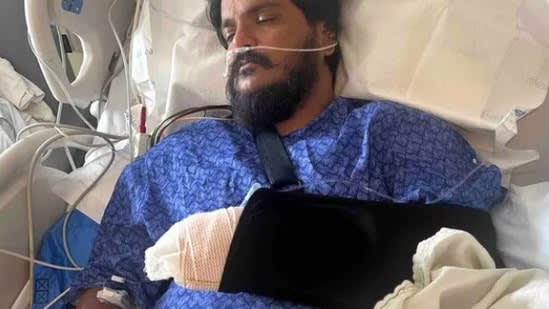
Peter Michael Larsen, 48, has been arrested in the United States on suspicion of attempted murder after stabbing an Indian man 15 times. The attack was allegedly preceded by the suspect questioning the victim's religion, specifically asking if he was Muslim.
Brutal Targeted Attack: Analysis of the Attempted Murder of an Indian National in the US
In a chilling incident that underscores the persistence of hate-motivated violence, an Indian man was subjected to a vicious attack in the United States, resulting in him being stabbed 15 times. The brutality of the assault was compounded by a targeted interrogation regarding the victim's faith, as the assailant explicitly asked, “Are you Muslim?” before launching the attack. This sequence of events suggests a premeditated act of violence rooted in religious or ethnic prejudice, marking a severe escalation of targeted aggression against the South Asian community.
Legal Proceedings and Charges
Following the attack, law enforcement officials arrested 48-year-old Peter Michael Larsen. Larsen has been booked on two primary charges: suspicion of attempted murder and prohibited dangerous weapon conduct. The charge of 'prohibited dangerous weapon conduct' indicates that the instrument used in the stabbing may have been an illegal weapon or used in a manner that violates specific state weapon statutes. The severity of the injuries—15 stab wounds—provides a strong evidentiary basis for the attempted murder charge, as it demonstrates a clear intent to kill or cause grievous bodily harm.
The Intersection of Xenophobia and Islamophobia
This event highlights a dangerous trend where individuals of Indian descent are targeted based on perceived religious identity. The assailant's question, “Are you Muslim?”, reveals a common phenomenon in hate crimes where the perpetrator operates on stereotypes, conflating South Asian ethnicity with a specific religion. This 'perceived identity' violence means that victims are targeted not necessarily for who they are, but for who the attacker believes them to be. Such attacks create a climate of fear for the broader diaspora, as the trigger for violence is the subjective whim of the aggressor rather than the actual identity of the victim.
Broader Implications for the Indian Diaspora
For the Indian community in the United States, this incident is a stark reminder of the vulnerabilities faced by immigrants and citizens of South Asian origin. While the US is home to a highly successful and integrated Indian diaspora, the rise of targeted violence creates a psychological burden of insecurity. The visceral nature of this attack—the repetitive stabbing and the explicit religious query—serves as a catalyst for community anxiety, emphasizing that professional or social integration does not always provide immunity from hate-driven volatility.
Societal Trends and Future Outlook
Historically, spikes in such incidents often correlate with periods of heightened political polarization or global conflict. The targeting of a man based on a religious query suggests that the assailant may have been influenced by extremist rhetoric or systemic biases. Moving forward, the prosecution of Peter Michael Larsen will likely be closely watched by human rights organizations to see if 'hate crime' enhancements are added to the charges. Such legal designations are critical as they acknowledge the crime's impact not just on the individual victim, but on the entire community targeted by the hate.
Conclusion
The attack on the Indian man by Peter Michael Larsen is a gruesome example of how prejudice can manifest as extreme physical violence. By combining a religious interrogation with a near-fatal assault, the perpetrator attempted to strip the victim of his humanity based on an assumption of faith. The legal outcome of this case will be pivotal in sending a message regarding the intolerance of hate-motivated violence in the United States and the commitment to protecting all individuals regardless of their perceived religion or origin.
Verification Required?