Iran war: As another Indian sailor dies, Indian govt announces move to track every ship for…| Hormuz
Source Entity
Latest News: Today's Latest News Headlines from India & World | Hindustan Times | Hindustan Times
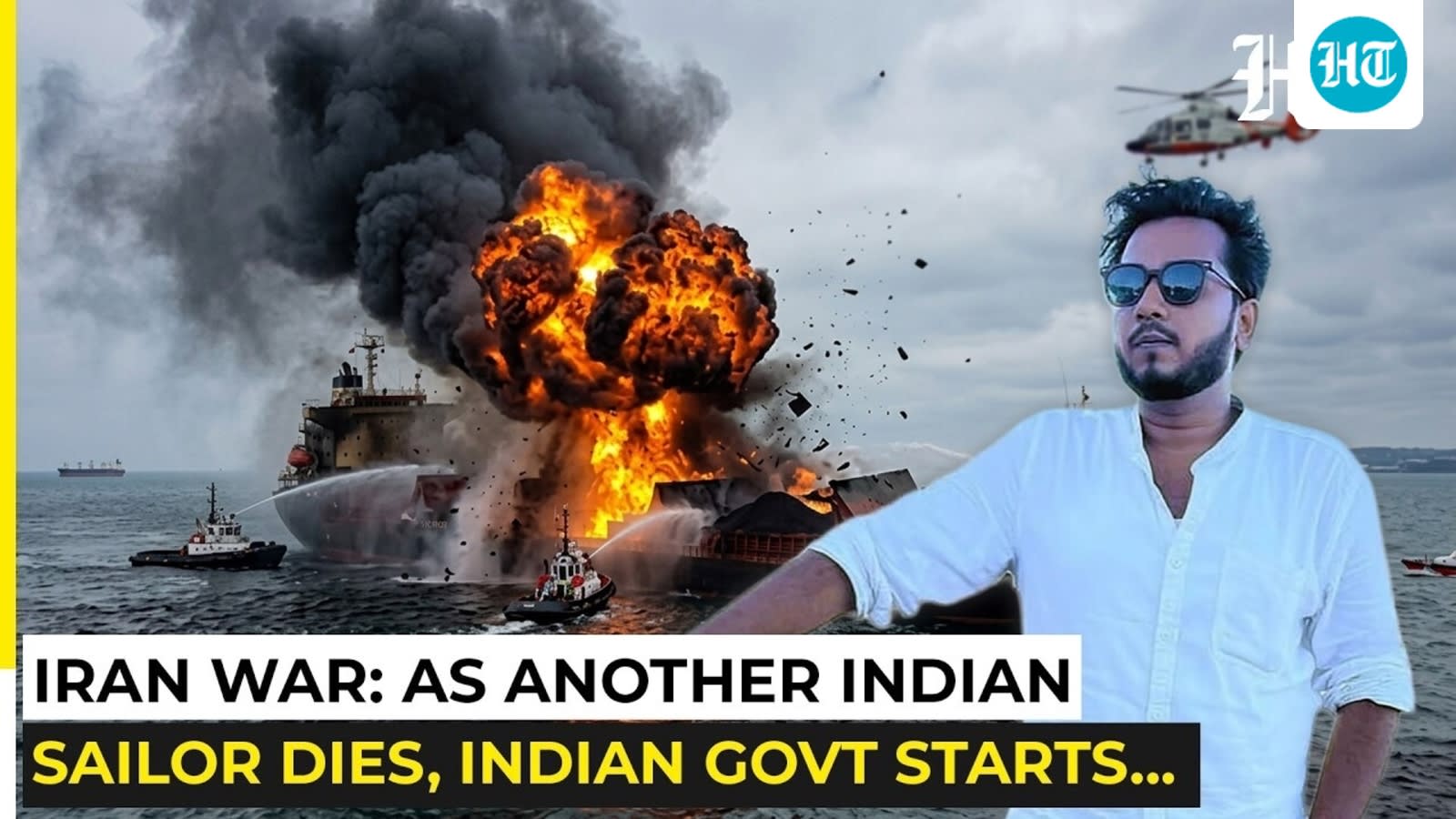
Following the death of Indian seafarer Rohan Kumar in a missile attack on Emirati tankers in the Strait of Hormuz, the Indian government has launched the 'Seafarer-First' initiative. This program will utilize a real-time vessel-by-vessel dashboard to track all Indian sailors in the Persian Gulf, Strait of Hormuz, and Gulf of Oman, regardless of the ship's flag, to ensure their safety and facilitate swift emergency responses.
India's Strategic Pivot: The 'Seafarer-First' Initiative Amidst West Asian Volatility
The tragic death of Indian seafarer Rohan Kumar, who was killed during a missile attack on Emirati oil tankers in the Strait of Hormuz, has served as a catalyst for a significant shift in India's maritime security approach. In response to this escalation of violence in West Asia, the Indian government has unveiled the "Seafarer-First" initiative. This policy represents a proactive move by the Centre to safeguard its citizens operating in some of the world's most volatile waters, specifically the Persian Gulf, the Strait of Hormuz, and the Gulf of Oman.
The Incident and the Human Cost
The catalyst for this policy change was a targeted missile attack on two Emirati oil tankers. The loss of Rohan Kumar highlights the extreme vulnerability of merchant mariners who often find themselves as collateral damage in geopolitical conflicts. Unlike naval personnel, civilian seafarers have limited defenses and rely entirely on the security protocols of their vessels and the diplomatic protection of their home nations. This specific incident underscores the precarious nature of maritime trade in the region, where commercial ships are increasingly being used as leverage or targets in regional power struggles.
Deconstructing the 'Seafarer-First' Framework
Union Minister Sarbananda Sonowal has detailed a critical technical component of the new initiative: the implementation of a real-time vessel-by-vessel dashboard. The most significant aspect of this system is its jurisdiction; it will track Indian seafarers regardless of the ship's flag. Historically, the "flag state" (the country where a ship is registered) holds primary responsibility for the vessel's legal and security framework. By bypassing this distinction to track its citizens directly, India is asserting a "citizen-centric" security model, ensuring that the government has immediate visibility into the location and status of its nationals, enabling a swifter and more coordinated rescue or evacuation response during emergencies.
The Geopolitical Significance of the Strait of Hormuz
To understand the gravity of this move, one must consider the strategic importance of the Strait of Hormuz. As the world's most important oil chokepoint, a significant portion of the global petroleum supply passes through this narrow waterway. Any instability here doesn't just threaten individual lives but risks global economic shocks. For India, which relies heavily on energy imports from the Gulf, the security of this route is a matter of national economic security. The escalating tensions in West Asia, often characterized by proxy conflicts and asymmetric warfare, make the Persian Gulf a high-risk zone where maritime corridors can be closed or contested instantaneously.
India's Evolving Role in Maritime Security
This initiative reflects India's broader ambition to be a "Net Security Provider" in the Indian Ocean Region (IOR). By extending its protective umbrella to seafarers in the Gulf of Oman and the Persian Gulf, India is demonstrating its capability and willingness to project administrative and protective power beyond its immediate coastal waters. This move aligns with India's strategic need to protect its vast diaspora and the thousands of Indian crew members who form the backbone of the global shipping industry. It signals to the international community that India will take direct, tech-driven measures to ensure the safety of its workforce in high-risk zones.
Future Trends and Implications
Looking forward, the "Seafarer-First" initiative is likely to evolve into a more comprehensive maritime intelligence network. We can expect India to integrate this dashboard with naval patrols and intelligence sharing with regional partners to provide early warnings to commercial vessels. Furthermore, this move may prompt other seafaring nations to adopt similar citizen-tracking mechanisms, potentially leading to a new era of "digital diplomacy" where national governments take a more active role in the real-time monitoring of their citizens abroad in conflict zones.
Conclusion
The transition from reactive diplomacy to proactive, real-time monitoring marks a turning point in how India manages the risks associated with its maritime workforce. While the 'Seafarer-First' initiative cannot stop missile attacks, it drastically reduces the 'fog of war' for the Indian government, ensuring that no sailor is left unaccounted for in the event of a crisis. By prioritizing the individual over the flag of the vessel, India is redefining the parameters of consular protection in the modern age.
Verification Required?