'I intend to kill Muslims': Indian mall worker in US stabbed by Utah man
Source Entity
TOI WORLD DESK
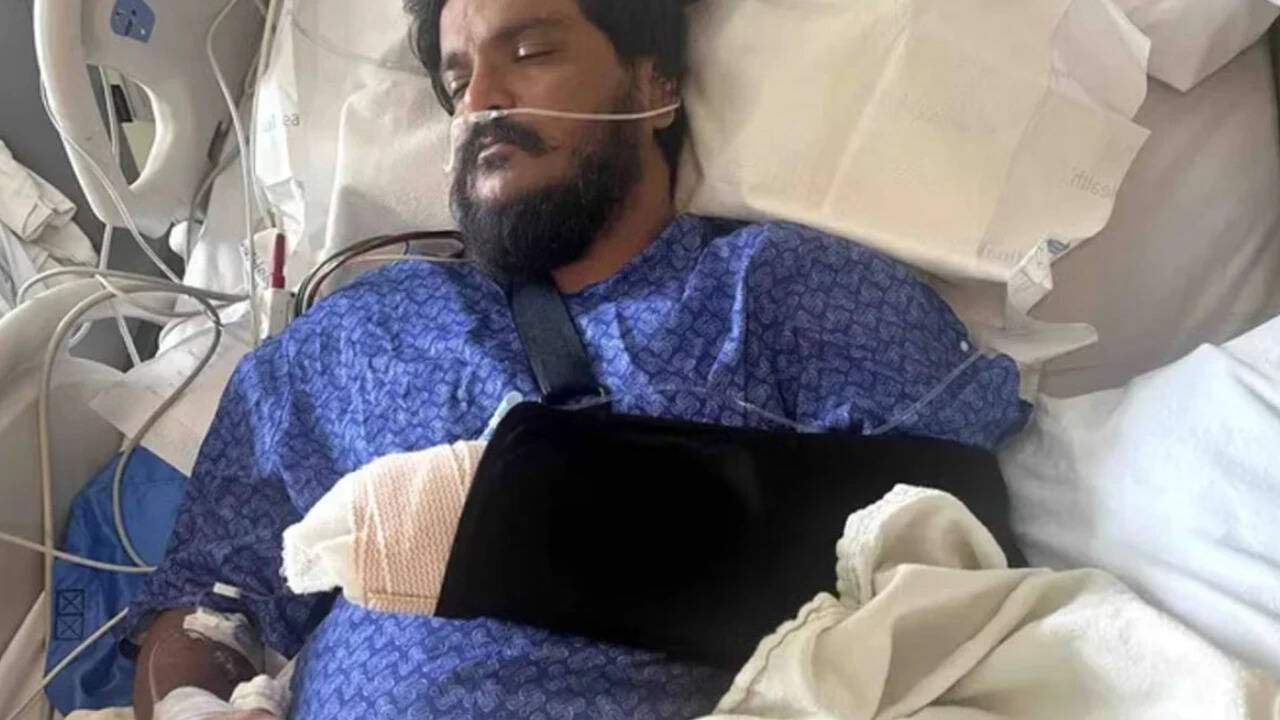
A Utah man, Peter Larsen, has been arrested for the stabbing of an Indian mall worker. The attacker reportedly expressed a targeted intent to kill Muslims, marking the incident as a violent hate crime.
Analysis of Hate-Motivated Violence: The Stabbing of an Indian Mall Worker in Utah
In a disturbing escalation of targeted violence, a Utah man identified as Peter Larsen has been arrested for the stabbing of an Indian mall worker. The incident, which occurred within a public shopping center, was not a random act of aggression but was explicitly tied to hate-driven motives. According to reports, the suspect expressed a clear and violent intent to target Muslims, indicating that the victim was targeted based on perceived religious or ethnic identity. This attack underscores the precarious nature of safety for minority communities in public spaces and the persistent threat of xenophobic violence.
The Intersection of Hate and Violence
The most alarming aspect of this case is the suspect's stated motive: "I intend to kill Muslims." This statement transforms the crime from a standard assault into a targeted hate crime. In many such instances, perpetrators conflate South Asian ethnicity with Islamic faith, leading to "mistaken identity" attacks where individuals are targeted regardless of their actual religious beliefs. By targeting an Indian mall worker, Larsen demonstrated a dangerous adherence to stereotypes and a willingness to use lethal force to act upon those prejudices. This specific intent suggests a premeditated desire to instill fear not just in the individual victim, but in the broader immigrant and minority community.
Suspect Profile and Systemic Failures
Reports indicate that Peter Larsen has a previous history of violent behavior. This detail is critical as it suggests a pattern of instability and aggression that preceded the attack on the mall worker. When a suspect with a known violent history is able to carry out a targeted attack in a public venue, it raises significant questions regarding the efficacy of local monitoring and the gaps in the mental health or judicial systems. The transition from general violence to targeted hate-motivated violence often indicates a radicalization process or a deepening of psychological volatility that should ideally be flagged by law enforcement or social services before it manifests in a public stabbing.
The Broader Context of Xenophobia in the US
This event does not occur in a vacuum but is part of a broader, troubling trend of hate crimes against South Asians and Muslims within the United States. Over the last decade, there has been a documented rise in targeted violence fueled by political rhetoric and social media echo chambers that dehumanize foreign nationals and religious minorities. The choice of a mall—a place of commerce and community gathering—as the site of the attack is particularly symbolic, as it violates the perceived safety of everyday civic life. Such attacks are designed to send a message of exclusion and intimidation to those who do not fit a specific nationalist or religious mold.
Community Response and the Path to Recovery
The emergence of a GoFundMe page for the victim highlights the immediate community response and the financial devastation that accompanies such violent crimes. Beyond the physical wounds of the stabbing, the victim must now grapple with the psychological trauma of being targeted for their identity. The community's mobilization through crowdfunding reflects a dual purpose: providing necessary medical and living expenses for the survivor and signaling a collective rejection of the hatred that fueled Larsen's actions. This solidarity is a vital counter-narrative to the isolation that hate crimes intend to create.
Legal Implications and Future Outlook
From a legal standpoint, the explicit statement of intent to kill Muslims will likely lead to hate crime enhancements during sentencing. Under US law, crimes motivated by bias against religion or national origin carry stiffer penalties, reflecting the societal harm caused by such acts. Moving forward, this case will likely prompt calls for increased security in public spaces and more robust training for mall security and local police to recognize and prevent hate-motivated threats. The outcome of the trial against Peter Larsen will serve as a benchmark for how the state of Utah addresses violent extremism and protects its diverse workforce.
Summary
The stabbing of the Indian mall worker by Peter Larsen is a stark reminder of the lethal consequences of unchecked hate and prejudice. By analyzing the suspect's violent history and his explicit religious bias, it becomes clear that this was a targeted attack aimed at marginalized communities. The incident highlights the urgent need for systemic improvements in monitoring violent offenders and the continued importance of community solidarity in the face of xenophobic violence.