‘Next week it gets really bad’: Trump threatens to wipe out Iran’s bridges, power plants in dramatic escalation
Source Entity
The Indian Express
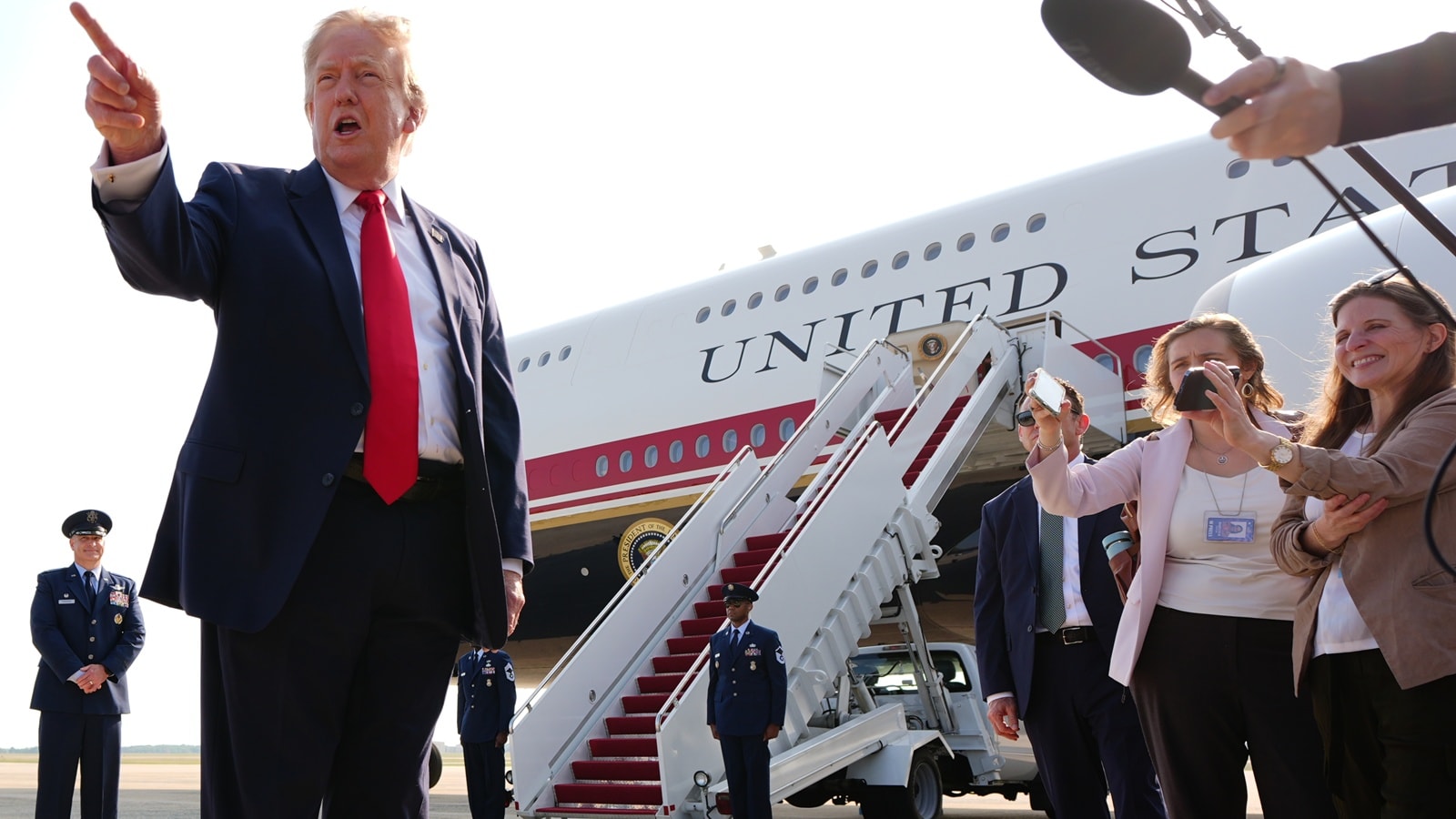
Former US President Donald Trump has issued a dramatic escalation in rhetoric against Iran, threatening to target and destroy critical national infrastructure, including bridges and power plants, warning that the situation will worsen significantly in the coming week.
Escalation of Hostilities: Analyzing Trump's Infrastructure Threats Against Iran
A Shift Toward Kinetic Rhetoric
The recent declaration by Donald Trump, stating that "next week it gets really bad," represents a sharp and dramatic escalation in the long-standing geopolitical friction between the United States and the Islamic Republic of Iran. By specifically threatening to "wipe out" critical infrastructure such as bridges and power plants, Trump is signaling a move beyond economic sanctions and diplomatic isolation toward the threat of direct kinetic action. This rhetoric is designed to project overwhelming strength and unpredictability, aiming to destabilize the Iranian leadership's sense of security and force a rapid strategic recalculation in Tehran.
The Strategic Significance of Infrastructure Targeting
Targeting bridges and power plants is a calculated move that goes beyond traditional military-on-military engagement. Power plants are the lifeblood of a modern state; their destruction would lead to widespread blackouts, crippling industrial production and disrupting essential civilian services. Similarly, destroying bridges would sever key logistical arteries, hindering the Iranian military's ability to move assets and disrupting the internal flow of goods. This strategy is intended to induce domestic instability within Iran by creating a humanitarian and economic crisis, thereby pressuring the regime from within while demonstrating the U.S.'s ability to penetrate Iranian airspace and defenses.
Historical Context: The Legacy of Maximum Pressure
To understand the current threat, one must look back at the "Maximum Pressure" campaign initiated during Trump's presidency. This era was defined by the U.S. withdrawal from the Joint Comprehensive Plan of Action (JCPOA) in 2018 and the subsequent imposition of crushing sanctions. The tension reached a fever pitch in January 2020 with the assassination of General Qasem Soleimani. The current threats are a continuation of this philosophy—using extreme pressure and the credible threat of violence to force Iran to abandon its nuclear ambitions and curtail its support for regional proxies. This pattern of brinkmanship is a hallmark of Trump's foreign policy approach toward Tehran.
Global Economic and Energy Implications
Such a dramatic escalation carries profound risks for the global economy, specifically regarding energy security. Iran's proximity to the Strait of Hormuz, a chokepoint through which a significant portion of the world's oil passes, means that any direct attack on Iranian soil could provoke a retaliatory closure of the strait. A blockade or a surge in instability in the Persian Gulf would likely trigger a massive spike in global oil prices, leading to inflationary pressures worldwide. Consequently, Trump's threats are not merely a bilateral issue but a volatility trigger for global financial markets.
Regional Dynamics and Proxy Warfare
Beyond the direct U.S.-Iran axis, these threats reverberate across the "Axis of Resistance." Iran's network of proxies—including Hezbollah in Lebanon, various militias in Iraq, and the Houthis in Yemen—typically respond to threats against the Iranian mainland by increasing attacks on U.S. assets and allies in the region. An attack on Iranian power plants could trigger a synchronized regional uprising, drawing the U.S. into a multi-front conflict. The risk of miscalculation is high; a threat intended as a deterrent could be perceived as an imminent attack, prompting Iran to strike first to preempt the destruction of its infrastructure.
The Psychology of Unpredictability as Diplomacy
From an analytical perspective, this rhetoric may be viewed as a psychological operation. By setting a specific, imminent timeline ("next week"), Trump creates a state of high anxiety and urgency. This tactic is often used to compel an opponent to make concessions they would otherwise refuse in a slow-moving diplomatic process. By framing the coming days as a period of impending disaster, the goal is to make a diplomatic "off-ramp" look more attractive to the Iranian government than the risk of total infrastructure collapse.
Conclusion: The Precipice of Conflict
In summary, the threat to destroy Iran's bridges and power plants marks a dangerous turn in international relations. While it may be a tactical bluff intended to regain leverage, the potential for escalation is severe. The intersection of critical infrastructure vulnerability, global energy dependency, and regional proxy dynamics creates a volatile environment where a single spark could ignite a wider war. The coming days will be critical in determining whether this rhetoric leads to a diplomatic breakthrough or a catastrophic military confrontation.