NPCIL denies ‘sensitive data breach’ at Kudankulam nuclear plant project
Source Entity
India Latest News: Top National Headlines Today & Breaking News | The Hindu
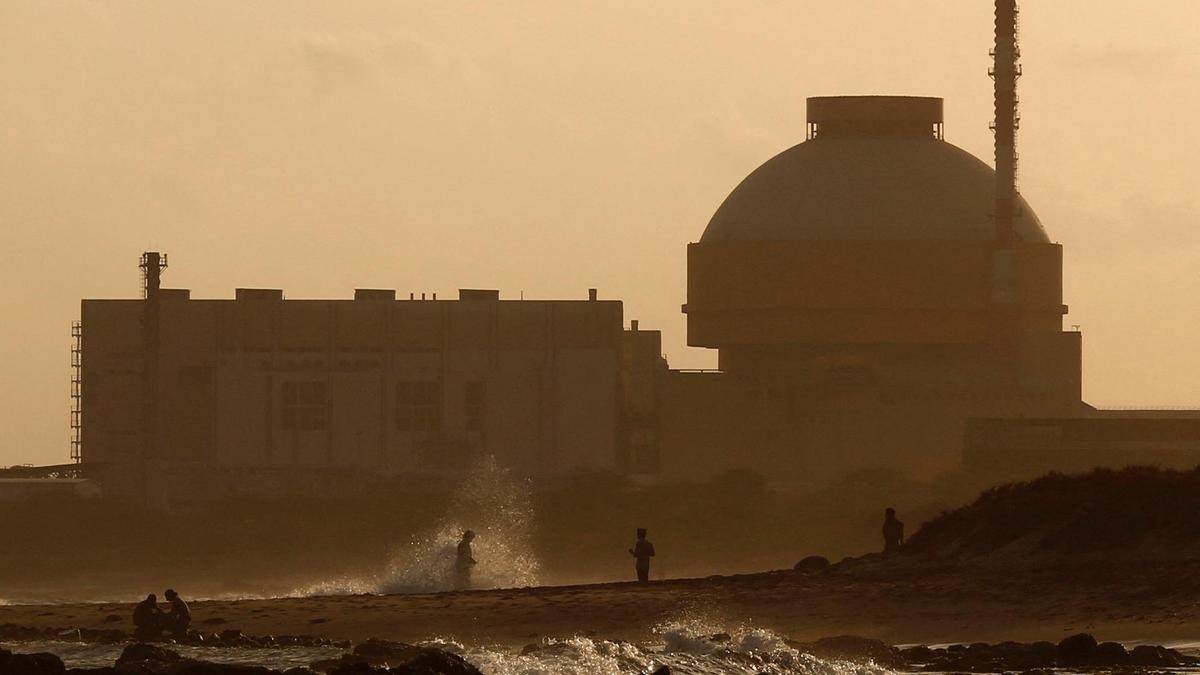
The Nuclear Power Corporation of India Limited (NPCIL) has officially denied reports of a sensitive data breach at the Kudankulam Nuclear Power Plant (KKNPP), although internal sources suggest the allegations have caused significant distress among the project's leadership.
Contradictory Narratives: The Kudankulam Data Breach Controversy
Recent reports have surfaced regarding a potential security lapse at the Kudankulam Nuclear Power Plant (KKNPP), one of India's most critical energy installations. The core of the controversy lies in a stark contradiction: while the Nuclear Power Corporation of India Limited (NPCIL) has issued a formal denial regarding any 'sensitive data breach,' internal sources from within the KKNPP project indicate that the mere allegation has triggered 'absolute commotion' among the project's top leadership. This discrepancy suggests a tense atmosphere where official public communications are at odds with internal organizational anxiety.
The Strategic Significance of KKNPP
To understand why a data breach at Kudankulam would cause such internal turmoil, one must consider the plant's strategic importance. KKNPP is not only one of the largest nuclear power stations in India but also a symbol of high-level international cooperation, specifically with Russia. Because nuclear facilities handle highly classified technical specifications, safety protocols, and strategic energy data, any compromise in data integrity is viewed not merely as a corporate failure but as a national security risk. The 'sensitive data' in question could range from structural blueprints to operational software and personnel records, all of which are prime targets for state-sponsored cyber-espionage.
The Tension Between Public Denial and Internal Panic
The report of 'absolute commotion' among the top brass suggests that the leadership may be grappling with a breach that is either currently being assessed or is being suppressed to prevent public alarm. In the realm of critical infrastructure, there is often a lag between the detection of a vulnerability and the official admission of a breach. The internal panic described by sources indicates that the project's management is acutely aware of the catastrophic implications of a leak, including the potential for operational sabotage or the exposure of vulnerabilities to foreign intelligence agencies.
Cybersecurity Challenges in Nuclear Infrastructure
This incident highlights the broader, ongoing struggle to secure Industrial Control Systems (ICS) and Supervisory Control and Data Acquisition (SCADA) systems against modern cyber threats. Nuclear plants are increasingly integrating digital monitoring tools, which, while improving efficiency, expand the attack surface for hackers. The anxiety within KKNPP reflects a global trend where nuclear facilities are under constant threat from advanced persistent threats (APTs). The denial by NPCIL may be a strategic move to avoid signaling weakness to adversaries, even as internal audits are likely being conducted to determine the extent of the alleged leak.
Broader Implications for National Security
If the allegations were to be proven true, the implications would extend beyond the plant's walls. A breach of sensitive nuclear data could jeopardize the trust between India and its international nuclear partners and could necessitate a complete overhaul of the cybersecurity frameworks governing the NPCIL. Furthermore, it would raise questions about the vetting processes and internal data handling protocols at one of the country's most sensitive sites. The internal unrest suggests that the leadership recognizes the potential for severe administrative and legal repercussions.
Conclusion: The Need for Transparency and Security
In summary, the situation at the Kudankulam Nuclear Power Plant represents a classic conflict between institutional damage control and internal crisis management. While NPCIL maintains a stance of denial, the reported unrest among project officials points to a deep-seated concern regarding the facility's digital perimeter. Moving forward, the resolution of this incident will likely depend on a rigorous internal investigation and a potential shift toward more transparent reporting of cybersecurity incidents to ensure that vulnerabilities are patched before they can be exploited.
Verification Required?