Delhi government may seal buildings over non-payment of infra charges
Source Entity
Gayathri Mani
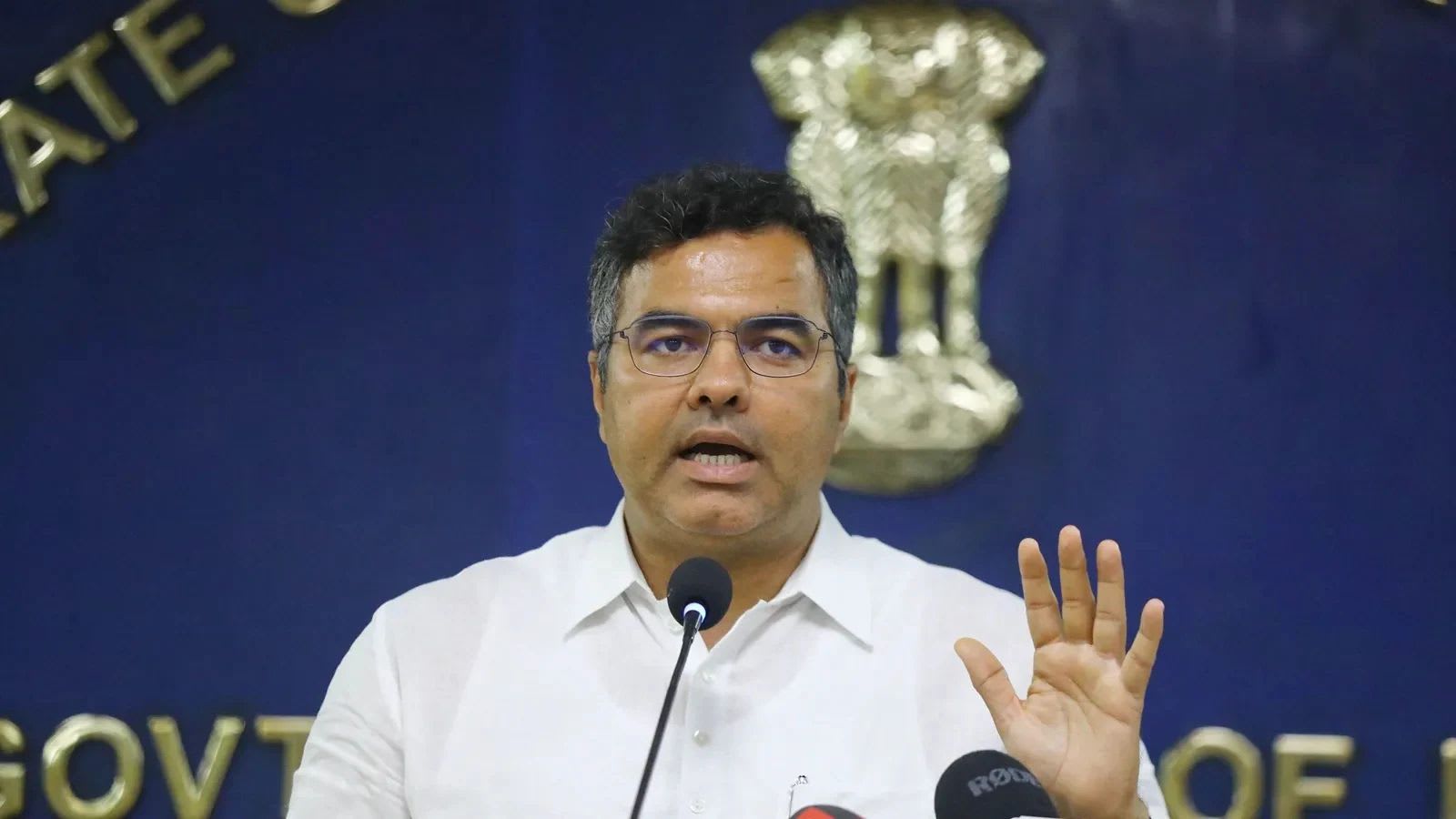
The Delhi government and the Delhi Jal Board (DJB) have initiated a verification drive to identify buildings that have failed to pay mandatory Infrastructure Charges (IFC), with the possibility of sealing non-compliant properties.
Enforcement of Urban Utility Compliance: Delhi's Crackdown on IFC Defaults
The Delhi government has signaled a significant shift toward stricter administrative enforcement by announcing a verification drive targeting buildings that have failed to pay mandatory Infrastructure Charges (IFC) to the Delhi Jal Board (DJB). This move represents a critical effort by the state to recover outstanding dues and ensure that the financial burden of maintaining the city's vast water and sewerage network is shared equitably among property owners. The threat of sealing buildings—a severe administrative penalty—underscores the government's urgency in addressing revenue leakages within its utility departments.
Understanding Infrastructure Charges (IFC)
Infrastructure Charges are essentially one-time fees levied on properties to cover the cost of extending water and sewerage lines to a specific area. In a sprawling metropolis like Delhi, the cost of laying pipelines, constructing pumping stations, and managing wastewater treatment plants is immense. The IFC is designed to recover a portion of these capital expenditures from the beneficiaries of the service. When developers or property owners bypass these payments, it creates a systemic financial deficit, hindering the DJB's ability to upgrade aging infrastructure or expand services to underserved colonies.
The Severity of the 'Sealing' Threat
The decision to potentially seal buildings is a high-stakes regulatory tool. Sealing typically involves the government physically locking a premises, rendering it unusable until the default is cleared. Historically, sealing drives in Delhi have been contentious, often leading to legal battles in the High Court and Supreme Court. By employing this threat, the government is attempting to create a strong deterrent against future defaults. This strategy suggests that the administration is moving away from mere notices and toward active enforcement to recover long-pending dues.
Financial Pressures on the Delhi Jal Board
The Delhi Jal Board has frequently faced financial headwinds, exacerbated by the provision of free water up to a certain limit for millions of residents. While social welfare policies are central to the government's agenda, the operational sustainability of the DJB depends on the recovery of statutory charges like the IFC. The current verification drive is likely a strategic attempt to inject much-needed capital into the board's coffers, allowing for the maintenance of critical utility grids and the reduction of water leakage, which remains a persistent problem in the capital.
Broader Implications for Real Estate and Governance
This move sends a clear message to the real estate sector and individual property owners: utility compliance is non-negotiable. For developers, this means that the 'cost of doing business' must accurately include all statutory infrastructure levies. For homeowners, it highlights the importance of verifying that their builders have cleared all government dues before taking possession. This crackdown is likely to lead to a surge in legal inquiries and a rush of late payments as property owners scramble to avoid the drastic measure of sealing.
Future Outlook and Conclusion
Looking forward, this initiative is expected to pave the way for a more digitized and transparent tracking system for infrastructure payments. The government will likely integrate property tax records with DJB payment data to automate the identification of defaulters. In conclusion, while the threat of sealing is extreme, it reflects the necessary tension between providing public services and ensuring the financial viability of the agencies that provide them. The success of this drive will depend on the transparency of the verification process and the government's willingness to provide a fair window for settlement before taking punitive action.