Intense heat pushes power consumption to 280 MUs per day in Andhra Pradesh
Source Entity
India Latest News: Top National Headlines Today & Breaking News | The Hindu
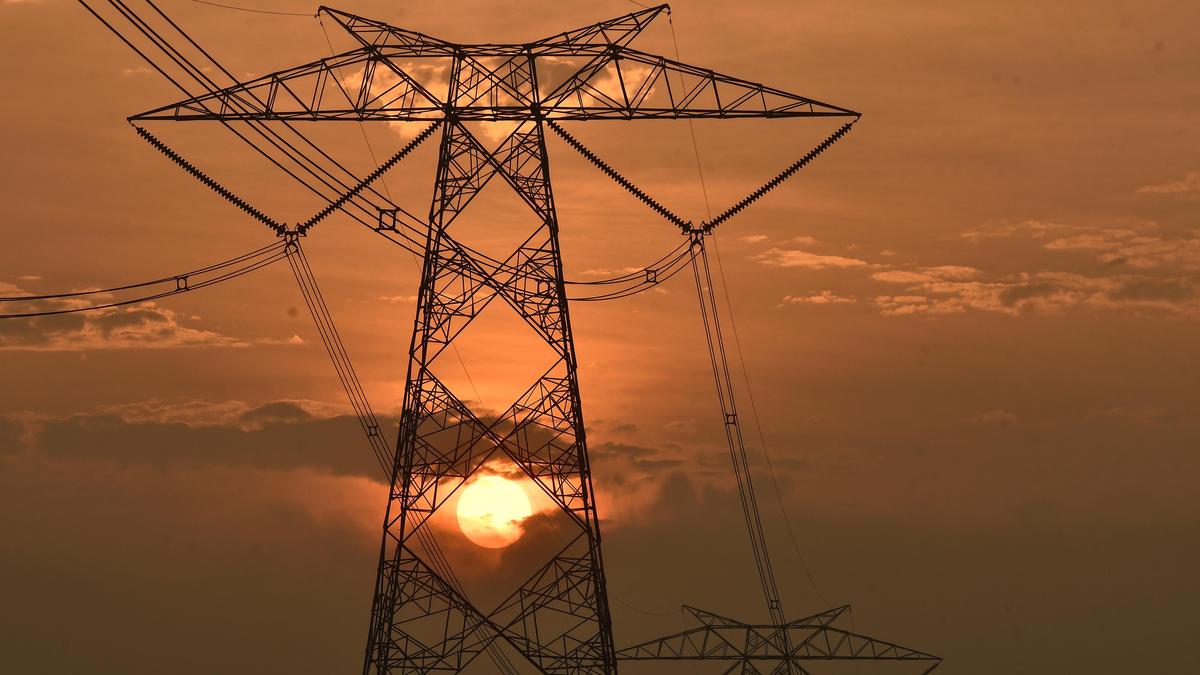
Andhra Pradesh has seen a significant spike in electricity demand, reaching 280 million units (MUs) per day due to intense heatwaves. The state Energy Minister has assured the public that measures are in place to maintain an uninterrupted power supply and that utility staff are working rapidly to resolve any disruptions.
Analysis of Power Demand Surge in Andhra Pradesh
The Impact of Extreme Heat on Energy Infrastructure
The recent surge in power consumption in Andhra Pradesh, peaking at 280 million units (MUs) per day, is a direct consequence of the intensifying heatwaves sweeping across the region. When temperatures soar, there is a simultaneous and exponential increase in the use of cooling appliances, such as air conditioners and fans, across residential and commercial sectors. This creates a 'peak load' scenario that tests the absolute limits of the state's electrical grid. The Energy Minister's announcement regarding the prompt attendance to disruptions highlights the fragility of distribution networks when pushed to their maximum capacity, as overheating transformers and overloaded circuits often lead to localized outages.
The Interplay Between Agriculture and Urban Demand
Andhra Pradesh's energy profile is uniquely complex due to its heavy reliance on agriculture. During periods of intense heat, the demand for irrigation increases sharply as farmers pump more groundwater to save crops from wilting. This agricultural demand often overlaps with the peak cooling needs of urban centers, creating a dual-pressure system on the power utilities. The ability of the state to maintain an uninterrupted supply during such spikes is not merely a matter of convenience but a critical necessity for food security and economic stability, as any prolonged power failure could lead to significant crop losses and industrial downtime.
Operational Challenges for Power Utilities
The statement that disruptions are being "promptly attended to" by utility staff underscores the operational strain on the ground. In high-heat scenarios, maintenance becomes more hazardous and technically challenging. Grid instability can occur when the demand exceeds the available generation or transmission capacity, leading to voltage fluctuations. To prevent total grid collapse, utilities often have to manage load shedding or perform rapid repairs on failed equipment. The mobilization of staff to address these disruptions in real-time is a reactive measure that prevents short-term failures from cascading into long-term systemic blackouts.
Strategic Implications for Energy Management
This event serves as a critical indicator of the need for enhanced demand-side management in the state. While the government is currently focusing on maintaining supply, the recurring nature of these heat-induced peaks suggests a need for structural shifts. Implementing 'smart grids' that can dynamically redistribute power based on real-time demand and encouraging the adoption of energy-efficient cooling technologies could mitigate the pressure on the grid. Furthermore, the reliance on traditional power sources during peaks highlights the potential for integrating more decentralized renewable energy sources, such as rooftop solar, to offset the load during the sunniest and hottest parts of the day.
Future Trends and Climate Resilience
Looking forward, these extreme consumption peaks are likely to become the 'new normal' rather than anomalous events. As climate change drives more frequent and severe heatwaves in Southern India, Andhra Pradesh will need to invest heavily in climate-resilient infrastructure. This includes upgrading aging transformers to handle higher thermal loads and expanding the capacity of power plants to ensure a buffer during peak demand. The current crisis is a wake-up call for policymakers to transition from a reactive maintenance model to a proactive resilience strategy that anticipates higher baseloads during summer months.
Conclusion
In summary, the rise to 280 MUs per day in Andhra Pradesh is a symptom of the intersection between extreme weather and increasing energy dependency. While the state government's current efforts to ensure an uninterrupted supply are essential for immediate stability, the long-term solution lies in infrastructure modernization and sustainable energy planning. The ability to withstand these thermal shocks will define the state's economic resilience in the coming decade.
Verification Required?