Sheetz moves 838 stores off VMware: Broadcom created “too much uncertainty"
Source Entity
Scharon Harding
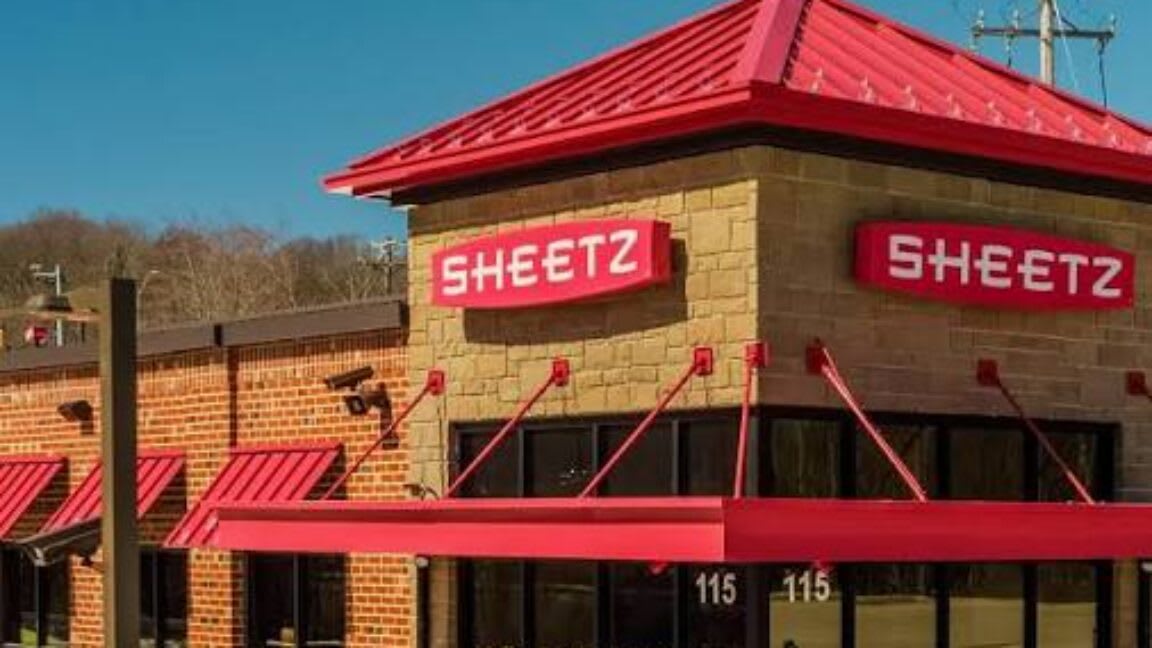
Sheetz is migrating its virtualization infrastructure across 838 store locations from VMware to StorMagic, citing the 'uncertainty' introduced by Broadcom's acquisition of VMware.
Strategic Pivot: Sheetz Abandons VMware for StorMagic
In a significant move reflecting broader industry unrest, the convenience store giant Sheetz has announced the migration of 838 store locations away from VMware's virtualization platform. The decision is explicitly attributed to the "too much uncertainty" generated by Broadcom's acquisition of VMware. By transitioning to StorMagic, Sheetz is not merely changing a software provider but is strategically re-evaluating its edge computing architecture to ensure long-term operational stability and cost predictability.
The Broadcom Effect and Licensing Volatility
To understand the catalyst behind Sheetz's decision, one must look at the seismic shift in VMware's business model following its acquisition by Broadcom. Broadcom has aggressively transitioned VMware from a traditional perpetual licensing model to a subscription-only framework. For large-scale enterprises like Sheetz, which manages hundreds of distributed endpoints, this shift often results in significant cost increases and a loss of flexibility. The "uncertainty" mentioned by Sheetz likely refers to the unpredictable nature of future pricing tiers, the bundling of products that may not be necessary for edge environments, and the perceived decline in customer support for smaller, distributed deployments.
The Challenge of Edge Computing at Scale
Managing 838 individual store locations represents a classic "edge computing" challenge. Unlike a centralized data center, each Sheetz store requires reliable, localized virtualization to handle point-of-sale (POS) systems, inventory management, and security surveillance without relying entirely on a distant cloud. VMware has long been the gold standard for this, but its current trajectory has made it a liability for companies requiring lean, stable, and cost-effective edge solutions. The migration to StorMagic suggests a move toward a more specialized hyper-converged infrastructure (HCI) that is specifically designed for the resource constraints and reliability needs of remote branch offices.
Analyzing the Shift to StorMagic
StorMagic specializes in providing high-availability storage and virtualization for the edge, often requiring fewer hardware resources than traditional VMware stacks. For Sheetz, this transition likely offers a more streamlined footprint at each store, reducing hardware overhead and simplifying maintenance. By moving to a provider that focuses specifically on the "edge" rather than a broad enterprise suite, Sheetz can optimize its infrastructure for the specific needs of a retail environment—where uptime is critical and IT staff are not physically present at every location.
Broader Market Implications and Future Trends
This move by Sheetz is a canary in the coal mine for other distributed enterprises. We are likely to see a growing trend of "VMware exodus" as companies seek alternatives to avoid vendor lock-in under Broadcom's new regime. This creates a massive opportunity for competitors like Nutanix, Proxmox, and specialized players like StorMagic. The industry is shifting toward a fragmented but more specialized ecosystem where companies choose "best-of-breed" tools for the edge rather than a one-size-fits-all suite from a single dominant vendor.
Conclusion
Sheetz's decision to migrate 838 stores is a calculated response to corporate instability and pricing volatility. By prioritizing predictability and edge-specific efficiency over brand legacy, Sheetz is safeguarding its operational continuity. This event underscores a critical lesson for modern IT procurement: the risk of vendor lock-in can become an existential operational threat when a provider's business philosophy shifts abruptly.