Murshidabad Train Accident Live Updates: 3 children die after train rams a school van in Murshidabad
Source Entity
The Indian Express
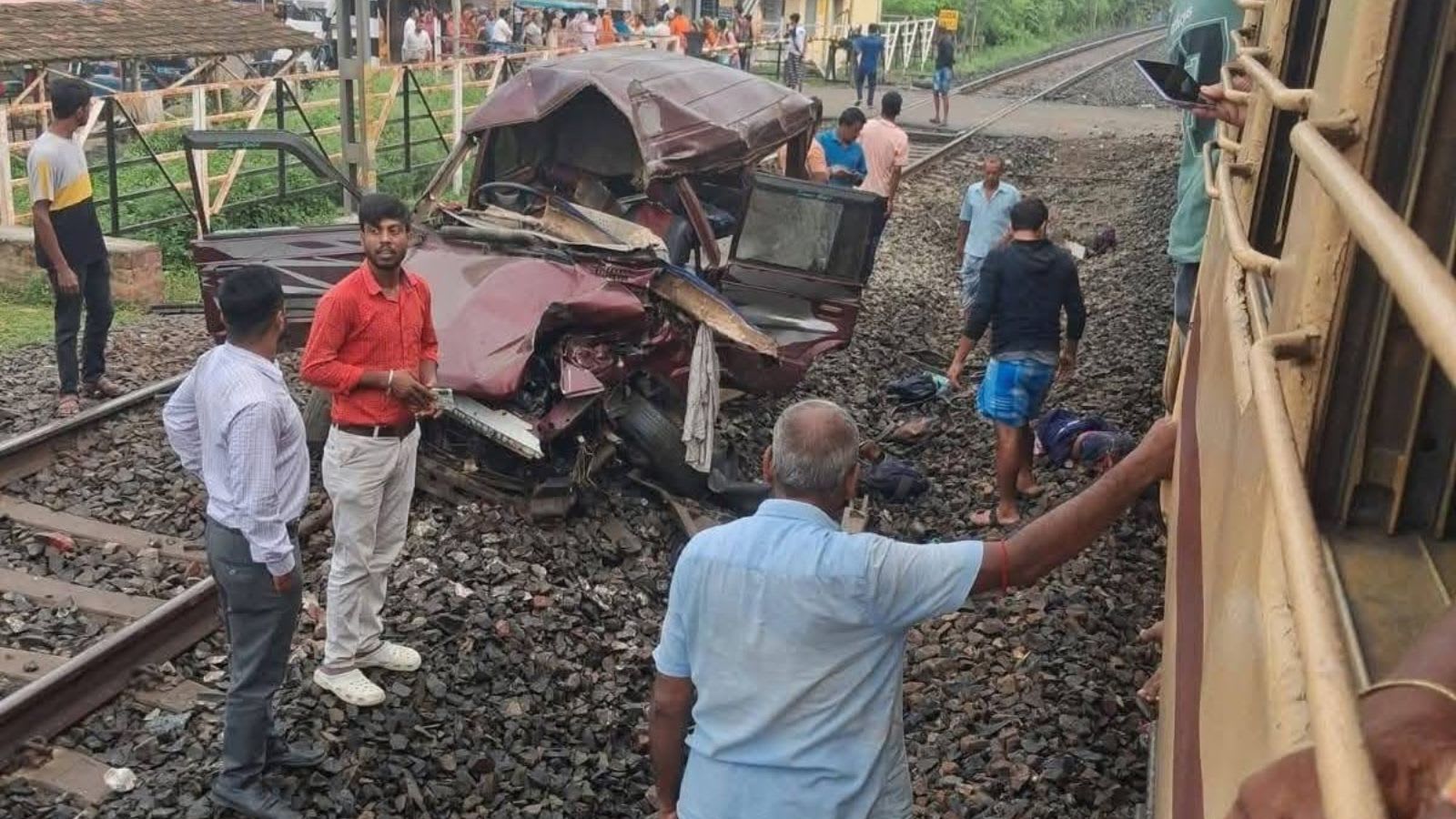
A tragic train accident in Murshidabad, West Bengal, claimed the lives of three school children and left several others injured. The collision occurred at a level crossing in Karnasuvarna when a train rammed into a school van.
Tragedy at Karnasuvarna: Analysis of the Murshidabad Train Accident
A devastating tragedy has struck the Karnasuvarna area of Berhampore in West Bengal's Murshidabad district, where a collision between a train and a school van resulted in the loss of young lives. The incident, which occurred on a Friday, underscores the persistent dangers associated with railway level crossings in densely populated regions of India. The loss of three school children has sent shockwaves through the local community, highlighting a critical failure in transport safety and the vulnerability of students during their daily commute.
The Mechanics of the Collision
According to reports, the accident took place as a school van attempted to navigate a railway level crossing. In a horrific turn of events, a train rammed into the vehicle, causing severe impact and immediate casualties. The location of the accident, Karnasuvarna, serves as a transit point, and the timing—occurring during school transit hours—amplifies the tragedy. The sheer force of the collision left several students injured, with the impact causing significant damage to the school vehicle and trapping those inside.
Emergency Response and Medical Crisis
Immediate emergency response efforts were launched following the crash, with the injured students being rushed to the Murshidabad Medical College and Hospital. Medical reports indicate that while some students are stable, several remain in critical condition, requiring intensive care. The hospitalization of these children puts an immense strain on the local healthcare infrastructure and leaves families in a state of profound grief and anxiety as they await updates on their children's recovery.
Critical Analysis of Safety Lapses
A pivotal detail in the initial reports is the status of the level crossing, which was reportedly "open" at the time of the accident. This suggests a potential lapse in safety protocols, as an open crossing during the passage of a train is a catastrophic failure of traffic management. Whether the crossing was unmanned or the gates were improperly operated, the fact that a school vehicle was permitted or attempted to cross in the path of an oncoming train points to systemic vulnerabilities in the region's railway safety infrastructure.
Historical Context of Level Crossing Accidents
This event is not an isolated incident but reflects a broader historical pattern of accidents at level crossings across the Indian railway network. Many regions still rely on manual gates or lack proper signage and barriers, creating high-risk zones for commuters and school transport. The recurring nature of such accidents in West Bengal and other states suggests that the pace of infrastructure modernization—such as the installation of automated gates or the construction of overpasses—has not kept pace with the increase in road traffic and the volume of school transportation.
Future Trends and Preventative Measures
Moving forward, this tragedy must serve as a catalyst for urgent policy changes regarding school transport and railway safety. There is a pressing need for the mandatory implementation of stricter guidelines for school van drivers and the prioritization of "grade separation" (building bridges or underpasses) at high-risk crossings like the one in Karnasuvarna. Future trends in railway safety will likely involve more AI-driven warning systems and integrated sensors that can detect vehicles on tracks and automatically alert train drivers or trigger emergency braking systems to prevent human error.
Conclusion
In summary, the Murshidabad train accident is a grim reminder of the fragility of life when safety protocols are ignored or inadequate. The death of three children is an irreparable loss that demands accountability and immediate action from both railway authorities and transport regulators. By addressing the flaws in level crossing management and enhancing the safety of school transit, authorities can work toward ensuring that such a heartbreaking event never recurs in the Berhampore region or elsewhere in the country.