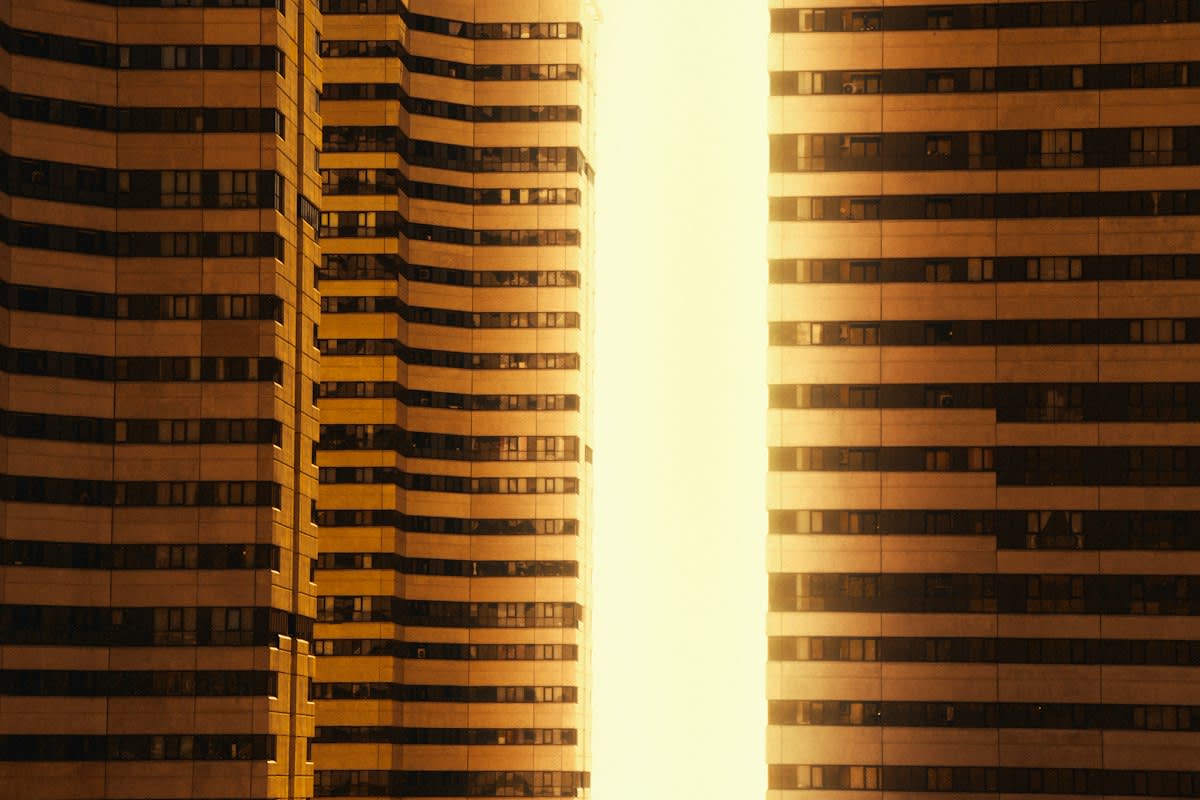
Ownership is a ghost. While retail investors in Lagos and Seoul scramble to buy decimal points of luxury apartments or vintage wine, they are actually purchasing a derivative of a right that they can neither occupy nor control. The deed is gone. Do we actually possess assets, or do we simply hold a ticket to a revenue stream managed by a third party? This shift transforms the proud homeowner into a passive dividend collector who possesses zero say in the maintenance, sale, or destiny of the physical object (Source: World Bank, 2023).
The Liquidity Default
Cash moves fast. Twelve months ago, fractional investment remained a niche playground for crypto-enthusiasts and high-net-worth speculators in Singapore. Today, integrated banking apps in Brazil and India allow users to buy fractions of commercial warehouses with the same ease as ordering a ride-share (Source: IMF, 2024). The speed is intoxicating. By breaking a billion-dollar asset into a million pieces, platforms create a fake sense of liquidity in markets that historically required years of negotiation and legal vetting to exit.

"The movement toward micro-fractionalization is not an expansion of ownership but a professionalization of rent-seeking. We are seeing the birth of a class of investors who own everything in theory and nothing in practice."— Amara Okafor, Senior Analyst at the African Economic Research Consortium
Control is dead. When a single entity holds the legal title and distributes 'beneficial interests' via a digital token, the token holder loses all voting power. They cannot decide when to repaint the walls or when to sell the building to a developer. The manager decides everything. This creates a weight of dependency where the investor relies entirely on the honesty and competence of the platform operator (Source: OECD, 2023).
| Feature | Traditional Ownership | Micro-Fractional Ownership |
|---|---|---|
| Legal Title | Directly held by owner | Held by Special Purpose Vehicle (SPV) |
| Governance | Full decision-making power | Passive revenue participation |
| Liquidity | Low (requires sale of asset) | High (secondary market trading) |
| Access | Physical right of entry | Zero physical access |
The fray deepens. In the back-offices of Jakarta and Nairobi, a quiet war rages between smart-contract developers and land registry officials. The developers argue that a blockchain entry is a sufficient record of truth, while the clerks demand physical stamps on vellum paper to recognize any transfer of rights. This mechanical failure occurs because the code does not recognize the sovereign whim of a local governor. When the digital record says one thing and the government registry says another, the micro-investor is the one who loses everything.
The Seoul Effect: Art and Ego
Art becomes data. In South Korea, platforms now allow users to buy shares of a Banksy or a Picasso for as little as ten dollars (Source: Korea Exchange, 2024). The painting stays in a climate-controlled vault in Switzerland. The investor owns a line of code. Does the prestige of ownership exist if you cannot hang the canvas on your wall or feel the texture of the paint?

Markets saturate quickly. The surge in fractional art platforms over the last six months suggests a desperate search for yield in a volatile economy. Investors no longer care about the art itself. They care about the delta between the purchase price and the expected exit (Source: Art Basel Market Report, 2023). The aesthetic value vanishes, replaced by a cold calculation of projected returns.
- Loss of usage rights: The investor cannot use the asset they 'own'.
- Management fees: Platforms charge a percentage of revenue to maintain the asset, eating into yields.
- Governance gaps: No mechanism exists for micro-owners to fire an incompetent manager.
- Regulatory void: Most jurisdictions do not recognize fractional tokens as legal property.
Rights are eroding. Why does the industry push this model so aggressively? It allows institutional players to offload the risk of an asset while retaining the control of the asset. They sell the 'dream' of ownership to the masses while keeping the actual power in a corporate boardroom. This is not democratization; it is the ultimate refinement of the landlord model.
The Path to Default
The web tightens. As more assets move into fractional SPVs, the total amount of 'real' owners in the global economy shrinks. We are moving toward a world where a few mega-corporations own the physical terrain, and everyone else owns a digital receipt. What happens when the platform goes bankrupt? The legal battle to reclaim a 0.0001% share of a building in a foreign jurisdiction is a financial suicide mission.
Fact-Check & Accuracy Note
This report relies on market data from the IMF (2024) and the World Bank (2023). Academic debate continues regarding the legal definition of 'beneficial ownership' in digital assets, with a sharp divide between Common Law and Civil Law jurisdictions on whether a token can constitute a property right.
Editorial Note
The author has spent a decade interviewing fund managers in Emerging Markets. The 'invisible' conflict described in the Jakarta/Nairobi sections refers to the ongoing struggle between DeFi protocol architects and national land registries to standardize 'On-Chain' title deeds.