Independent Or In Alliance? TDP, Jana Sena Tussle Over Andhra Pradesh Local Polls
Source Entity
NDTV News Search Records Found 1000
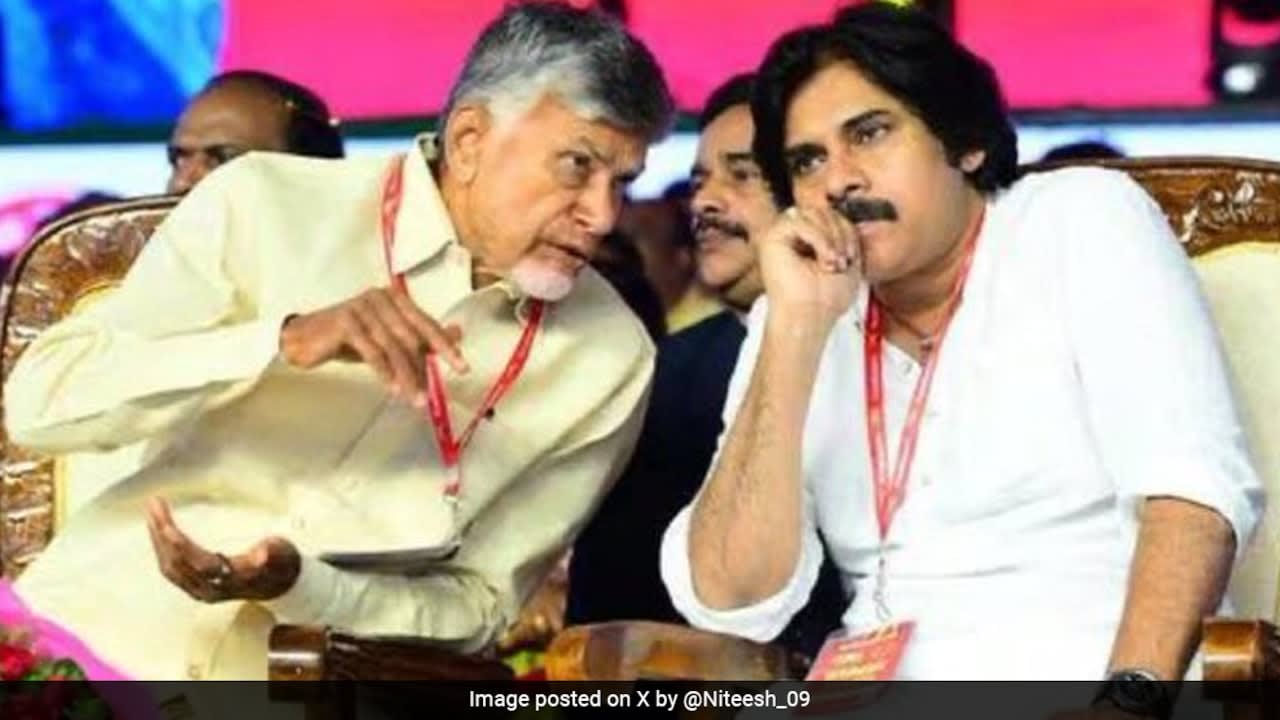
Andhra Pradesh CM Chandrababu Naidu is pushing for unanimous gram panchayat elections to foster development over political rivalry. The government has introduced an incentive scheme offering ₹15 lakh to ₹50 lakh for villages that elect leaders without opposition.
Promoting Consensus: Naidu’s Vision for Grassroots Governance
Andhra Pradesh Chief Minister N. Chandrababu Naidu has initiated a strategic push to encourage unanimous elections for the state’s gram panchayats. By urging leaders within the TDP-led coalition to prioritize village-level harmony, Naidu aims to shift the focus of local governance from intense political rivalry toward collaborative development. This initiative is designed to minimize the social friction often associated with competitive local elections, fostering an environment where community progress takes precedence over partisan agendas.
Financial Incentives as a Catalyst
To incentivize this transition, the state government has unveiled a robust financial reward program. Panchayats that successfully conduct unanimous elections will be eligible for grants ranging from ₹15 lakh to ₹50 lakh. This fiscal strategy serves as a direct investment in local infrastructure and public services, effectively rewarding communities that bypass the costs and conflicts of traditional campaigning. By tying financial support to consensus-building, the administration hopes to demonstrate that political unity yields tangible economic benefits for rural citizens.
Building on Electoral Momentum
This directive follows a period of significant political success for the coalition. During a recent teleconference, Naidu highlighted that the outcomes of recent municipal, ZPTC, and MPTC elections serve as a validation of his government’s performance over the past two-and-a-half years. He views this current wave of public confidence as a crucial foundation, urging his party leadership to translate this momentum into the upcoming panchayat polls to ensure stable and unified local administration.
Navigating Coalition Dynamics
While the push for unanimity is clear, the political landscape remains complex. Reports indicate potential tension regarding whether the TDP and its ally, the Jana Sena Party, will contest these local polls independently or as a unified bloc. The debate over alignment underscores the difficulty of managing coalition interests at the grassroots level, where local power dynamics often diverge from state-level strategic alliances.
Future Trends in Local Governance
Looking ahead, the success of this incentive-based model could set a significant precedent for rural governance in India. If the administration successfully converts the current mandate into a series of unanimous elections, it could reduce the polarization that frequently hampers local developmental projects. However, the long-term sustainability of this approach depends on whether the incentives are perceived as a genuine tool for development or as a mechanism for curbing healthy political competition. The coming months will be critical in determining how rural Andhra Pradesh responds to this call for consensus.
Multiple Citing Sources
Verification Required?