UP polls: SP names four-member panel ahead of seat-sharing talks with Cong from Monday
Source Entity
KARAN MANRAL
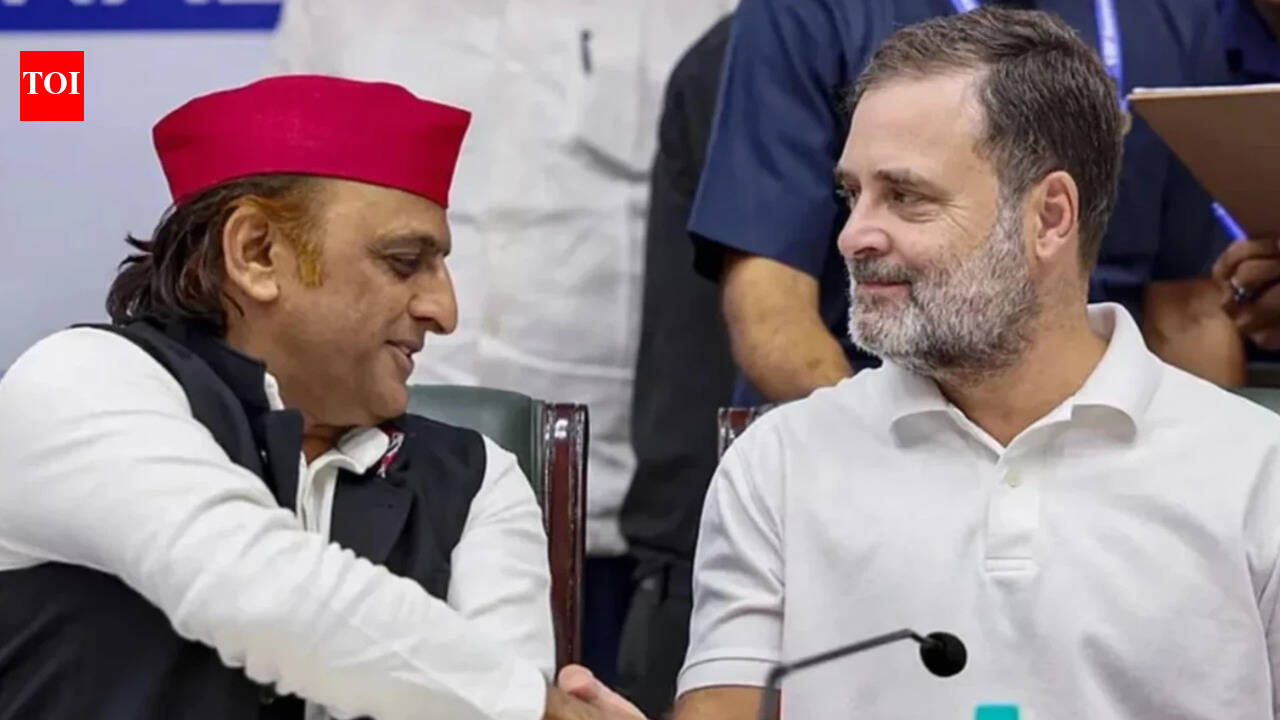
The Samajwadi Party and Congress are entering negotiations for Uttar Pradesh Assembly seat-sharing. Tensions have emerged as Congress seeks 181 seats, a demand the SP is scrutinizing based on historical electoral performance.
The Pre-Election Tug-of-War in Uttar Pradesh
As the political landscape in Uttar Pradesh shifts ahead of the upcoming Assembly elections, the alliance between the Samajwadi Party (SP) and the Congress is facing its first major hurdle: seat-sharing negotiations. The Samajwadi Party has officially announced a four-member panel tasked with representing the party in formal discussions, which are scheduled to commence in Delhi this coming Monday. This structural move signals a transition from informal posturing to substantive, high-stakes bargaining.
The Arithmetic of Ambition
The primary point of contention lies in the Congress party’s request for 181 seats, which accounts for approximately 45% of the total 403 Assembly constituencies. This ambitious demand has been met with significant resistance from the Samajwadi Party. The SP’s reluctance is rooted in a pragmatic assessment of electoral viability, as they are tasked with balancing the requirements of an alliance against the need to maximize their own winning potential in a state where every seat is hard-fought.
Analyzing the Electoral Record
To understand the friction between these two allies, one must look at the historical data. An analysis of the past six Assembly elections in Uttar Pradesh reveals a challenging trajectory for the Congress. On average, the party has contested 298 seats per election but has secured an average of only 19 wins, maintaining an average vote share of 7.69%. The Samajwadi Party is clearly using these metrics to justify its skepticism regarding the Congress's demand for nearly half the state's seats.
Challenges of Coalition Dynamics
The tension surrounding the 181-seat demand highlights the inherent difficulty of coalition politics in a large, diverse state like Uttar Pradesh. When an alliance is formed, the parties involved must reconcile their national-level strategic interests with the harsh realities of local ground-level performance. For the SP, conceding a large block of seats to a partner with a historically inconsistent strike rate presents a strategic risk that could alienate their own base or weaken their overall position in the Assembly.
The Path Forward
The meeting in Delhi on Monday will be a litmus test for the durability of the SP-Congress alliance. Both parties are aware that a fractured opposition or a public disagreement over seat distribution could provide an opening for their political rivals. Whether the four-member SP panel can negotiate a middle ground that satisfies the Congress while protecting their own electoral interests remains the central question of this pre-poll phase.
Conclusion
Ultimately, the ongoing seat-sharing dispute is a reflection of the intense electoral pressure inherent in Uttar Pradesh politics. While the Congress seeks to assert its presence through a significant share of the electoral map, the Samajwadi Party is prioritizing empirical evidence from past cycles to dictate their strategy. As negotiations begin, the outcome will likely hinge on whether both parties can prioritize long-term electoral goals over short-term seat allocation mandates.