Prashant Kishor claims BJP is gradually ‘swallowing up’ Nitish Kumar’s JDU in Bihar
Source Entity
Latest News: Todays Latest News Headlines from India & World | Hindustan Times
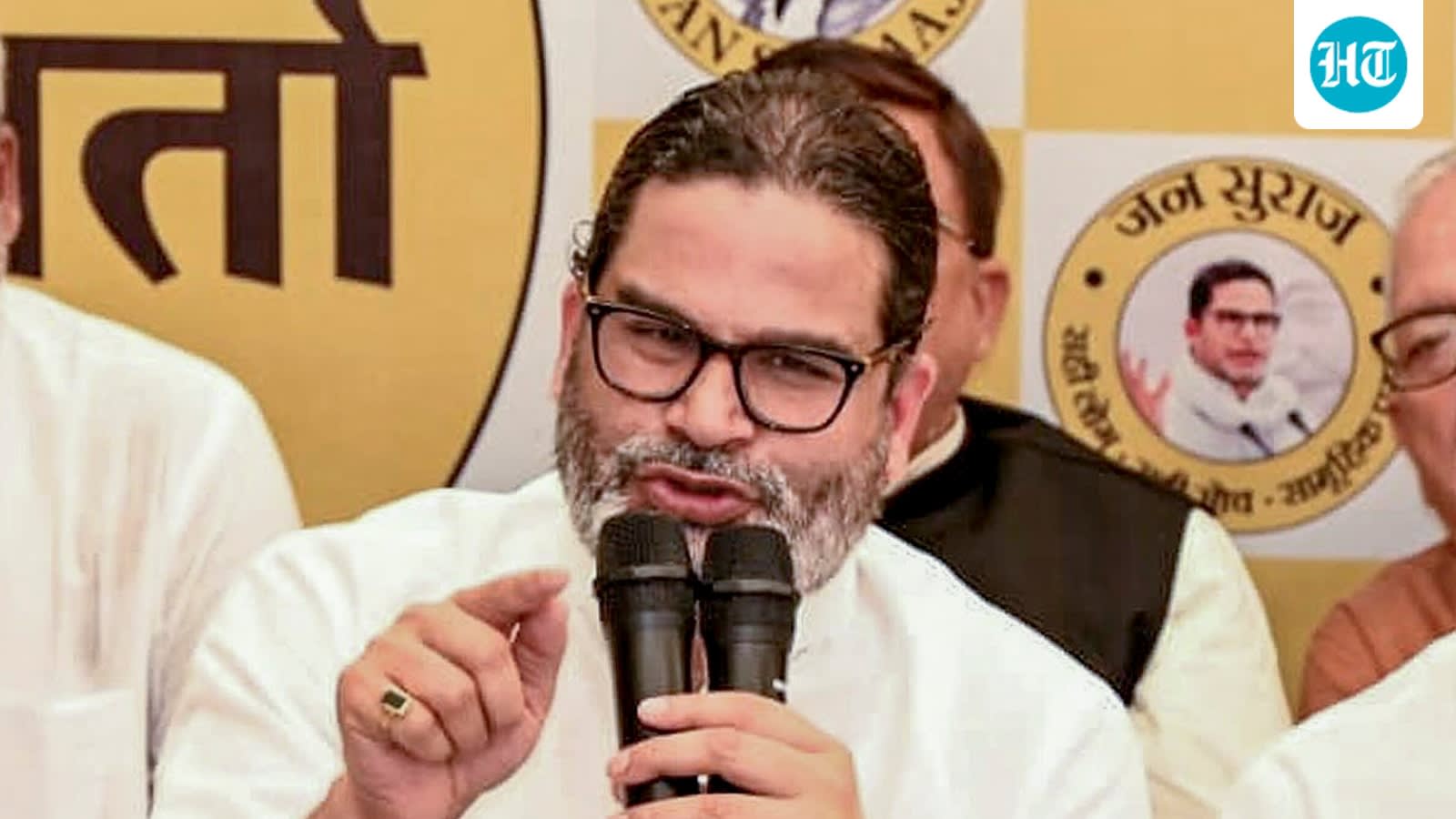
Prashant Kishor has claimed that the BJP is systematically absorbing Nitish Kumar's JD(U) in Bihar, leading to the party's gradual decline. This assertion highlights the shifting power dynamics within the state's political landscape.
The Shifting Sands of Bihar Politics: Analyzing the JD(U)-BJP Dynamics
The Strategic Absorption Theory
Prashant Kishor, the founder of Jan Suraaj, has ignited a fresh debate regarding the future of Nitish Kumar’s Janata Dal (United) (JD(U)) in Bihar. According to Kishor, the Bharatiya Janata Party (BJP) is engaged in a calculated process of 'swallowing' the JD(U), effectively rendering the party obsolete within the state’s political framework. This assertion suggests that the BJP, as the dominant national and state-level player, is slowly eroding the independent identity of its regional ally.
Contextualizing the Allegation
Kishor’s remarks were delivered in response to criticisms from Congress leader Randeep Surjewala, who argued that the BJP maintains a pattern of using political figures for their utility before discarding them. By weighing in on this discourse, Kishor is positioning himself as an objective observer of Bihar's intricate political maneuvering. He argues that one does not need external commentary from figures like Surjewala to recognize the internal decline of the JD(U), as the trend is visible to anyone tracking the state's recent electoral history.
The Erosion of Regional Autonomy
At the heart of this analysis is the concept of political 'swallowing,' where a larger national party gradually subsumes the support base and leadership of a smaller regional entity. For the JD(U), which has long relied on Nitish Kumar’s personal brand and governance record, this represents a structural existential threat. If the BJP is indeed absorbing the JD(U)’s political capital, the regional party faces the risk of becoming a mere satellite organization within a larger coalition, losing its leverage in seat-sharing and policy influence.
Implications for Nitish Kumar’s Legacy
Nitish Kumar has been the central figure in Bihar politics for nearly two decades, characterized by his ability to pivot between different political camps. However, Kishor’s warnings suggest that the current alliance dynamics may be fundamentally different from previous iterations. The 'finishing' of the party, as described by Kishor, implies that the very mechanisms that allowed Nitish Kumar to navigate previous alliances are now being utilized to dissolve his party's unique institutional influence.
The Future of Bihar’s Political Landscape
As Bihar heads toward future electoral cycles, the question of whether the JD(U) can maintain its relevance remains critical. If the BJP continues to expand its footprint at the expense of its regional allies, the state may see a consolidation of power that leaves little room for middle-ground regional forces. The observations made by Prashant Kishor serve as a barometer for the current anxiety surrounding the autonomy of regional parties in the face of a dominant national political machine.
Conclusive Summary
In summary, Prashant Kishor’s assessment highlights a significant shift in Bihar's political architecture. By framing the relationship between the BJP and JD(U) as an act of absorption rather than a mere partnership, Kishor challenges the long-term viability of the current coalition. Whether this leads to the complete erasure of the JD(U) or forces a strategic realignment, the current narrative underscores the volatility of regional politics in India’s evolving political landscape.
Verification Required?