The Death of the Entry Barrier
For decades, the most lucrative asset classes—prime commercial real estate in Singapore, industrial bonds in Germany, or vast gold reserves—were the exclusive playgrounds of institutional giants and the ultra-wealthy. Individual investors were left with the scraps: mutual funds with high fees or retail stocks that mirrored the broader market's volatility. This structural inequality is evaporating. Tokenization is not just a technological gimmick; it is a fundamental rewriting of ownership. By converting physical assets into blockchain-based digital tokens, we are seeing a shift toward a world where liquidity is no longer a luxury of the few but a tool for the many.
Why does this matter now? Because the traditional financial architecture is struggling to maintain its grip on value. When you tokenize a real-world asset (RWA), you are essentially slicing a high-value asset into digitally manageable fractions. This improves accessibility and liquidity, allowing an investor in Nairobi to own a fraction of a warehouse in Rotterdam or a piece of a sovereign bond issue. This is the essence of the Fractional Wealth Blueprint: leveraging these digital representations to build a portfolio that is globally diversified and structurally resilient against localized economic shocks.
Prerequisites: The Digital Toolkit
Before deploying capital into tokenized assets, you must establish a secure operational foundation. You cannot approach RWA investing with the same mindset as a traditional brokerage account. The responsibility of custody shifts from the institution to the individual. If you lose your access keys, you lose your ownership of the underlying asset. This shift requires a disciplined approach to security and a basic understanding of how smart contracts execute the rights of ownership without a middleman.
- Non-Custodial Wallet: A secure gateway to hold your tokens, preferably with hardware-based cold storage for long-term holdings.
- KYC/AML Verification: Most reputable RWA platforms require identity verification to comply with global financial regulations.
- Stablecoin Liquidity: A reserve of USD-pegged or EUR-pegged tokens to facilitate rapid acquisition of fractional assets.
- Risk Capital: Only deploy funds that you can afford to hold through market cycles, as digital asset markets can be volatile.
A Warning on Custody
Security is the non-negotiable pillar of digital investment. As the Blockchain Council emphasizes, every investment involves risk, and the digital nature of RWAs introduces specific custodial vulnerabilities that traditional real estate or gold holdings do not possess.
The Strategic Framework: The Permanent Portfolio
Diversification is often misunderstood as simply owning many things. True diversification is owning assets that react differently to the same economic trigger. To implement the Fractional Wealth Blueprint, I recommend the Permanent Portfolio strategy. This approach, utilized by practitioners like Miguel Marquez to achieve Lean Financial Independence, divides investments equally across four distinct asset classes. The goal is not to beat the market in a bull run, but to limit the devastating swings that wipe out retail investors during systemic crashes.
| Asset Class | Allocation | Economic Role | Tokenized Example |
|---|---|---|---|
| Stocks | 25% | Growth during prosperity | Tokenized Equity/Digital Shares |
| Bonds | 25% | Stability during deflation | Tokenized T-Bills or Corporate Bonds |
| Gold/Hard Assets | 25% | Hedge against inflation | Tokenized Gold (PAXG/XAUT) |
| Cash | 25% | Liquidity for opportunities | Regulated Stablecoins |
Why hold 25% in cash? It feels conservative, perhaps even wasteful, in a high-growth environment. However, cash is your strategic ammunition. When the market pivots—as it did during the Bitcoin price shifts seen in 2026—cash allows you to rebalance into undervalued assets without selling your winners. By maintaining this equilibrium, you ensure that no single market collapse can jeopardize your total net worth.
Identifying High-Value Tokenized Assets
Not all tokens are created equal. The value of an RWA token is derived entirely from the underlying physical asset. If you are tokenizing real estate, you must analyze the location, the rental yield, and the legal structure of the Special Purpose Vehicle (SPV) that holds the deed. Tokenization provides the accessibility, but the fundamental economics of the asset still dictate the return. A tokenized slum is still a slum; a tokenized trophy asset in Tokyo remains a trophy asset.
"Real-world asset (RWA) tokenization converts physical assets such as real estate, commodities, or financial instruments into blockchain-based digital tokens, improving accessibility and liquidity."— Blockchain Council
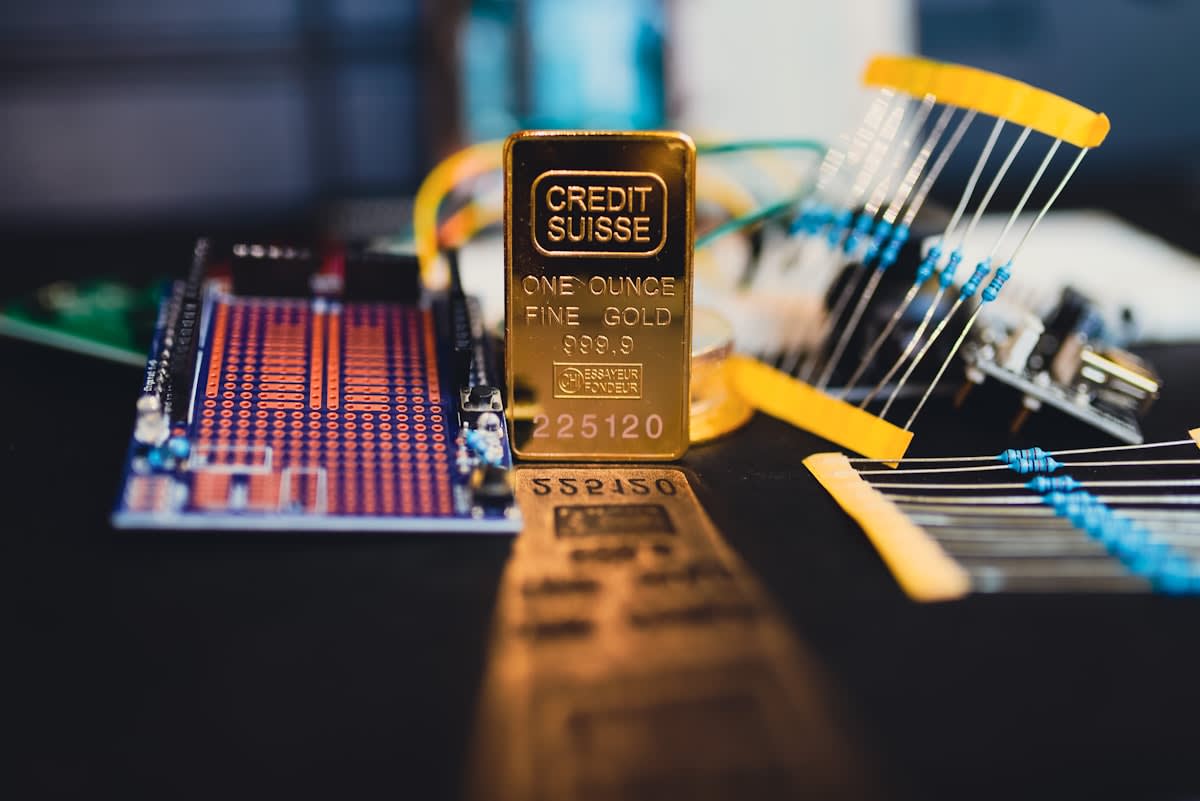
Consider the current secular shift toward hard assets. Analysis from Kitco suggests we are in the early innings of a secular bull market for gold and hard assets, potentially triggered by bear markets in both stocks and bonds. In this environment, tokenized gold becomes a critical component. Unlike physical gold, which requires secure vaults and expensive transport, tokenized gold allows you to hedge against currency devaluation while maintaining the ability to trade your position in seconds.
Execution: Building Your Portfolio Step-by-Step
- Establish Your Baseline: Determine your total investable capital and divide it into the 25% quadrants of the Permanent Portfolio.
- Acquire Your Hard Asset Hedge: Purchase tokenized gold or commodities. This locks in your protection against inflation before you move into riskier equities.
- Layer in Tokenized Yield: Identify tokenized bonds or real estate instruments that provide a steady cash flow. Focus on assets with proven underlying valuations.
- Integrate Digital Capital: Allocate your equity portion. This can include traditional stocks or digital equity strategies. For example, observing Strategy Inc's approach, one might look for entities achieving a BTC yield (4.5% YTD in 2026) to blend corporate treasury strength with digital asset growth.
- Implement a Quarterly Rebalance: Every 90 days, sell a portion of the overperforming asset and buy the underperforming one to return to the 25% split.
The integration of digital capital is where the blueprint becomes aggressive. Look at the data from Strategy Inc as of July 2026. Despite experiencing an unrealized loss of $8.32 billion in the second quarter, the company maintained a BTC yield of 4.5% year-to-date and executed a monetization program totaling $218.4 million in sales. This demonstrates a sophisticated interplay between holding a volatile asset like Bitcoin (priced at $64,915 as of July 27, 2026) and generating yield from it. For the individual investor, this means your equity slice should not just be static ownership, but a search for yield-bearing digital assets.
Common Pitfalls to Avoid
- The Liquidity Illusion: Just because an asset is tokenized doesn't mean there is always a buyer. Always check the trading volume of the token, not just the value of the asset.
- Ignoring the Legal Wrapper: A token is only as good as the legal contract behind it. Ensure the token grants actual legal claim to the underlying asset in a recognized jurisdiction.
- Over-Concentration in One Issuer: Avoid buying multiple different tokenized assets from the same platform. If the platform fails, your diversification is an illusion.
- Chasing Yield without Analysis: High yields in tokenized bonds often signal high risk. If the yield is significantly above market average, ask who is taking the other side of the bet.
Building wealth through fractional assets is not about finding a magic token that goes to the moon. It is about the disciplined application of a global strategy. By blending the stability of the Permanent Portfolio with the efficiency of blockchain tokenization, you stop being a passenger in the global economy and start becoming an architect of your own financial resilience. The tools are now available; the only remaining variable is your willingness to abandon obsolete investing habits.