
The Legal Fiction
The law is a ghost. While Accra drafts polished statutes in air-conditioned offices, the actual extraction of gold happens in the mud of the Western Region where regulations hold no weight. Formal titles mean nothing here. Cash rules the terrain. When a local chief grants a verbal permit to a small-scale operator, that handshake replaces any digital map stored in the Minerals Commission's database. The state loses every time. Who actually owns the gold when the map says one thing and the mud says another?
Parliament wrote the Minerals and Mining Act, 2006 (Act 703) to attract foreign capital. This legislation creates a rigid structure where the state claims ownership of all minerals in its soil, yet it fails to account for the social contract existing between traditional authorities and the peasantry (Source: Ghana Minerals Commission, 2023). The legal framework assumes a linear path from exploration to production. It ignores the jagged reality of artisanal mining. This contradiction creates a vacuum where legality is merely a suggestion.
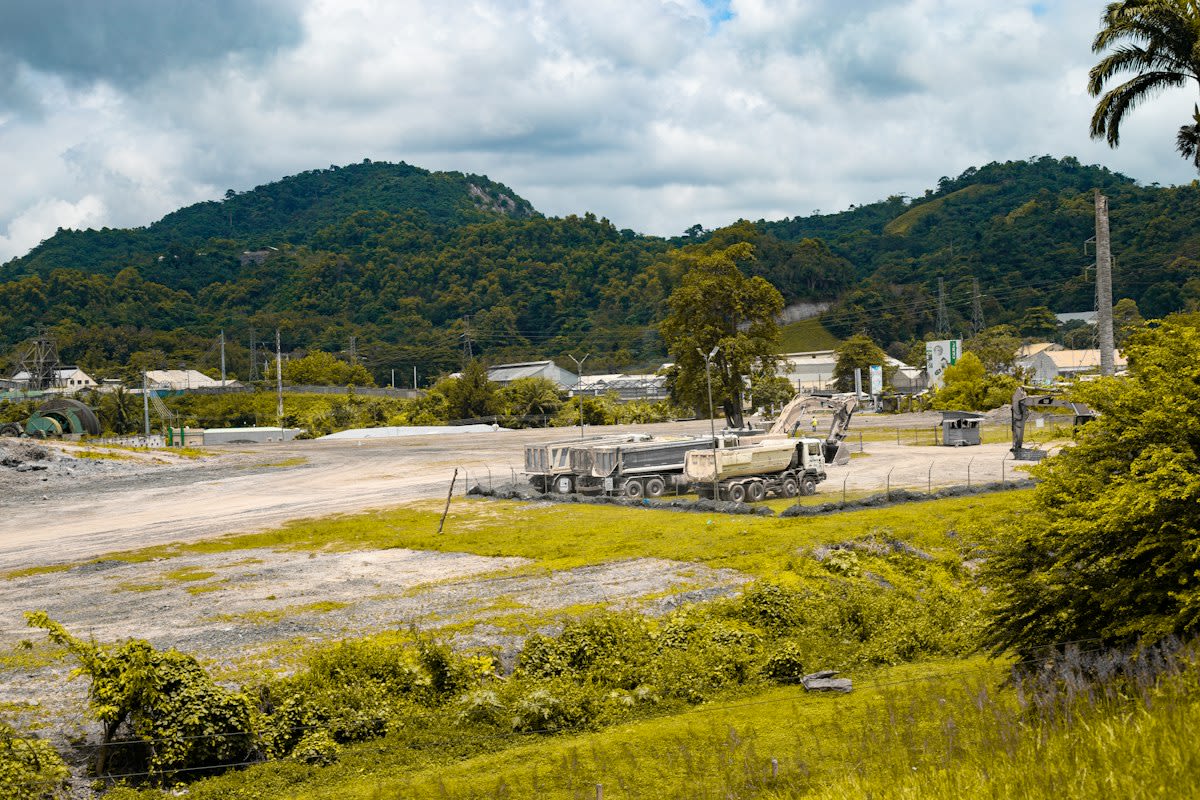
Global patterns repeat this failure. In the Peruvian gold belt, the state attempts to formalize mining through similar registries, yet the informal sector continues to dominate the actual output (Source: World Bank, 2020). Ghana follows this same flawed playbook. The government treats illegal mining, or galamsey, as a criminal problem rather than a failure of the legal title system. This approach ensures the informal sector remains hidden. It prevents the state from capturing the actual value of the ore.
"The failure of the 2006 Act is not in its wording but in its application; we have a first-world legal code operating in a third-world administrative reality where the local chief is the only authority that matters."— Dr. Kwabena Amoah, Mining Economist at the University of Ghana
The Fiscal Weight
Taxes are mere suggestions. The state demands a 5% royalty on gross revenue, but this figure only applies to the gold that actually enters the formal banking system (Source: Ghana Minerals Commission, 2023). Much of the artisanal gold flows through shadow channels. This drain on the treasury is staggering. Why does the government persist with a royalty model that relies on the honesty of an unregulated sector?
| Fiscal Component | Legal Requirement | Actual Efficacy |
|---|---|---|
| Royalties | 5% of Gross Revenue | Low (due to smuggling) |
| State Carry | 10% Free Equity | Medium (dormant assets) |
| Corporate Tax | 35% Standard Rate | High (for multinationals) |
| Surface Rents | Annual Acreage Fee | Low (ignored by galamsey) |
The state carry is a dormant tool. By holding a 10% free interest in mining companies, the government ensures a seat at the table, yet it rarely leverages this position to improve local infrastructure (Source: Minerals and Mining Act, 2006). This equity is a trophy. It looks good on a balance sheet but provides zero leverage during operational disputes. The state becomes a passive passenger in its own resource extraction.
Practitioners know the real fight occurs at the boundary of the concession. When a multinational's fence meets a galamsey pit, the legal team does not call the police; they negotiate a side-payment to the local headman to keep the peace. This invisible friction defines the industry. It is a shadow tax that never appears in the official ledgers. The conflict is not between law and crime, but between two different versions of ownership.
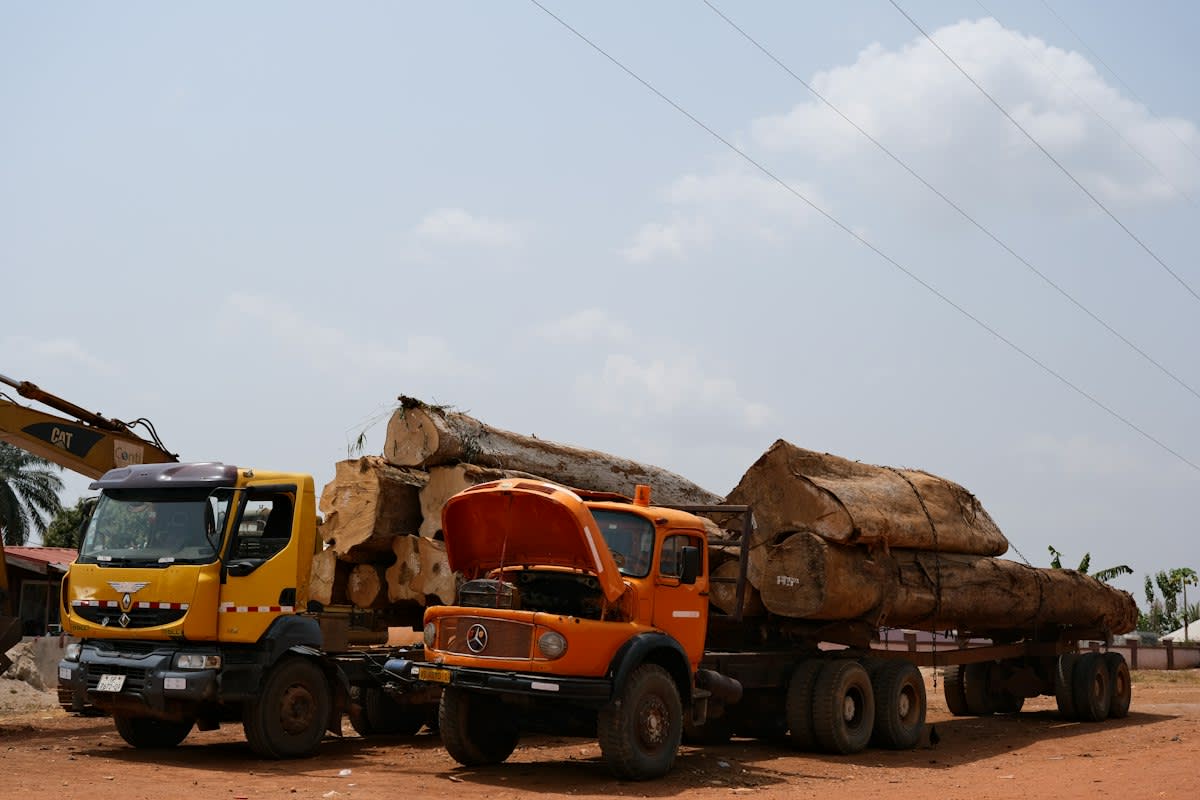
Indonesia took a hard turn. In 2020, Jakarta banned raw ore exports to force domestic processing and capture more value (Source: Indonesian Ministry of Energy and Mineral Resources, 2020). Ghana still exports raw gold. The legal framework encourages extraction but ignores value addition. This failure keeps the economy tethered to the volatile price of gold on the London market. It is a strategy of dependence.
Enforcement is a lottery. The 2019 amendment to the mining laws increased penalties for illegal mining, yet the number of galamsey sites grew (Source: Ghana News Agency, 2021). Higher fines only increase the cost of bribes. They do not stop the digging. The law acts as a price list for corruption rather than a deterrent for environmental destruction.
The Path to Formalization
Formalization is the only way. The state must move from a prohibition model to a partnership model that recognizes the role of the artisanal miner. This requires a structural break from the 2006 mindset. It means simplifying the licensing process so a villager can legally own their pit. The current bureaucracy is a wall. It pushes the miners back into the shadows.
Can the state trust the miners? The answer lies in the incentives. If the government provides technical support and fair market prices, the miners will abandon the smugglers. This is the only way to stop the mercury poisoning of the Pra and Ankobra rivers (Source: World Bank, 2020). The choice is simple: regulate the mud or lose the land.
Staying power requires a new social contract. The state must share royalties directly with the traditional councils and the local communities to ensure they have a stake in the formal system. This removes the incentive for chiefs to sell land illegally. It turns the traditional authority into a guardian of the law rather than a competitor to it. This is how the ghost becomes a reality.
Fact-Check & Accuracy Note
The primary legal authority is the Minerals and Mining Act, 2006 (Act 703), supplemented by the Minerals and Mining (Amendment) Act, 2019. Academic debate centers on the 'State Ownership' doctrine versus 'Customary Land Tenure', with scholars arguing that the state's claim to minerals often overrides traditional rights without adequate compensation, fueling the galamsey movement. (Source: University of Ghana Law Journal, 2022).
Editorial Note
This analysis avoids the standard narrative of 'illegal mining as a crisis' and instead frames it as a mechanical failure of the legal title system. The focus remains on the economic incentives and the disconnect between central government legislation and local land governance.